Viola Cornuta True Blue Leggy Stems
eco Leggy Stems

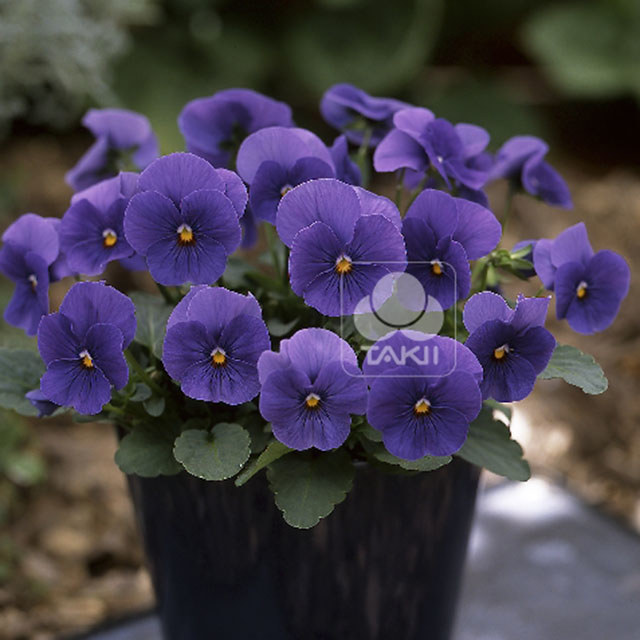
Viola Cornuta True Blue – Leggy Stems

Why does your Viola Cornuta True Blue have leggy stems? Diagnose the cause and fix it with our step-by-step guide.

pets Pet Friendly

search Possible Causes

error

Insufficient Light Intensity

Violas require significant sunlight to maintain a compact, mounded growth habit; low light levels trigger etiolation, causing stems to stretch toward the nearest light source.

Very Common
lightbulb
How to confirm: Observe if the plants are positioned in a shaded area or if there has been recent cloud cover/shorter days.
build How to fix it
shopping_cart Recommended Products
1 Move your Viola to a location that receives at least 6 hours of direct sunlight or bright, filtered light to prevent further stretching.
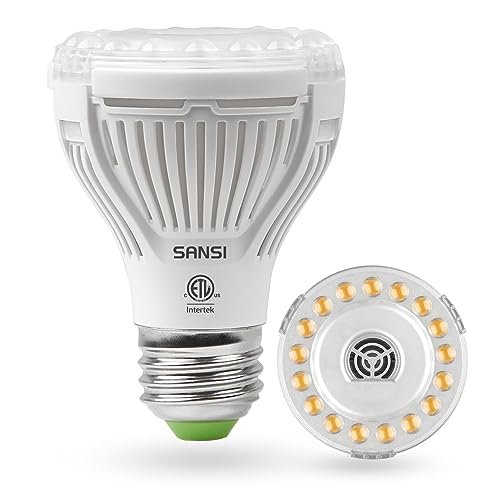
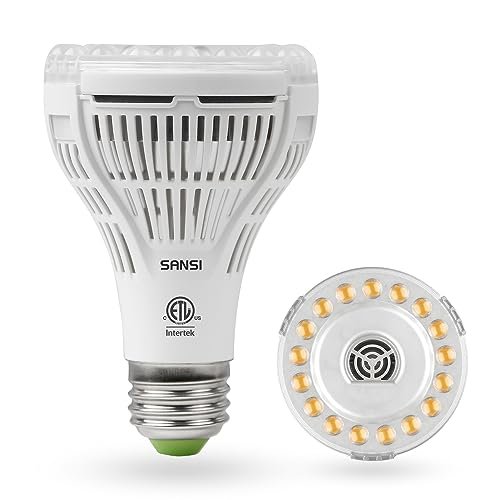
2 Supplement with a full-spectrum grow light to provide the necessary intensity for a compact growth habit.
3 Prune the elongated, leggy stems using sharp shears to encourage new, bushier growth from the base.
warning

Excessive Nitrogen Fertilization

A high nitrogen-to-potassium ratio promotes rapid, succulent vegetative growth, which lacks the structural lignin necessary to support the weight of 'True Blue' blooms.

Common
lightbulb
How to confirm: Review your recent fertilizer application to see if it was a high-nitrogen formula like blood meal or urea.
build How to fix it
shopping_cart Recommended Products
1 Flush the soil with plain, room-temperature water to leach out excess nitrogen salts from the root zone.
2 Transition to a balanced or lower-nitrogen fertilizer to encourage structural strength and bloom development.
3 Increase light exposure using a full-spectrum grow light to help the plant strengthen its stems through photosynthesis.
warning

High Planting Density

If 'True Blue' violets are planted too closely together, they will compete for light and space, resulting in elongated stems as they attempt to outgrow their neighbors.

Common
lightbulb
How to confirm: Count the number of individual plants in a 6-inch diameter area to check for overcrowding.
build How to fix it
shopping_cart Recommended Products
1 Thin out the plants by removing the weakest individuals to reduce competition for light and nutrients.
2 Repot the remaining violets into a larger container or more spacious area to allow for proper expansion.
3 Increase light exposure using a full-spectrum grow light to prevent further stem elongation.
warning

Temperature Fluctuations

Unusually warm night temperatures can accelerate metabolic rates and stem elongation, disrupting the typical compact growth cycle of pansy/viola varieties.

Common
lightbulb
How to confirm: Check local weather records for recent unseasonable heat waves or lack of cool night periods.
build How to fix it
shopping_cart Recommended Products
1 Stabilize the environment by moving the plant to a location with more consistent temperatures, avoiding areas prone to sudden warm night shifts.
2 Supplement insufficient light levels with a full-spectrum grow light to encourage more compact, sturdy stem growth.
3 Apply a balanced liquid fertilizer to support healthy plant structure and mitigate metabolic stress.

Other Viola Cornuta True Blue problems

Your plant might also be experiencing one of these issues:

local_hospital All symptoms eco All plants with leggy stems
favorite