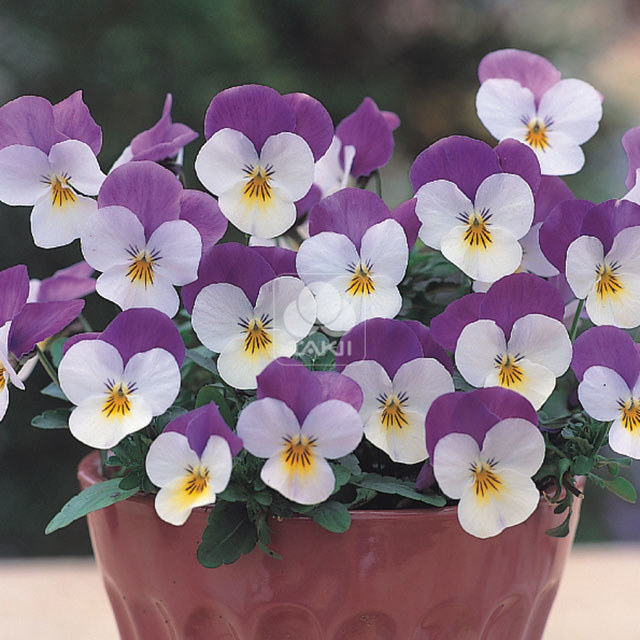
Viola cornuta White Purple Wing Leggy Stems
eco Leggy Stems

Viola cornuta White Purple Wing – Leggy Stems

Why does your Viola cornuta White Purple Wing have leggy stems? Diagnose the cause and fix it with our step-by-step guide.

pets Pet Friendly

search Possible Causes

error

Insufficient Light Intensity

Violas require bright, indirect light or partial sun to maintain compact growth; low light levels trigger etiolation, where stems stretch rapidly to reach a light source.

Very Common
lightbulb
How to confirm: Observe if the internodes (space between leaves) are unusually long and if the plant is leaning toward a window.
build How to fix it
shopping_cart Recommended Products
1 Move your Viola to a location with much brighter, indirect light or a spot that receives several hours of direct morning sun to prevent further stretching.
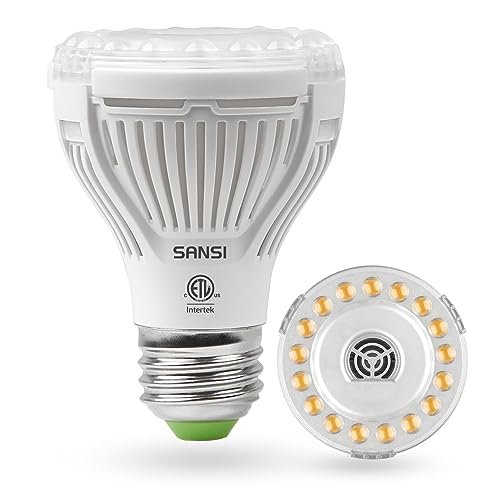
2 Supplement with a full-spectrum grow light to provide the necessary intensity for compact growth, especially if natural light is limited.
3 Prune the elongated, leggy stems using sharp shears to encourage the plant to branch out and maintain a bushy habit.
warning

Excessive Nitrogen Fertilization

High levels of nitrogen promote rapid, succulent vegetative growth at the expense of structural strength, leading to weak, spindly stems in pansy and viola varieties.

Common
lightbulb
How to confirm: Check if you have recently used a fertilizer with a significantly high first number (N) in the N-P-K ratio.
build How to fix it
shopping_cart Recommended Products
1 Stop all nitrogen-rich fertilization immediately to allow the plant to stabilize and prevent further rapid, weak growth.
2 Flush the soil with plenty of fresh water to leach out excess nitrogen salts from the root zone.
3 Provide supplemental light to encourage sturdier, more compact stem development and prevent further stretching.
warning

Overwatering and Poor Drainage

Excessive moisture in the substrate can lead to soft, weak tissue development as the plant's root system struggles with aeration, causing stems to lose turgidity and appear floppy.

Common
lightbulb
How to confirm: Touch the soil surface to see if it remains saturated long after a watering session.
build How to fix it
shopping_cart Recommended Products
1 Immediately reduce watering frequency and allow the top inch of soil to dry out completely before watering again to prevent further root rot.
2 Repot the plant in a well-draining substrate and ensure the container has adequate drainage holes to prevent water from pooling at the roots.
3 Prune away any mushy or dead stems to encourage new, stronger growth and improve airflow around the base of the plant.
warning

High Ambient Temperature

Viola cornuta prefers cooler climates; excessive heat can accelerate metabolic rates and lead to rapid, weak growth patterns before the plant enters dormancy or senescence.

Common
lightbulb
How to confirm: Monitor if the legginess coincides with a recent heatwave or high nighttime temperatures.
build How to fix it
shopping_cart Recommended Products
1 Move the plant to a cooler, shaded location or use a grow light to supplement light intensity, which helps prevent stretching in high heat.
2 Monitor soil moisture closely to ensure the plant does not dry out during heat spikes, as heat-induced stress can exacerbate leggy growth.
3 Apply a balanced liquid fertilizer to support stronger, more robust stem development during the heat-stressed growth phase.

Other Viola cornuta White Purple Wing problems

Your plant might also be experiencing one of these issues:

local_hospital All symptoms eco All plants with leggy stems
favorite