Watermelon Amphion F1 Fine Webbing
eco Fine Webbing

Watermelon Amphion F1 – Fine Webbing

Why does your Watermelon Amphion F1 have fine webbing? Diagnose the cause and fix it with our step-by-step guide.

pets Pet Friendly

search Possible Causes

error

Two-Spotted Spider Mites (Tetranychus urticae)

These microscopic arachnids thrive in hot, dry conditions common during watermelon growth. They pierce the leaf cells to suck out nutrients, leaving behind fine silk webbing and characteristic stippling (small yellow dots) on the underside of the leaves.

Very Common
lightbulb
How to confirm: Hold a white piece of paper underneath a leaf and tap it sharply to see if tiny moving specks fall onto the paper.
build How to fix it
shopping_cart Recommended Products
1 Immediately apply an organic miticide to eliminate the spider mite population and destroy eggs, larvae, and adults.
2 Increase humidity around the plant and ensure the soil remains consistently moist, as spider mites thrive in hot, dry environments.
3 Inspect the undersides of all leaves and wipe them down with a damp cloth to physically remove webbing and mites.
warning

Tetranychid Mite Infestation (General)

A high population density of various mite species can create a dense, silken network across the watermelon vines. This webbing acts as a protective microclimate for the mites but interferes with the plant's photosynthesis and transpiration.

Common
lightbulb
How to confirm: Look for a heavy accumulation of webbing near the growing tips or leaf axils of the Amphiion vine.
build How to fix it
shopping_cart Recommended Products
1 Apply an organic miticide or insecticide spray to the undersides of leaves to eliminate the mite population and destroy the silken webbing.
2 Prune and carefully dispose of heavily infested watermelon vines to prevent the mites from spreading to healthy parts of the plant.
3 Increase humidity around the plant and ensure consistent watering, as spider mites thrive in hot, dry conditions.
warning

High Humidity/Microclimate Mold (Secondary)

While not a direct cause of webbing, extremely high humidity in dense watermelon canopies can sometimes trap fungal hyphae that appear as fine, thread-like structures. This is less likely to be 'silk' and more likely to be the early stages of a fungal web.

Common
lightbulb
How to confirm: Inspect if the 'webbing' is accompanied by fuzzy, cottony growth or dark lesions on the watermelon fruit or leaves.
build How to fix it
shopping_cart Recommended Products
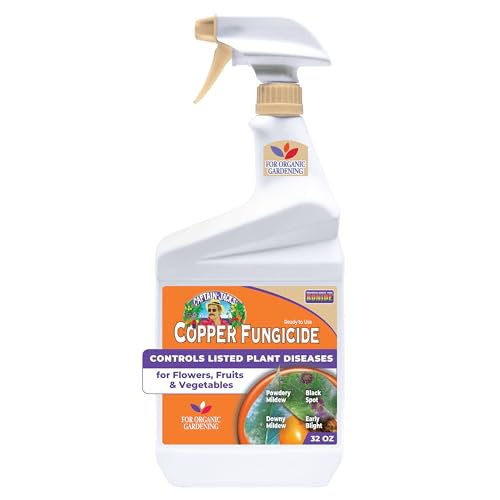
1 Apply an organic fungicide to eliminate fungal hyphae and prevent the spread of mold within the dense canopy.
2 Improve airflow around the watermelon vines by pruning excess foliage and ensuring the microclimate is less stagnant.
3 Monitor soil moisture levels to ensure high humidity isn't being driven by overwatering.

Other Watermelon Amphion F1 problems

Your plant might also be experiencing one of these issues:

local_hospital All symptoms eco All plants with fine webbing
favorite