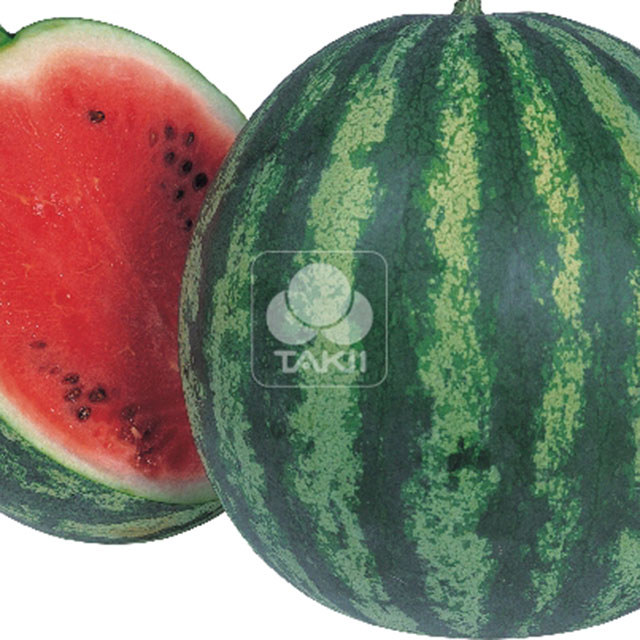
Watermelon Carmen F1 Fine Webbing
eco Fine Webbing

Watermelon Carmen F1 – Fine Webbing

Why does your Watermelon Carmen F1 have fine webbing? Diagnose the cause and fix it with our step-by-step guide.

search Possible Causes

error

Two-Spotted Spider Mite Infestation

These tiny arachnids pierce the plant cells of Watermelon Carmen F1 to suck out nutrients, leaving behind characteristic fine silk webbing and stippled yellow spots on the leaves. They thrive in hot, dry conditions common during watermelon cultivation.

Very Common
lightbulb
How to confirm: Hold a white piece of paper underneath a leaf and tap it to see if tiny crawling dots fall onto the paper.
build How to fix it
shopping_cart Recommended Products
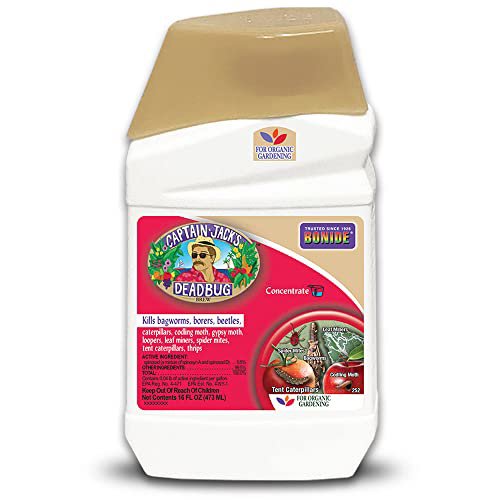
1 Apply an organic insecticide to eliminate the spider mites and their eggs; Bonide Captain Jack's Neem Oil is highly effective for this purpose.
2 Increase humidity around the plant and ensure consistent soil moisture to create an environment less favorable for mite reproduction.
3 Prune and dispose of heavily infested or dead leaves to prevent the mites from spreading further throughout the watermelon vine.
error

Tetranychus urticae (Tetranychid Mite) Colony

A high density of spider mites leads to dense webbing that can eventually cover entire leaf clusters and even fruit, hindering photosynthesis in the Carmen F1 hybrid.

Very Common
lightbulb
How to confirm: Inspect the undersides of the leaves for small, pale yellow dots (stippling) beneath the web structure.
build How to fix it
shopping_cart Recommended Products
1 Apply an organic miticide or insecticide spray to the entire plant, ensuring you coat the undersides of leaves where mites congregate.
2 Increase humidity around the plant and ensure adequate airflow to make the environment less hospitable for spider mite colonies.
3 Physically remove heavy webbing and large mite clusters by gently wiping leaves with a damp cloth or using a strong stream of water.
warning

Thrips Damage

While thrips are more known for silvery scarring, their presence can sometimes be associated with fine silken threads or debris in much high-density infestations on tender watermelon shoots.

Common
lightbulb
How to confirm: Look for small, dark fecal specks (frass) on the leaves alongside the webbing.
build How to fix it
shopping_cart Recommended Products
1 Apply an organic insecticide to eliminate existing thrips larvae and adults, and to prevent further damage to tender shoots.
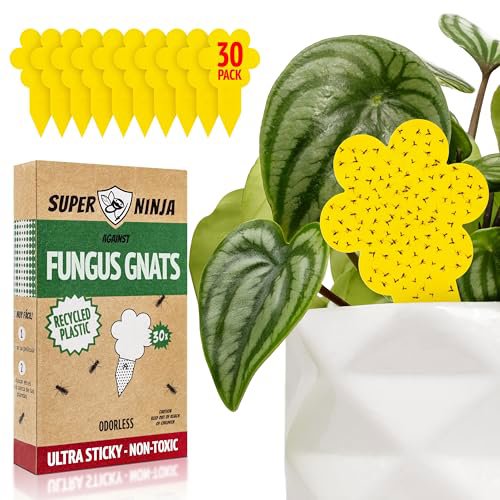
2 Use yellow sticky traps to monitor and capture adult thrips flying near the watermelon plants.
3 Inspect the undersides of leaves and flower buds regularly for any signs of new silken debris or silver scarring.

Other Watermelon Carmen F1 problems

Your plant might also be experiencing one of these issues:

local_hospital All symptoms eco All plants with fine webbing
favorite