Watermelon Ingrid F1 Drooping Leaves
eco Drooping Leaves

Watermelon Ingrid F1 – Drooping Leaves

Why does your Watermelon Ingrid F1 have drooping leaves? Diagnose the cause and fix it with our step-by-step guide.

search Possible Causes

error

Water Stress (Drought or Overwatering)

Watermelons have high water content and require consistent soil moisture to maintain turgor pressure. Both dry soil and waterlogged roots can cause the vine to lose structural integrity, leading to wilting.

Very Common
lightbulb
How to confirm: Stick your finger two inches into the soil; if it is bone dry or extremely muddy, irrigation needs adjustment.
build How to fix it
shopping_cart Recommended Products
1 Check the soil moisture level at the root zone using a moisture meter to determine if the plant is suffering from drought or overwatering.
2 If the soil is bone dry, apply a deep, consistent watering to the base of the plant; if the soil is waterlogged, ensure the pot has proper drainage or aerate the soil to prevent root rot.
3 Ensure the plant is in a well-draining container or garden bed to prevent future waterlogging, and use a saucer to catch excess moisture if indoors.
error

Fusarium Wilt (Fusarium oxysporum f. sp. niveum)

This fungal pathogen invades the vascular system of the watermelon plant, physically blocking the transport of water and nutrients. This results in progressive drooping, often starting on one side of a leaf or an entire vine section.

Very Common
lightbulb
How to confirm: Cut a small piece of the stem near the base; if you see internal reddish-brown discoloration, it is likely Fusarium wilt.
build How to fix it
shopping_cart Recommended Products
1 Immediately remove and destroy all infected plant material and surrounding debris to prevent the fungal spores from spreading to healthy plants.
2 Sterilize all gardening tools, such as pruning shears, with alcohol after every use to avoid cross-contamination of the pathogen.
3 Improve soil drainage and aeration by incorporating perlite or coarse sand into the planting area to reduce the moisture levels that favor fungal growth.
warning

Root Rot (Pythium or Phytophthora species)

Excessive moisture at the root zone promotes soil-borne oomycetes that decay the root system. As the roots die, they can no longer absorb water, causing the foliage to droop despite wet soil.

Common
lightbulb
How to confirm: Gently lift a portion of the vine to inspect the roots; healthy watermelon roots should be firm and white/light tan, not dark and slimy.
build How to fix it
shopping_cart Recommended Products
1 Immediately reduce watering frequency and ensure the soil is not waterlogged to stop the spread of the pathogen.
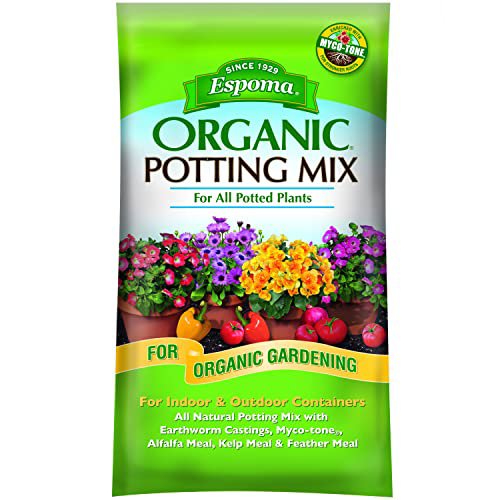
2 Repot the plant into a fresh, well-draining medium enriched with perlite to improve aeration and prevent future moisture buildup.
3 Apply a microbial inoculant to the root zone to help restore beneficial soil life and combat the root rot pathogens.
warning

Squash Bug Infestation (Anasa tristis)

These pests pierce the leaves and stems of watermelon plants to suck out fluids. Large populations can deplete the plant's hydraulic pressure, causing visible wilting and leaf yellowing.

Common
lightbulb
How to confirm: Inspect the undersides of leaves and the junctions of the vine for small, bronze-colored insects or clusters of copper-colored eggs.
build How to fix it
shopping_cart Recommended Products
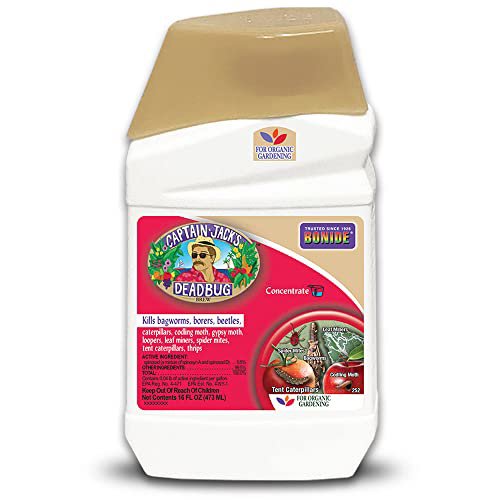
1 Apply an organic insecticide to eliminate the squash bug population and prevent further fluid depletion from the plant stems.
2 Inspect the undersides of leaves for bronze-colored eggs and remove them manually to disrupt the pest life cycle.
3 Ensure the plant has consistent moisture to restore hydraulic pressure, using a moisture meter to avoid overwatering.

Other Watermelon Ingrid F1 problems

Your plant might also be experiencing one of these issues:

local_hospital All symptoms eco All plants with drooping leaves
favorite