Weigela florida Leggy Stems
eco Leggy Stems

Weigela florida – Leggy Stems

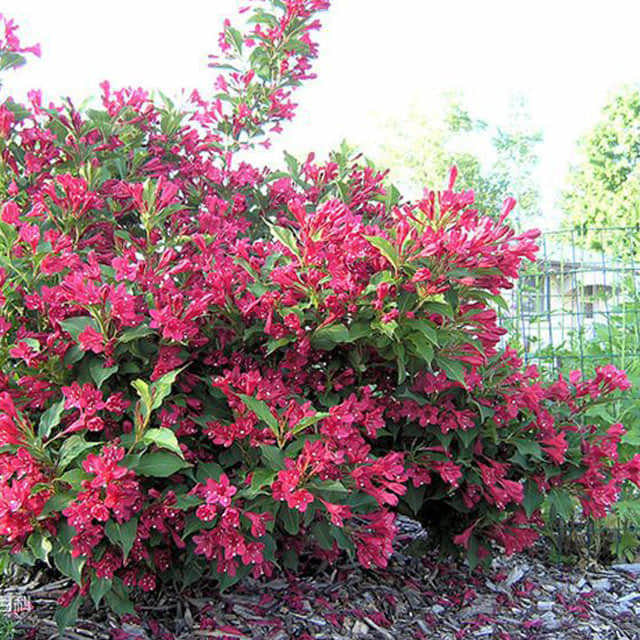
Why does your Weigela florida have leggy stems? Diagnose the cause and fix it with our step-by-step guide.

search Possible Causes

error

Insufficient Sunlight

Weigela florida requires full sun to maintain a compact, bushy habit. When planted in too much shade, the plant undergoes etiolation, stretching its stems toward light sources.

Very Common
lightbulb
How to confirm: Observe if the stems are leaning heavily toward a specific direction or if leaf density is significantly lower on one side of the shrub.
build How to fix it
shopping_cart Recommended Products
1 Relocate your Weigela to a location that receives at least 6 to 8 hours of direct sunlight daily to prevent further stretching.
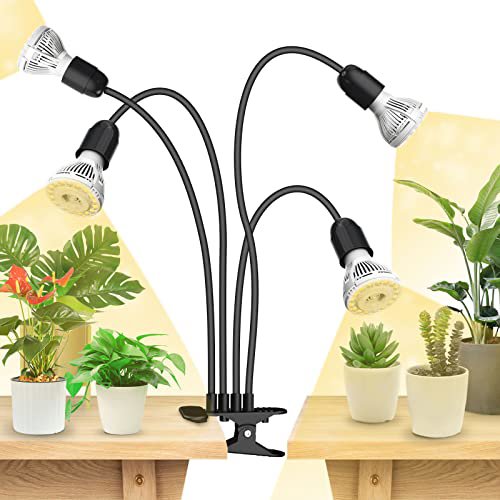
2 Supplement with a full-spectrum grow light if natural sunlight cannot be increased, ensuring the light is positioned close to the foliage.
3 Prune back the elongated, leggy stems to encourage new, bushier growth from the base of the plant.
error

Excessive Nitrogen Fertilization

High levels of nitrogen promote rapid, succulent vegetative growth. This often results in long, weak stems that lack the structural integrity to support themselves.

Very Common
lightbulb
How to confirm: Check if you have recently applied a high-nitrogen fertilizer or if the new growth looks exceptionally bright green and soft compared to older wood.
build How to fix it
shopping_cart Recommended Products
1 Stop all nitrogen-rich fertilization immediately to prevent further rapid, weak growth.
2 Prune back the elongated, leggy stems to a more compact structure, which encourages bushier growth and better structural integrity.
3 Flush the soil with plain, water to help leach out excess nitrogen salts from the root zone.
warning

Lack of Pruning

Without regular deadheading and structural pruning, Weigela can accumulate old, woody growth that lacks lateral branching, leading to a sparse and leggy appearance.

Common
lightbulb
How to confirm: Inspect the interior of the shrub to see if there is a lack of new, small-node branching near the base of the plant.
build How to fix it
shopping_cart Recommended Products
1 Perform structural pruning by cutting back leggy, woody stems to encourage new lateral branching and a fuller shape.
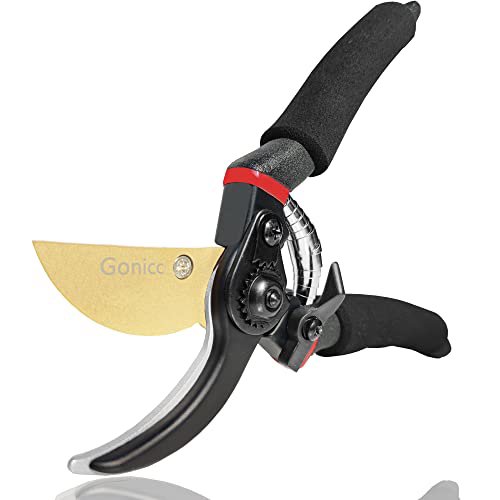
2 Use sharp, clean bypass pruners to make precise cuts just above a healthy bud to stimulate growth.
3 Apply a balanced organic fertilizer to support the development of new, vigorous growth following the pruning.
warning

Watering Imbalance

Inconsistent moisture levels, particularly during the spring growth flush, can cause periods of rapid expansion followed by stress, leading to elongated internodes.

Common
lightbulb
How to confirm: Assess if the soil moisture levels have been fluctuating wildly between bone-dry and saturated in recent weeks.
build How to fix it
shopping_cart Recommended Products
1 Monitor soil moisture levels closely using an analog meter to ensure consistent hydration during the spring growth flush.
2 Apply a balanced liquid fertilizer to support stronger stem development and prevent further elongation of internodes.
3 Prune back the leggy stems to a healthy node to encourage bushier growth and more compact structure.
local_hospital All symptoms eco All plants with leggy stems
favorite