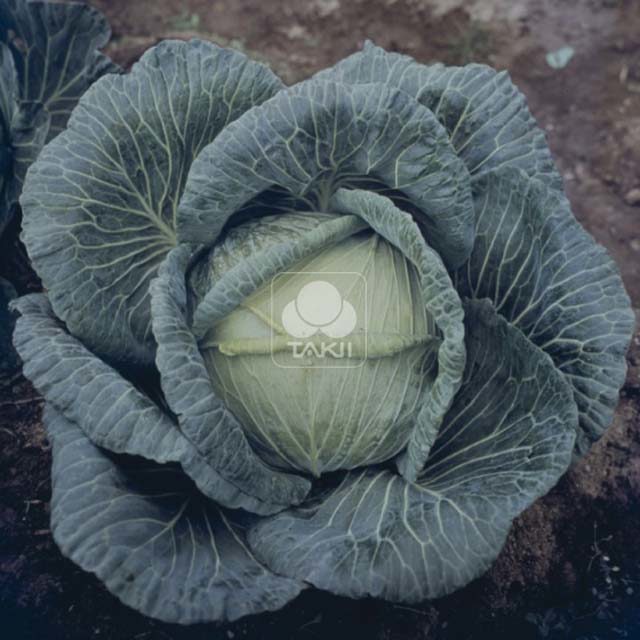
White Cabbage O S Cross F1 Brown Leaf Tips
eco Brown Leaf Tips

White Cabbage O S Cross F1 – Brown Leaf Tips

Why does your White Cabbage O S Cross F1 have brown leaf tips? Diagnose the cause and fix it with our step-by-step guide.

search Possible Causes

error

Salt Accumulation (Salinity Stress)

High levels of soluble salts from fertilizers or hard water accumulate in the leaf margins, causing osmotic stress and cell death at the tips. This is particularly common in cabbage cultivars during periods of high evaporation.

Very Common
lightbulb
How to confirm: Check if you have recently applied heavy nitrogen fertilizer or if your irrigation water has a high mineral content.
build How to fix it
shopping_cart Recommended Products
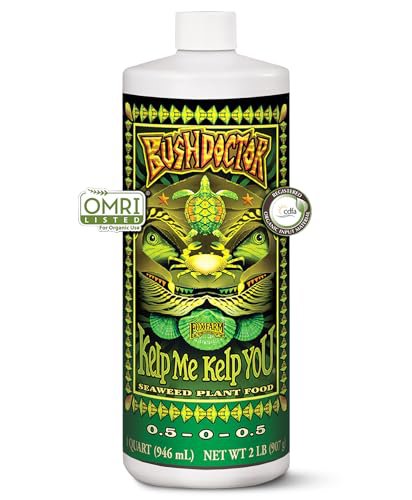
1 Flush the soil thoroughly with large amounts of fresh, low-mineral water to leach out accumulated salts from the root zone.
2 Monitor soil moisture levels closely to prevent future salt buildup caused by over-fertilization or evaporation.
3 Transition to using a high-quality organic fertilizer and avoid excessive salt-based mineral salts to maintain a healthy osmotic balance.
error

Calcium Deficiency (Tip Burn)

Calcium is immobile within the plant; when transpiration is low due to high humidity, calcium cannot reach the growing edges of the leaves, leading to necrotic brown tips. This 'tip burn' often affects the inner, younger leaves of the cabbage head first.

Very Common
lightbulb
How to confirm: Inspect the newest, innermost leaves of the cabbage head for similar browning patterns.
build How to fix it
shopping_cart Recommended Products
1 Apply a calcium supplement to the soil to address the deficiency directly and strengthen cell walls.
2 Improve airflow around the cabbage heads to increase transpiration and help move calcium to the leaf edges.
3 Monitor soil moisture levels closely to ensure consistent hydration, as fluctuations can exacerbate calcium transport issues.
warning

Drought Stress

Inconsistent soil moisture causes the plant to lose water faster than it can be replaced, leading to desiccation of the furthest extremities (the leaf tips). Cabbage requires consistent moisture to maintain the turgor pressure needed for large leaf development.

Common
lightbulb
How to confirm: Probe the soil 2-3 inches deep to see if the root zone is significantly drier than the surface layer.
build How to fix it
shopping_cart Recommended Products
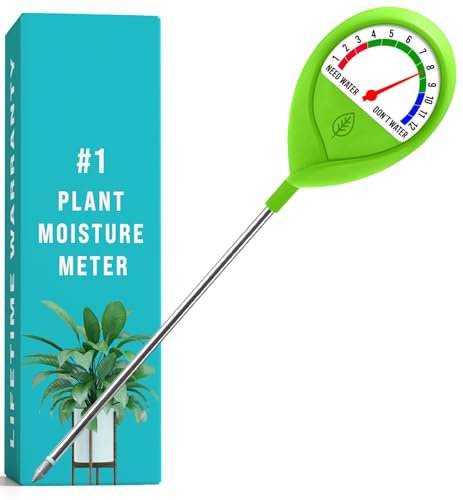
1 Check the soil moisture level immediately using a moisture meter to determine the depth of the drought stress.
2 Apply a consistent watering schedule to ensure the soil remains moist but not waterlogged, preventing future desiccation of leaf tips.
3 Mulch the base of the cabbage with organic matter to help retain soil moisture and regulate temperature.
warning

Fungal Leaf Spot (e.g., Alternaria)

Certain fungal pathogens can enter through leaf margins, causing necrotic brown lesions that may start at the tips and expand inward. This is more likely if there has been high humidity and frequent wetting of the foliage.

Common
lightbulb
How to confirm: Look for concentric rings or dark spots within the brown areas of the leaf tips.
build How to fix it
shopping_cart Recommended Products
1 Apply an organic fungicide to the affected foliage to halt the spread of the Alternaria pathogen.
2 Prune and remove any heavily infected leaves to reduce the fungal load in the garden area.
3 Improve air circulation around the cabbage plants and avoid overhead watering to keep the leaves dry.

Other White Cabbage O S Cross F1 problems

Your plant might also be experiencing one of these issues:

local_hospital All symptoms eco All plants with brown leaf tips
favorite