White Cabbage Ortus F1 White Powder
eco White Powder

White Cabbage Ortus F1 – White Powder

Why does your White Cabbage Ortus F1 have white powder? Diagnose the cause and fix it with our step-by-step guide.

search Possible Causes

error

Powdery Mildew (Albugo candida)

This is the most common cause of white, powdery patches on Brassica species like White Cabbage Ortus F1. The pathogen thrives in high humidity and cool temperatures, appearing as a white fungal-like coating on leaves and stems.

Very Common
lightbulb
How to confirm: Check if the white patches are fuzzy and spreading from leaf edges toward the center of the plant.
build How to fix it
shopping_cart Recommended Products
1 Apply an organic fungicide to the affected leaves to control the spread of the fungal pathogen.
2 Prune and remove any heavily infected leaves immediately, ensuring you dispose of them away from your garden to prevent further contamination.
3 Improve air circulation around your cabbage plants and avoid overhead watering to reduce the high humidity that promotes mildew growth.
warning

Alfalfa Medicar/White Mold (Sclerotinia sclerotiorum)

While often associated with stem rot, this fungus can present as white, cottony mycelium on cabbage tissues. It typically targets older leaves and can lead to rapid tissue collapse in hybrid cabbages.

Common
lightbulb
How to confirm: Inspect the base of the plant for firm, black sclerotia (small hard structures) within the white mass.
build How to fix it
shopping_cart Recommended Products
1 Remove and destroy all infected cabbage leaves and plant debris immediately to prevent the fungal spores from spreading to healthy tissue.
2 Apply an organic fungicide to control the spread of the white mold; Bonide Captain Jack's Copper Fungicide is effective for managing fungal issues.
3 Improve air circulation around the cabbage plants and avoid overhead watering to reduce the moisture levels that promote Sclerotinia growth.
warning

Insect Residue or Honeydew

Sucking insects like aphids or whiteflies excrete a sticky substance called honeydew, which can dry and appear as a whitish, crusty film on the cabbage leaves. This is often accompanied by visible small insects under the leaves.

Common
lightbulb
How to confirm: Touch the white area to see if it feels sticky and look closely at the underside of the leaves for tiny moving insects.
build How to fix it
shopping_cart Recommended Products
1 Inspect the undersides of the cabbage leaves for small, soft-bodied insects like aphids or whiteflies.
2 Apply an organic insecticide spray to eliminate the pests and clean the sticky residue from the foliage.
3 Use yellow sticky traps to capture any remaining flying adults and monitor for new infestations.
warning

Mineral/Salt Deposits

Excessive use of hard water or high-salt fertilizers can leave white, crusty mineral deposits on the leaf surface as the water evaporates. Unlike disease, this does not typically cause tissue necrosis initially.

Common
lightbulb
How to confirm: Wipe a leaf with a damp cloth to see if the white residue is easily removed without damaging the leaf tissue.
build How to fix it
shopping_cart Recommended Products
1 Gently wipe the leaves with a soft, damp cloth to remove the crusty mineral deposits and prevent them from clogging leaf pores.
2 Flush the soil thoroughly with distilled water or rainwater to leach out accumulated mineral salts from the root zone.
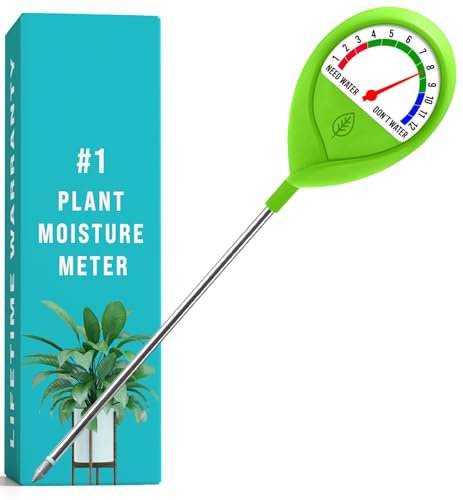
3 Switch to a high-quality organic fertilizer and monitor soil moisture levels using a moisture meter to avoid over-fertilizing.

Other White Cabbage Ortus F1 problems

Your plant might also be experiencing one of these issues:

local_hospital All symptoms eco All plants with white powder
favorite