White Cabbage Prestar F1 Drooping Leaves
eco Drooping Leaves

White Cabbage Prestar F1 – Drooping Leaves

Why does your White Cabbage Prestar F1 have drooping leaves? Diagnose the cause and fix it with our step-by-step guide.

search Possible Causes

error

Water Stress (Drought or Overwatering)

Cabbages have large, fleshy leaves that lose moisture quickly through transpiration. If the soil dries out too much, turgor pressure drops; conversely, waterlogged soil causes root hypoxia, preventing the plant from absorbing water.

Very Common
lightbulb
How to confirm: Check the moisture level 2 inches below the soil surface and inspect roots for any signs of decay if the soil is saturated.
build How to fix it
shopping_cart Recommended Products
1 Check the soil moisture level at the root zone using a moisture meter to determine if the plant is suffering from drought or waterlogging.
2 If the soil is bone dry, water the cabbage thoroughly until water drains from the bottom; if the soil is saturated, allow it to dry out before the next watering.
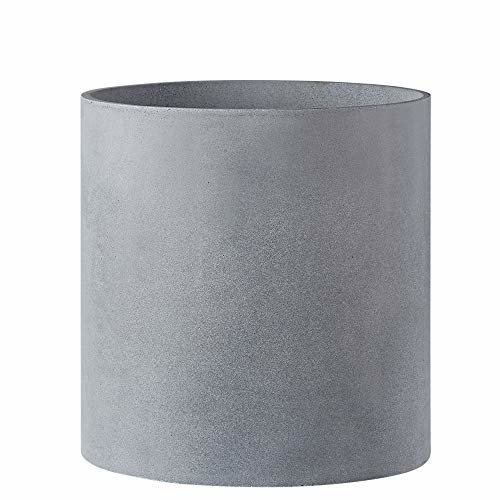
3 Ensure the plant is in a container with excellent drainage, such as a FaithLand Fiberstone Planter, to prevent waterlogged soil and root hypoxia.
error

Root Rot (Phytophthora or Pythium)

Excessive soil moisture in heavy soils can lead to fungal pathogens attacking the root system of Prestar F1. This damage prevents the cabbage from transporting water upward, resulting in wilted, drooping foliage even if the soil appears wet.

Very Common
lightbulb
How to confirm: Gently pull on a plant to see if it feels loose in the ground and examine the roots for dark, slimy patches.
build How to fix it
shopping_cart Recommended Products
1 Immediately reduce watering frequency and ensure the soil is not waterlogged to stop the spread of fungal pathogens.
2 Repot the cabbage in a well-draining medium amended with perlite to improve aeration and prevent future root rot.
3 Apply a fungicide treatment to protect the remaining healthy root tissue from further decay.
warning

Flea Beetle Damage

Flea beetles feed on the leaf tissue of young cabbages, creating small 'shot holes.' Extensive feeding reduces the effective surface area and can disrupt the plant's ability to maintain hydraulic pressure, leading to drooping.

Common
lightbulb
How to confirm: Look closely at the leaves for numerous tiny, circular holes that resemble being hit by birdshot.
build How to fix it
shopping_cart Recommended Products
1 Apply an organic insecticide to eliminate the flea beetle population and prevent further feeding on leaf tissue.
2 Inspect the plant for additional pests and use yellow sticky traps to capture adult beetles.
3 Ensure the soil remains consistently moist to help the plant recover hydraulic pressure and reduce leaf drooping.
warning

Nitrogen Deficiency

Prestar F1 requires significant nitrogen to support its large leaf biomass. A lack of available nitrogen can cause the leaves to lose structural integrity and turn a pale green before drooping.

Common
lightbulb
How to confirm: Observe if the older, bottom leaves are turning pale yellow in addition to the drooping symptom.
build How to fix it
shopping_cart Recommended Products
1 Apply a nitrogen-rich organic fertilizer to boost leaf production and restore structural integrity to the foliage.
2 Supplement the soil with organic worm castings to provide a slow-release source of nitrogen and beneficial microbes.
3 Monitor soil moisture levels using a moisture meter to ensure the nitrogen is being effectively absorbed by the roots.

Other White Cabbage Prestar F1 problems

Your plant might also be experiencing one of these issues:

local_hospital All symptoms eco All plants with drooping leaves
favorite