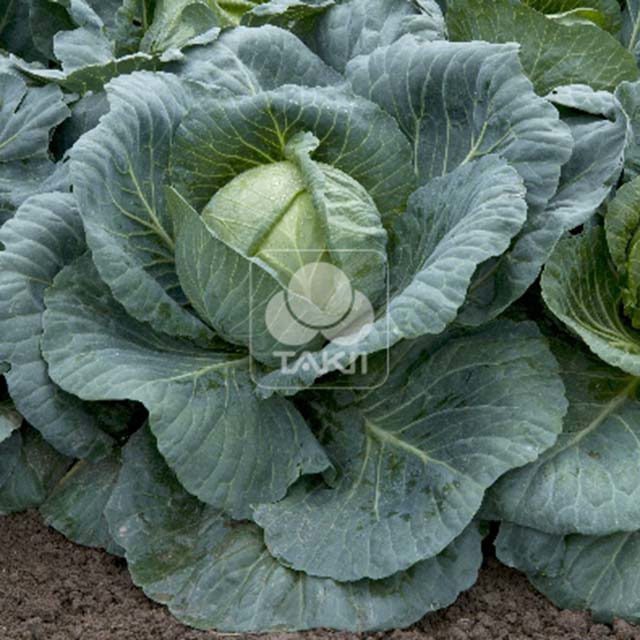
White Cabbage Shelta F1 Brown Leaf Tips
eco Brown Leaf Tips

White Cabbage Shelta F1 – Brown Leaf Tips

Why does your White Cabbage Shelta F1 have brown leaf tips? Diagnose the cause and fix it with our step-by-step guide.

search Possible Causes

error

Salt Accumulation (Fertilizer Burn)

High concentrations of nitrogen or mineral salts in the soil can cause osmotic stress, drawing moisture out of the leaf margins. In cabbage varieties like Shelta F1, this manifests first as desiccated, brown edges on the outer leaves.

Very Common
lightbulb
How to confirm: Check if you have recently applied high-nitrogen fertilizer and flush the soil with plain water to see if symptoms stabilize.
build How to fix it
shopping_cart Recommended Products
1 Flush the soil thoroughly with large amounts of fresh, distilled, or rainwater to leach out excess mineral salts from the root zone.
2 Prune away the most severely burnt leaves to prevent further decay, but avoid cutting into healthy tissue.
3 Amend the soil with organic matter or perlite to improve drainage and prevent future salt buildup; consider adding Legigo Perlite for better aeration.
error

Water Stress (Drought or Fluctuating Moisture)

Cabbages require consistent moisture to maintain cell turgidity; significant drying periods cause the leaf extremities to die back. This is particularly common in F1 hybrids that have high transpiration rates during warm weather.

Very Common
lightbulb
How to confirm: Insert a finger into the soil to check if it has dried out significantly between waterings.
build How to fix it
shopping_cart Recommended Products
1 Ensure the soil remains consistently moist by monitoring moisture levels with a meter to prevent the drying cycles causing tip burn.
2 Apply a consistent watering schedule and consider using a mulch or organic matter to help the soil retain moisture during warm periods.
3 If the plant is in a container, ensure it has adequate drainage and use a saucer to catch excess water, preventing rapid drying.
warning

Calcium Deficiency (Tip Burn)

A lack of mobile calcium prevents new cell walls from forming properly at the leaf margins, leading to necrotic brown edges. This is often caused by uneven watering rather than a lack of calcium in the soil.

Common
lightbulb
How to confirm: Observe if the browning is specifically occurring on the newest, inner leaves of the developing head.
build How to fix it
shopping_cart Recommended Products
1 Ensure consistent watering to prevent the uneven moisture levels that block calcium uptake. Use a moisture meter to monitor soil levels and avoid letting the soil dry out completely between waterings.
2 Apply a calcium supplement to the soil to address the immediate deficiency. Using a product like FoxFarm Cal Mag can help strengthen cell walls and prevent further tip burn.
3 Amend your soil with organic matter to improve long-term nutrient availability and moisture retention.
warning

Botrytis Læra (Gray Mold) - Early Stage

While typically causing rot, early-stage fungal infections can cause localized necrosis at the leaf tips in high-humidity environments. The tissue may appear brown and papery before developing fuzzy gray spores.

Common
lightbulb
How to confirm: Inspect the underside of the brown tips for any signs of fine, grayish fungal fuzz.
build How to fix it
shopping_cart Recommended Products
1 Improve air circulation around the cabbage plants to reduce humidity and prevent the spread of fungal spores.
2 Apply an organic fungicide to the affected area to control the Botrytis infection and protect healthy tissue.
3 Remove and dispose of any heavily damaged or necrotic leaves to prevent the mold from spreading to the rest of the plant.

Other White Cabbage Shelta F1 problems

Your plant might also be experiencing one of these issues:

local_hospital All symptoms eco All plants with brown leaf tips
favorite