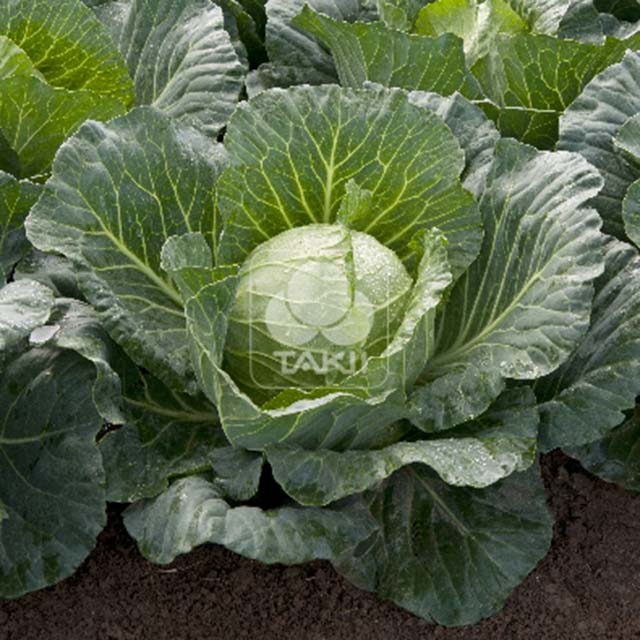
Why does your White Cabbage Sunta F1 have fine webbing? Diagnose the cause and fix it with our step-by-step guide.
These microscopic arachnids pierce the parenchyma cells of cabbage leaves to suck out nutrients, leaving behind fine silk webbing as they build colonies. In 'Sunta' F1 varieties, this often presents first on the undersides of older leaves during hot, dry periods.
While primarily known for serpentine tunnels, heavy larval activity can sometimes cause structural damage to leaf tissue that results in localized silk-like fraying or secondary webbed appearances as leaves collapse.
Thrips can cause significant scarring and silvery discoloration on brassica leaves; in high populations, their movement and feeding can occasionally result in a fine, messy silk presence among the leaf folds.
Your plant might also be experiencing one of these issues:

 English
 Italiano