Wisteria floribunda Drooping Leaves
eco Drooping Leaves

Wisteria floribunda – Drooping Leaves

Why does your Wisteria floribunda have drooping leaves? Diagnose the cause and fix it with our step-by-step guide.

search Possible Causes

error

Water Stress (Underwatering)

Wisteria floribunda has a high transpiration rate due to its large leaf surface area. If the soil dries out completely, the vine loses turgor pressure, causing the characteristic limp, drooping foliage.

Very Common
lightbulb
How to confirm: Stick your finger two inches into the soil; if it is bone dry, the plant requires immediate deep watering.
build How to fix it
shopping_cart Recommended Products
1 Immediately check the soil moisture level at the root zone to confirm the severity of the dehydration.
2 Deeply water the plant, ensuring the water reaches the entire root ball to restore turgor pressure to the leaves.
3 Apply a mulch layer around the base of the vine to help retain soil moisture and prevent future drying cycles.
error

Root Rot (Overwatering/Poor Drainage)

While wisteria is drought-tolerant once established, excessive moisture in heavy clay soils can lead to Phytophthora or other fungal root pathogens. This damages the root system's ability to transport water, resulting in leaves that appear wilted despite wet soil.

Very Common
lightbulb
How to confirm: Check if the soil feels soggy or smells sour, and inspect the roots for any dark, slimy patches.
build How to fix it
shopping_cart Recommended Products
1 Immediately reduce watering frequency and allow the soil to dry out significantly to stop the progression of root rot.
2 Repot the wisteria into a container with much better drainage, incorporating perlite or coarse sand to improve aeration.
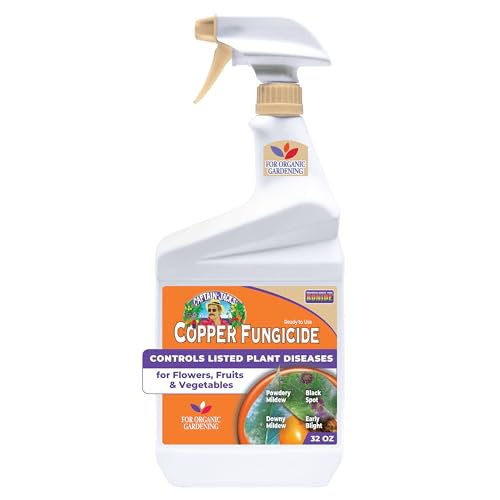
3 Apply a fungicide treatment to protect the remaining healthy root tissue from fungal pathogens like Phytophthora.
warning

Heat Stress

During extreme summer heatwaves, Wisteria floribunda may exhibit temporary wilting as a physiological defense mechanism to reduce transpiration. This is usually a diurnal pattern where leaves recover in the evening.

Common
lightbulb
How to confirm: Observe if the leaves regain their upright posture once temperatures drop in the late evening or early morning.
build How to fix it
shopping_cart Recommended Products
1 Monitor soil moisture levels during the heatwave to ensure the plant isn't actually dehydrated; use a moisture meter to check deep into the root zone.
2 Provide temporary shade during peak afternoon sun hours to reduce transpiration and help the plant maintain its temperature.
3 Apply a thick layer of organic mulch around the base of the plant to insulate the roots and retain soil moisture.
warning

Nutrient Deficiency (Nitrogen)

A lack of available nitrogen can weaken the vine's structural integrity and cellular vigor, making leaves more prone to drooping and yellowing. This is common in exhausted soils where the heavy-feeding wisteria has depleted local nutrients.

Common
lightbulb
How to confirm: Look for a general yellowing (chlorosis) of older leaves starting from the bottom of the vine upwards.
build How to fix it
shopping_cart Recommended Products
1 Apply a nitrogen-rich organic fertilizer to replenish the soil and restore leaf vigor.
2 Incorporate organic worm castings into the soil around the base of the vine to improve long-term nutrient availability and soil health.
3 Monitor soil moisture levels using a moisture meter to ensure the drooping isn't actually caused by dehydration.

Other Wisteria floribunda problems

Your plant might also be experiencing one of these issues:

local_hospital All symptoms eco All plants with drooping leaves
favorite