Yellow Zantedeschia Aethiopica Yellow Leaves
eco Yellow Leaves

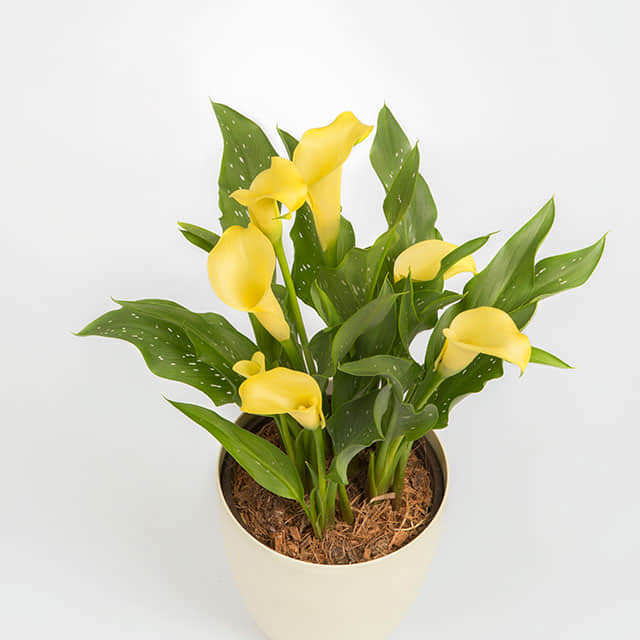
Yellow Zantedeschia Aethiopica – Yellow Leaves

Why does your Yellow Zantedeschia Aethiopica have yellow leaves? Diagnose the cause and fix it with our step-by-step guide.

search Possible Causes

error

Overwatering and Root Rot

Yellow Calla Lilies are sensitive to saturated soil; excessive moisture prevents oxygen from reaching the rhizome, leading to fungal pathogens like Phytophthora. This causes the leaves to lose turgidity and turn yellow starting from the base.

Very Common
lightbulb
How to confirm: Gently lift the rhizome to check if it feels soft, mushy, or has a foul odor.
build How to fix it
shopping_cart Recommended Products
1 Immediately remove the plant from its current container and inspect the roots; trim away any mushy, black, or foul-smelling roots using sterilized tools.
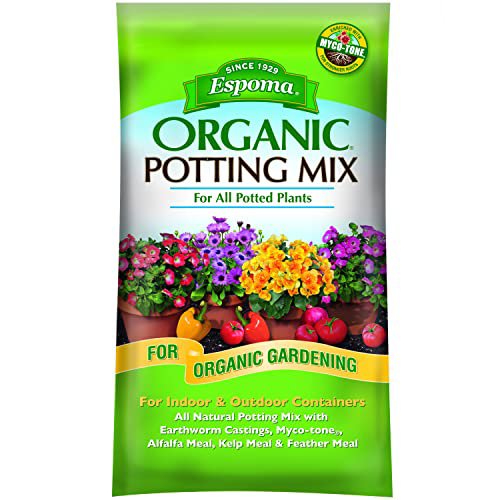
2 Repot the Calla Lily in a fresh, well-draining potting mix and ensure the new container has adequate drainage to prevent water from pooling around the rhizome.
3 Use a moisture meter to monitor the soil regularly, ensuring you only water when the top inch of soil feels dry to avoid future saturation.
error

Nitrogen Deficiency

As heavy feeders, Calla Lilies require consistent nitrogen for chlorophyll production. A lack of nitrogen results in uniform chlorosis (yellowing) across the older leaves first.

Very Common
lightbulb
How to confirm: Check if the yellowing is progressing from the oldest, bottom leaves toward the new growth.
build How to fix it
shopping_cart Recommended Products
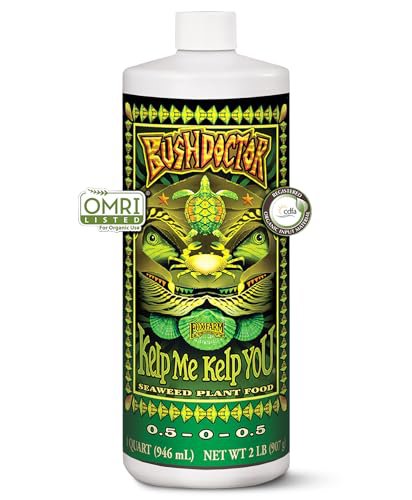
1 Apply a nitrogen-rich liquid fertilizer to boost chlorophyll production and address the chlorosis.
2 Incorporate an organic soil amendment like worm castings into the top layer of soil to provide slow-release nutrients.
3 Monitor soil moisture levels with a meter to ensure the plant can effectively uptake the new nutrients without being waterlogged.
warning

Temperature Stress (Cold Shock)

Zantedeschia Aethiopica is a tropical-origin plant and is highly sensitive to temperatures below 50°F (10°C). Sudden drops in temperature can cause the cellular structure of the leaves to collapse, manifesting as yellowing.

Common
lightbulb
How to confirm: Verify if there has been a recent drop in ambient temperature or a cold draft near the plant's location.
build How to fix it
shopping_cart Recommended Products
1 Immediately move the plant to a warmer, draft-free environment with temperatures consistently above 60°F to prevent further cellular collapse.
2 Monitor soil moisture closely, as temperature fluctuations can disrupt watering needs; use a moisture meter to ensure the soil remains damp but not waterlogged.
3 Apply a liquid seaweed fertilizer to help the plant recover from environmental stress and boost nutrient uptake.
warning

Light Intensity Imbalance

While they prefer bright light, extreme direct afternoon sun can scorch the leaves of yellow varieties, leading to bleached or yellowed patches. Conversely, too much shade can cause the plant to weaken and lose pigment.

Common
lightbulb
How to confirm: Observe if the yellowing is concentrated on leaf areas most exposed to direct sunlight.
build How to fix it
shopping_cart Recommended Products
1 Relocate your Calla Lily to a spot with bright, indirect light to prevent afternoon sun from scorching the leaves.
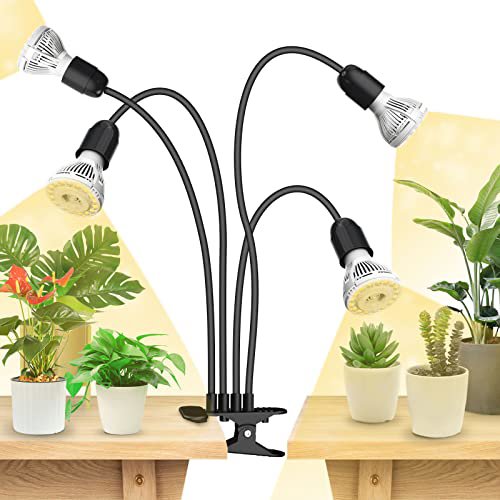
2 If the plant is in a low-light area, supplement with a full-spectrum grow light to maintain pigment and strength.
3 Monitor the soil moisture levels closely, as light changes can affect evaporation rates and impact overall plant health.

Other Yellow Zantedeschia Aethiopica problems

Your plant might also be experiencing one of these issues:

local_hospital All symptoms eco All plants with yellow leaves
favorite