Yucca aloifolia Yellow Leaves
eco Yellow Leaves

Yucca aloifolia – Yellow Leaves

Why does your Yucca aloifolia have yellow leaves? Diagnose the cause and fix it with our step-by-step guide.

search Possible Causes

error

Overwatering and Root Rot

Yucca aloifolia is highly drought-tolerant and prone to root suffocation. Excessive moisture in the substrate leads to fungal pathogens like Phytophthora, which cause chlorosis (yellowing) as roots fail to transport oxygen.

Very Common
lightbulb
How to confirm: Stick your finger deep into the soil; if it feels soggy or smells musty, the roots are likely rotting.
build How to fix it
shopping_cart Recommended Products
1 Immediately remove the plant from its current container and inspect the roots for any mushy, dark, or foul-smelling rot; prune away all damaged roots using sterilized tools.
2 Repot the Yucca in a well-draining, fresh substrate amended with perlite to improve aeration and prevent future waterlogging.
3 Transition to a more porous container with excellent drainage and use a moisture meter to ensure the soil is completely dry before watering again.
warning

Nitrogen Deficiency

A lack of available nitrogen prevents the production of chlorophyll in older leaves. In Yucca species, this typically manifests as a progressive yellowing starting from the bottom-most leaves of the rosette.

Common
lightbulb
How to confirm: Observe if the yellowing is moving upward from the oldest, lowest leaves toward the center.
build How to fix it
shopping_cart Recommended Products
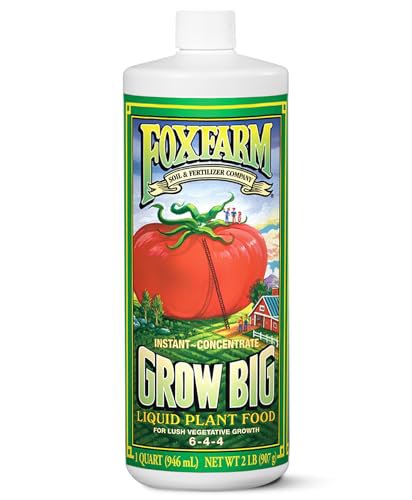
1 Apply a nitrogen-rich liquid fertilizer to boost chlorophyll production and green up the foliage.
2 Check the soil moisture levels with a meter to ensure the nitrogen is being effectively absorbed and not being leached away by overwatering.
3 Amend the existing soil with organic worm castings to provide a slow-release source of nitrogen.
warning

Temperature Stress (Cold Injury)

While hardy, extreme frost or sudden temperature drops can damage the cellular structure of the leaf. This tissue damage often results in yellowing followed by browning of the leaf tips and margins.

Common
lightbulb
How to confirm: Check if there was a recent cold snap or frost event in your local area.
build How to fix it
shopping_cart Recommended Products
1 Move the plant to a warmer, sheltered location away from cold drafts or frost to prevent further cellular damage.
2 Prune away the most severely yellowed or mushy leaves using sterilized shears to prevent rot and maintain plant energy.
3 Monitor soil moisture closely with a meter to ensure the plant is not being overwatered while in a stressed, cold state.
warning

Scale Insect Infestation

Small, armored scale insects attach to the undersides of Yucca leaves and suck sap. This nutrient depletion stresses the plant, leading to overall chlorotic appearance and potential leaf drop.

Common
lightbulb
How to confirm: Inspect the underside of the leaves for small, stationary bumps or a sticky residue called honeydew.
build How to fix it
shopping_cart Recommended Products
1 Treat the plant with an organic insecticide to eliminate the scale insects and prevent further sap depletion.
2 Physically remove visible scale insects from the undersides of leaves using a soft cloth or cotton swab dipped in rubbing alcohol.
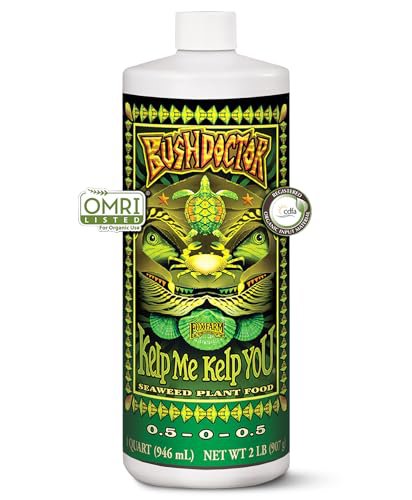
3 Apply a liquid seaweed fertilizer to help the plant recover from nutrient loss and boost overall vigor.
local_hospital All symptoms eco All plants with yellow leaves
favorite