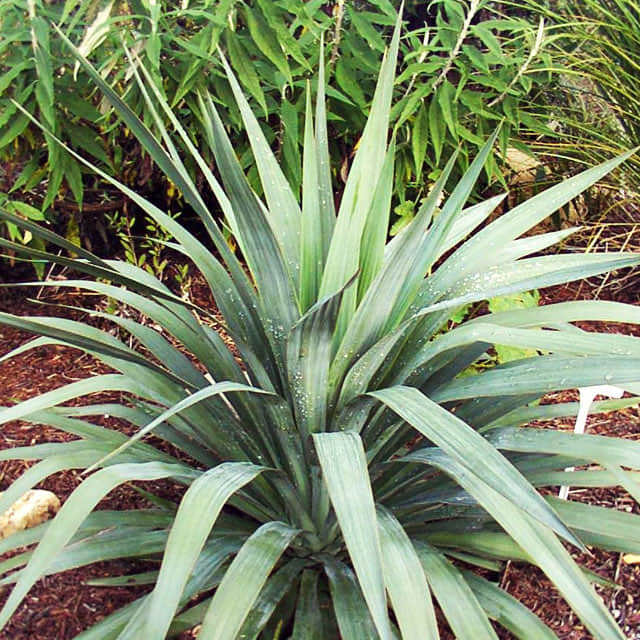
Yucca recurvifolia Yellow Leaves
eco Yellow Leaves

Yucca recurvifolia – Yellow Leaves

Why does your Yucca recurvifolia have yellow leaves? Diagnose the cause and fix it with our step-by-step guide.

search Possible Causes

error

Overwatering and Root Rot

Yucca recurvifolia is highly drought-tolerant; excessive soil moisture causes oxygen deprivation in the roots, leading to chlorophyll breakdown. This typically manifests as yellowing starting from the base or older leaves.

Very Common
lightbulb
How to confirm: Stick your finger two inches into the soil to check if it remains damp long after a watering session.
build How to fix it
shopping_cart Recommended Products
1 Immediately stop watering and allow the soil to dry out completely. Use a moisture meter to monitor the soil depth and ensure the root zone is not staying saturated.
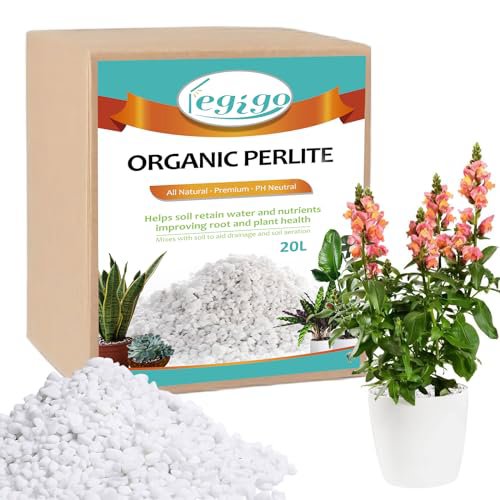
2 Repot the Yucca in a well-draining substrate, such as a mix containing perlite or pumice, to improve aeration and prevent future oxygen deprivation.
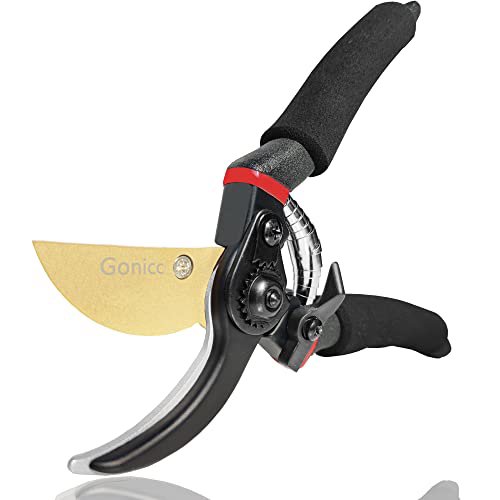
3 Inspect the roots for any mushy, dark, or foul-smelling decay. Trim away all rot using sterilized shears and discard the damaged sections to prevent the spread of infection.
warning

Nitrogen Deficiency

A lack of nitrogen prevents the plant from producing sufficient chlorophyll, resulting in a uniform yellowing of older leaves. This is common in Yuccas grown in depleted or highly leached sandy soils.

Common
lightbulb
How to confirm: Examine if the yellowing is spreading uniformly across the older, bottom-most leaves first.
build How to fix it
shopping_cart Recommended Products
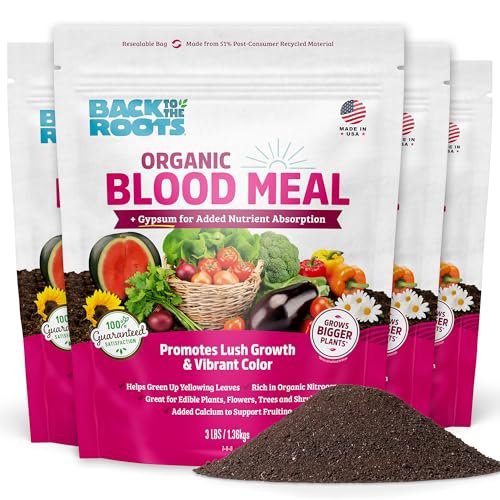
1 Apply a nitrogen-rich organic fertilizer to replenish the soil nutrients and restore chlorophyll production.
2 Amend the existing soil with organic matter like worm castings to improve long-term nutrient retention and prevent future leaching.
3 Monitor soil moisture levels regularly to ensure nitrogen is not being washed away by overwatering.
warning

Temperature Stress (Cold Shock)

Sudden drops in temperature can disrupt the metabolic processes of Yucca recurvifolia, causing the leaves to lose pigment. While hardy, extreme frost can cause rapid yellowing and softening of leaf tissue.

Common
lightbulb
How to confirm: Check if there has been a recent significant drop in night-time temperatures or a frost event.
build How to fix it
shopping_cart Recommended Products
1 Immediately move the plant to a warmer, sheltered location away from cold drafts or freezing temperatures to stabilize its metabolism.
2 Monitor the soil moisture closely, as cold stress can reduce the plant's water uptake; use a moisture meter to ensure the soil does not remain waterlogged during the recovery period.
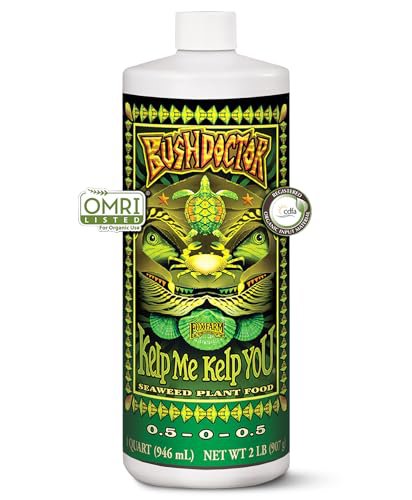
3 Once the plant has stabilized, apply a liquid seaweed fertilizer to help boost nutrient uptake and promote recovery from environmental stress.
warning

Salt Accumulation

Accumulated salts from tap water or excessive fertilizers can burn the leaf tips and cause chlorosis (yellowing). This is particularly common in indoor Yuccas where evaporation leaves mineral deposits behind.

Common
lightbulb
How to confirm: Look for white, crusty residue on the soil surface or at the tips of the yellowing leaves.
build How to fix it
shopping_cart Recommended Products
1 Flush the soil thoroughly with distilled or rainwater to leach out accumulated mineral salts and prevent further tip burn.
2 Monitor soil moisture levels closely to ensure you are not overwatering, which can exacerbate salt-related stress.
3 Switch to a high-quality organic fertilizer and avoid excessive application to prevent future mineral buildup.
local_hospital All symptoms eco All plants with yellow leaves
favorite