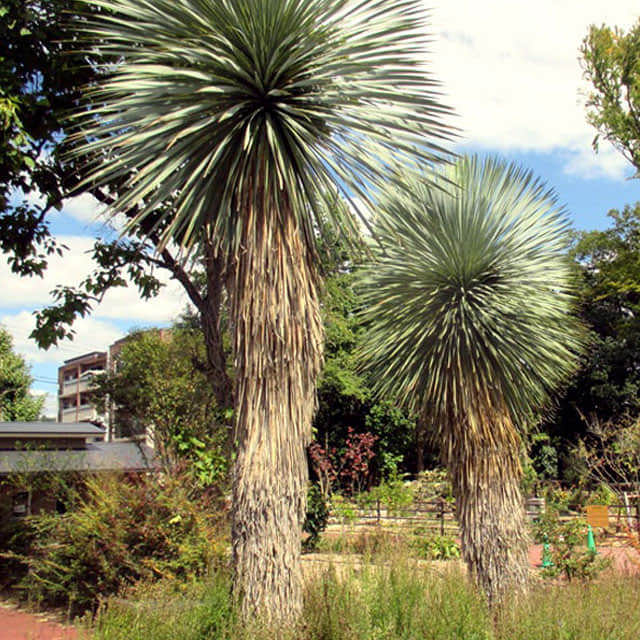
Yucca rostrata Yellow Leaves
eco Yellow Leaves

Yucca rostrata – Yellow Leaves

Why does your Yucca rostrata have yellow leaves? Diagnose the cause and fix it with our step-by-step guide.

search Possible Causes

error

Overwatering and Root Rot

Yucca rostrata is highly drought-tolerant; excessive soil moisture leads to anaerobic conditions that cause root decay, preventing the plant from transporting nutrients. This typically manifests as yellowing starting from the base of the leaves.

Very Common
lightbulb
How to confirm: Stick your finger deep into the substrate; if it feels damp more than an inch below the surface, you are likely overwatering.
build How to fix it
shopping_cart Recommended Products
1 Immediately remove the plant from its current container and inspect the roots for any mushy, dark, or foul-smelling decay.
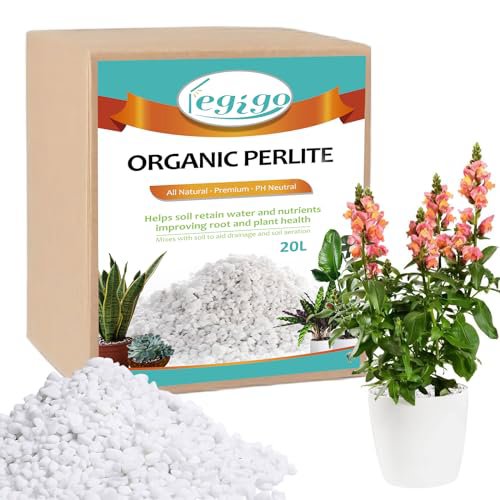
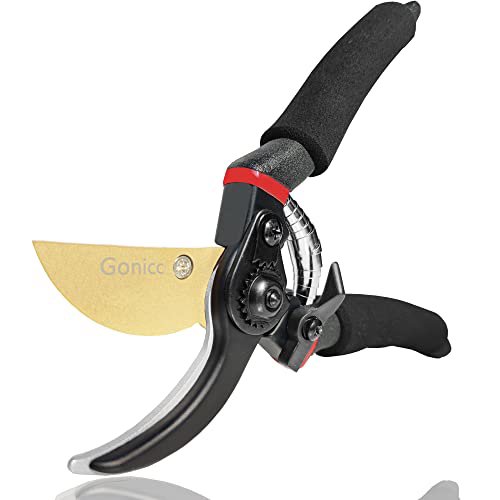
2 Prune away all dead or rotting roots using sterilized shears and repot the Yucca in a well-draining, gritty substrate like a mix containing perlite or clay pebbles to prevent future anaerobic conditions.
3 Ensure the new pot has excellent drainage and use a moisture meter to monitor the soil, allowing it to dry out completely between waterings.
warning

Nutrient Deficiency (Nitrogen)

In large specimens or those in depleted soil, a lack of nitrogen can cause older, lower leaves to turn pale yellow before eventually dying. This is common when the plant has been in the same container for multiple years without fertilization.

Common
lightbulb
How to confirm: Observe if the yellowing starts on the oldest, bottom-most leaves while the new growth remains green.
build How to fix it
shopping_cart Recommended Products
1 Apply a nitrogen-rich organic fertilizer to replenish the soil nutrients and help green up the older leaves.
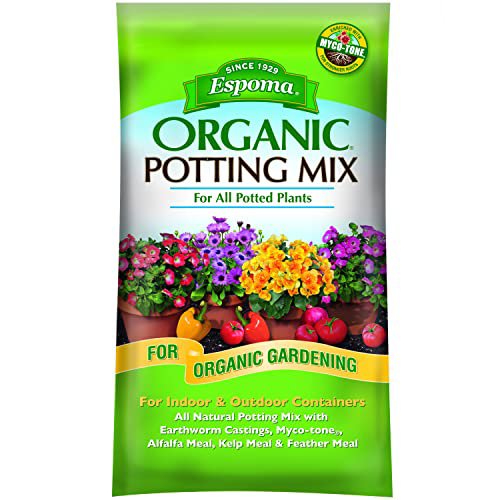
2 Repot the Yucca in fresh, nutrient-dense potting soil to provide a new reservoir of minerals for long-term growth.
3 Monitor the soil moisture levels using a moisture meter to ensure that the yellowing is not being exacerbated by overwatering.
warning

Temperature Stress (Cold Damage)

While hardy, extreme sudden frost or temperatures below freezing can damage the cellular structure of the leaves. This often causes a chlorotic (yellow) appearance followed by necrosis (browning) on leaf tips.

Common
lightbulb
How to confirm: Check if there was a recent cold snap or frost event in your local climate following the onset of yellowing.
build How to fix it
shopping_cart Recommended Products
1 Move the plant to a sheltered location or indoors to protect it from further freezing temperatures and stabilize the environment.
2 Monitor soil moisture closely using a moisture meter to ensure the plant is not being overwatered while in a stressed, dormant-like state.
3 Prune away any completely dead or mushy leaves to prevent rot, but leave yellowing leaves intact to allow the plant to reabsorb nutrients.
warning

Improper Drainage/Soil Compaction

If the soil is too heavy or contains high clay content, water sits around the root ball. This prevents oxygen from reaching the roots, causing physiological yellowing due to hypoxia.

Common
lightbulb
How to confirm: Check if water pools on the surface of the soil for a long time after a watering session.
build How to fix it
shopping_cart Recommended Products
1 Repot the Yucca in a well-draining substrate by mixing in horticultural perlite to alleviate soil compaction and improve aeration.
2 Ensure the plant is in a container with adequate drainage holes and use a saucer to prevent water from pooling around the base.
3 Monitor soil moisture levels with a meter to ensure you only water when the substrate is thoroughly dry, preventing root hypoxia.
local_hospital All symptoms eco All plants with yellow leaves
favorite