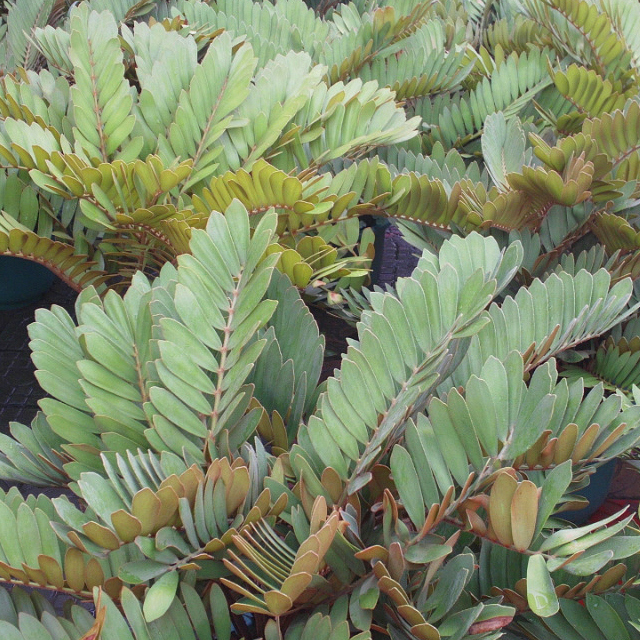
Zamia pumila Yellow Leaves
eco Yellow Leaves

Zamia pumila – Yellow Leaves

Why does your Zamia pumila have yellow leaves? Diagnose the cause and fix it with our step-by-step guide.

search Possible Causes

error

Overwatering and Root Rot

Zamia pumila is extremely drought-tolerant and highly susceptible to fungal pathogens like Phytophthora when soil remains saturated. Excess moisture causes the roots to decay, preventing the plant from transporting nutrients and leading to chlorosis (yellowing) of the leaflets.

Very Common
lightbulb
How to confirm: Stick your finger two inches into the soil; if it feels damp while the leaves are yellowing, the rhizome may be rotting.
build How to fix it
shopping_cart Recommended Products
1 Immediately remove the plant from its current container and inspect the roots for any mushy, dark, or foul-smelling decay; prune away all rotten roots using sterilized tools.
2 Repot the Zamia in a well-draining, gritty substrate to prevent future water retention, ideally mixing in perlite or clay pebbles to improve aeration.
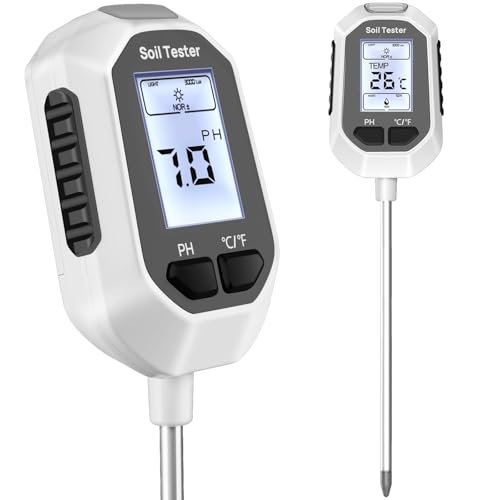
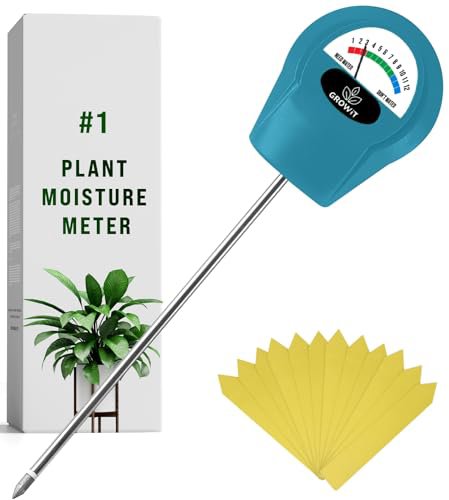
3 Use a soil moisture meter to monitor the substrate, ensuring you only water when the soil is completely dry to avoid repeat saturation.
warning

Nutrient Deficiency (Nitrogen or Magnesium)

Slow-growing cycads like Dwarf Zamia can develop yellowing if the growing medium is depleted of essential minerals. Nitrogen deficiency typically causes uniform yellowing across older leaves, while magnesium deficiency often shows between the veins.

Common
lightbulb
How to confirm: Check if the yellowing started on the oldest, bottom leaves first and consider applying a balanced, slow-release fertilizer.
build How to fix it
shopping_cart Recommended Products
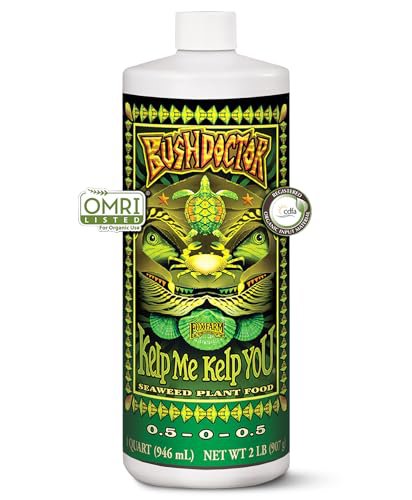
1 Apply a balanced liquid fertilizer to replenish essential minerals like nitrogen and magnesium in the soil.
2 Supplement with a magnesium-specific fertilizer to address interveinal chlorosis if yellowing persists between leaf veins.
3 Monitor soil moisture levels using an analog meter to ensure the plant is not experiencing root stress, which can mimic nutrient deficiency symptoms.
warning

Light Stress (Sunscald or Insufficient Light)

While they can tolerate bright light, sudden exposure to intense direct midday sun can bleach the leaflets yellow. Conversely, extremely low light levels can cause the plant to lose chlorophyll and turn a pale yellow-green.

Common
lightbulb
How to confirm: Observe if the yellow patches are bleached/crispy (sunburn) or if the entire plant looks pale and leggy (low light).
build How to fix it
shopping_cart Recommended Products
1 Relocate the plant to a spot with bright, indirect light to prevent further sunscald or chlorophyll loss.
2 Monitor light intensity and moisture levels using a light meter or moisture meter to ensure the environment remains stable.
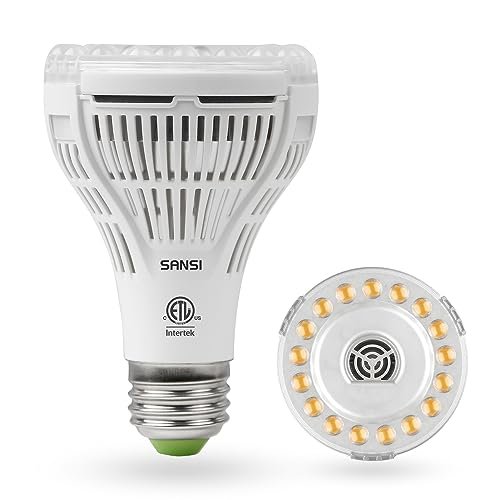
3 If the plant is in a low-light area, supplement with a full-spectrum grow light to restore healthy chlorophyll production.
warning

Temperature Extremes/Cold Stress

Zamia pumila is a tropical/subtropical plant that dislikes temperatures below 50°F (10°C). Sudden drops in temperature can shock the plant's metabolism, causing the leaflets to turn yellow before dropping.

Common
lightbulb
How to confirm: Check if the yellowing coincided with a recent cold snap or if the plant is near a drafty window.
build How to fix it
shopping_cart Recommended Products
1 Immediately move the plant to a warmer, draft-free environment, ensuring temperatures remain consistently above 50°F (10°C).
2 Monitor soil moisture closely to ensure the plant is not sitting in cold, waterlogged soil, which can exacerbate stress.
3 Avoid fertilizing the plant until it shows signs of new, healthy growth and has recovered from the temperature shock.
local_hospital All symptoms eco All plants with yellow leaves
favorite