Zamioculcas zamiifolia Yellow Leaves
eco Yellow Leaves

Zamioculcas zamiifolia – Yellow Leaves

Why does your Zamioculcas zamiifolia have yellow leaves? Diagnose the cause and fix it with our step-by-step guide.

search Possible Causes

error

Overwatering and Rhizome Rot

The ZZ plant stores water in thick underground rhizomes, making it highly susceptible to root/rhizome rot if the substrate remains saturated. Excess moisture deprives the roots of oxygen, causing leaves to turn yellow before eventually collapsing.

Very Common
lightbulb
How to confirm: Gently push into the soil near the base; if the soil is soggy and the rhizome feels mushy rather than firm, it is rotting.
build How to fix it
shopping_cart Recommended Products
1 Immediately remove the plant from its current pot and inspect the rhizomes for any mushy, dark, or foul-smelling rot.
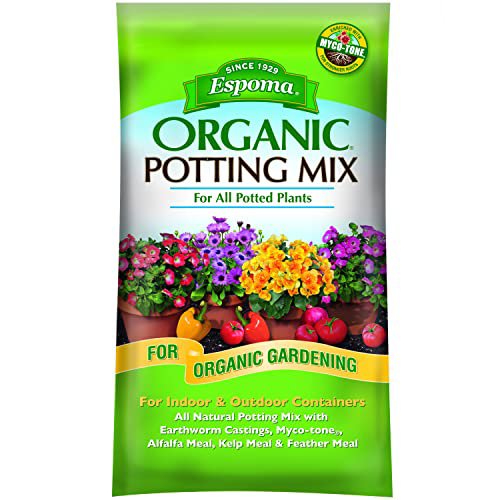
2 Prune away all rotten rhizomes and mushy roots using sterilized tools, then repot the plant in a well-draining, dry medium like a mix containing perlite or pumice.
3 Switch to a more breathable container and use a moisture meter to ensure the soil is completely dry before watering again to prevent future saturation.
warning

Nutrient Deficiency (Nitrogen)

In low-light environments or with depleted soil, a lack of nitrogen prevents chlorophyll production. This leads to an even yellowing of older leaves as the plant mobilizes nutrients to newer growth.

Common
lightbulb
How to confirm: Observe if the yellowing is starting specifically on the oldest, lowest leaves while new growth remains green.
build How to fix it
shopping_cart Recommended Products
1 Apply a nitrogen-rich liquid fertilizer to replenish depleted soil nutrients and support chlorophyll production.
2 Repot the ZZ plant in fresh, nutrient-dense potting soil to provide a long-term source of nitrogen.
3 Ensure the plant is receiving adequate indirect light, as insufficient light prevents the plant from utilizing available nitrogen.
warning

Improper Light Levels

While ZZ plants tolerate low light, extreme darkness can slow photosynthesis significantly, leading to chlorosis. Conversely, sudden exposure to direct, intense sunlight can scorch the leaves, causing yellowing patches.

Common
lightbulb
How to confirm: Check if the plant has been moved recently or if it is positioned directly in a window with harsh afternoon sun.
build How to fix it
shopping_cart Recommended Products
1 Relocate your ZZ plant to a spot with bright, indirect sunlight, ensuring it is shielded from direct afternoon sun to prevent leaf scorch.
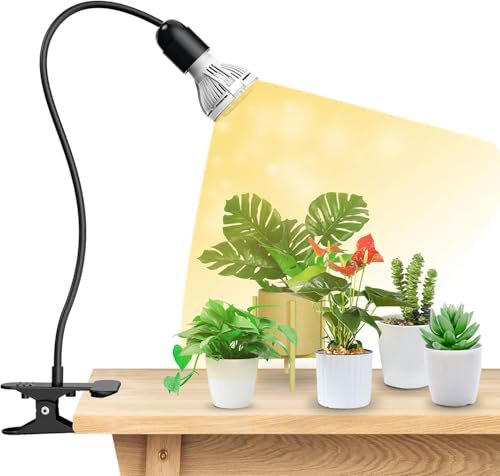
2 If the plant is in a particularly dark corner, supplement its light exposure using a full-spectrum LED grow light to support photosynthesis.
3 Monitor the soil moisture closely during this light adjustment, as lower light levels can lead to slower water evaporation and potential root rot.
warning

Temperature Stress (Cold Shock)

ZZ plants are tropical perennials that dislike temperatures below 50°F (10°C). Sudden exposure to cold drafts or low room temperatures can cause the metabolic processes to stall, manifesting as yellowing leaves.

Common
lightbulb
How to confirm: Check if the plant is located near an air conditioning vent, a drafty window, or in an unheated room.
build How to fix it
shopping_cart Recommended Products
1 Immediately move your ZZ plant away from cold drafts, windows, or air conditioning vents to a stable environment above 60°F.
2 Check the soil moisture with a meter to ensure the cold shock hasn't led to overwatering, as cold, wet soil can cause root rot.
3 If the plant shows signs of recovery, you can apply a light feeding of liquid seaweed to help reduce environmental stress.
local_hospital All symptoms eco All plants with yellow leaves
favorite