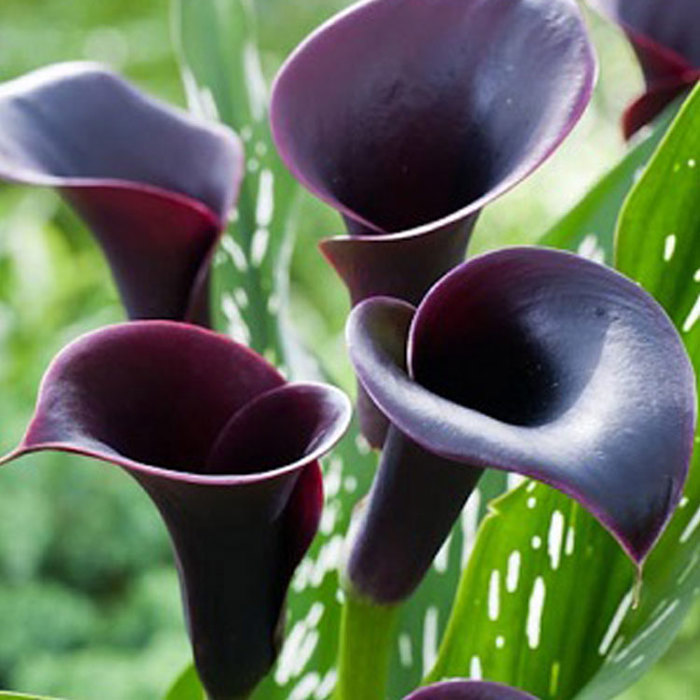
Zantedeschia Cantor Leggy Stems
eco Leggy Stems

Zantedeschia Cantor – Leggy Stems

Why does your Zantedeschia Cantor have leggy stems? Diagnose the cause and fix it with our step-by-step guide.

search Possible Causes

error

Insufficient Light Intensity

Calla Lilies are phototropic; if they do not receive enough bright, indirect light, the stems will rapidly elongate (etiolate) to search for a light source. This results in weak, thin stalks that cannot support the weight of the spathe.

Very Common
lightbulb
How to confirm: Observe if the plant is leaning toward a window or if new leaves appear much paler than older ones.
build How to fix it
shopping_cart Recommended Products
1 Move your Calla Lily to a location that receives much brighter, indirect sunlight to stop the stems from stretching toward light sources.
2 Supplement with a full-spectrum LED grow light to provide the necessary intensity for sturdy, upright stem development.
3 Gently stake the weak, elongated stems using soft supports to prevent them from snapping under the weight of the flowers.
warning

Excessive Nitrogen Fertilization

High levels of nitrogen promote rapid vegetative growth, which can lead to succulent, elongated stems that lack structural integrity. This 'soft' growth makes the Cantor variety particularly prone to flopping.

Common
lightbulb
How to confirm: Review your recent fertilizer usage to see if a high-nitrogen (high first number in N-P-K) formula was applied.
build How to fix it
shopping_cart Recommended Products
1 Flush the soil with plenty of fresh water to leach out excess nitrogen salts from the root zone.
2 Switch to a fertilizer with a lower nitrogen ratio or a balanced formula to support structural strength.
3 Provide supplemental light to encourage sturdier, more compact growth and prevent further stretching.
warning

Overwatering and Root Hypoxia

While Calla Lilies enjoy moisture, waterlogged soil reduces oxygen availability to the roots, causing stress that can trigger erratic growth spurts or weakened stem development. This often coincides with the plant's inability to structurally support itself.

Common
lightbulb
How to confirm: Press your finger deep into the soil to check if it remains saturated long after a watering session.
build How to fix it
shopping_cart Recommended Products
1 Immediately check the soil moisture levels to confirm if the roots are sitting in waterlogged conditions.
2 Repot the plant in a well-draining medium, incorporating perlite to increase aeration and prevent future root hypoxia.
3 Ensure the plant is in a pot with adequate drainage and use a saucer to catch excess water, but do not let the pot sit in standing water.
warning

Temperature Fluctuations

Sudden drops in temperature or excessive heat can disrupt the plant's metabolic rate, leading to stretched internodes as the plant struggles to regulate its growth cycle.

Common
lightbulb
How to confirm: Check if the plant is located near a drafty window or a direct heating vent.
build How to fix it
shopping_cart Recommended Products
1 Stabilize the environment by moving the plant away from cold drafts or direct heat sources to prevent further metabolic disruption.
2 Provide consistent, supplemental lighting to reduce the plant's tendency to stretch toward light sources during temperature stress.
3 Apply a balanced liquid fertilizer to support structural strength and help the plant recover its growth cycle.

Other Zantedeschia Cantor problems

Your plant might also be experiencing one of these issues:

local_hospital All symptoms eco All plants with leggy stems
favorite