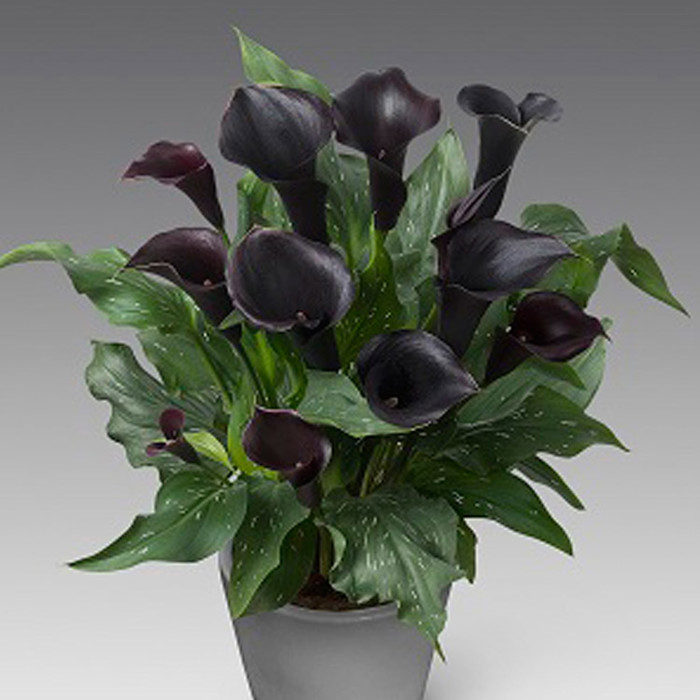
Zantedeschia Captain Beretta Sudden Leaf Drop
eco Sudden Leaf Drop

Zantedeschia Captain Beretta – Sudden Leaf Drop

Why does your Zantedeschia Captain Beretta have sudden leaf drop? Diagnose the cause and fix it with our step-by-step guide.

search Possible Causes

error

Overwatering and Root Rot

Excessive moisture in the soil leads to anaerobic conditions, causing Phytophthora or Pythium species to attack the rhizome. As the roots decay, the plant can no longer support foliage, resulting in sudden leaf senescence.

Very Common
lightbulb
How to confirm: Gently lift the rhizome from the pot to check if it feels soft, mushy, or smells of decay.
build How to fix it
shopping_cart Recommended Products
1 Immediately remove the plant from its current container and inspect the rhizome and roots for mushy, dark, or foul-smelling decay.
2 Prune away all dead or rotting roots using sterilized shears and repot the plant in a well-draining, fresh medium like Espoma Organic Potting Soil Mix to prevent further decay.
3 Ensure the new pot has excellent drainage and use a moisture meter to monitor the soil, allowing the top inch to dry out before watering again.
error

Temperature Shock/Cold Stress

Zantedeschia varieties are sensitive to sudden drops in temperature. Exposure to drafts or temperatures below 50°F (10°C) triggers a stress response that causes the plant to shed leaves to conserve energy.

Very Common
lightbulb
How to confirm: Check if the leaf drop coincided with a change in weather or proximity to a cold window/drafty door.
build How to fix it
shopping_cart Recommended Products
1 Immediately move the plant to a stable, draft-free environment with temperatures consistently above 60°F (15°C) to prevent further leaf loss.
2 Avoid further temperature fluctuations by keeping the plant away from air conditioning vents, windows, or cold drafts.
3 Monitor soil moisture closely using a moisture meter to ensure the plant is not overwatered while in its stressed, dormant-like state.
warning

Botrytis Leri (Gray Mold)

High humidity and poor air circulation around the Calla Lily's large leaves can facilitate Botrytis infection. The fungus attacks leaf tissue, causing rapid wilting and abscission.

Common
lightbulb
How to confirm: Inspect the remaining leaves for fuzzy gray fungal growth or dark, water-soaked lesions.
build How to fix it
shopping_cart Recommended Products
1 Remove and discard all infected or decaying leaves immediately to prevent the fungal spores from spreading to healthy tissue.
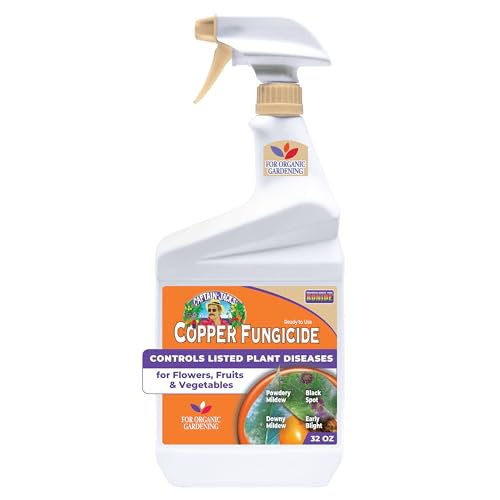
2 Apply an organic fungicide to the plant and surrounding foliage to control the spread of the gray mold.
3 Improve air circulation around the plant by spacing it away from other foliage and reducing local humidity levels.
warning

Nutrient Deficiency (Nitrogen)

A significant depletion of nitrogen in the growing medium prevents the maintenance of chlorophyll. In 'Captain Beretta', this manifests as rapid yellowing followed by the shedding of older foliage.

Common
lightbulb
How to confirm: Check if the newest leaves are emerging small and pale, and ensure a balanced fertilizer has been used recently.
build How to fix it
shopping_cart Recommended Products
1 Apply a nitrogen-rich liquid fertilizer to the soil to quickly restore chlorophyll production and stop further leaf drop.
2 Incorporate a balanced organic soil amendment like worm castings into the top layer of the growing medium to provide long-term nutrient release.
3 Monitor the soil moisture levels using an analog meter to ensure the plant is not experiencing secondary stress from overwatering.

Other Zantedeschia Captain Beretta problems

Your plant might also be experiencing one of these issues:

local_hospital All symptoms eco All plants with sudden leaf drop
favorite