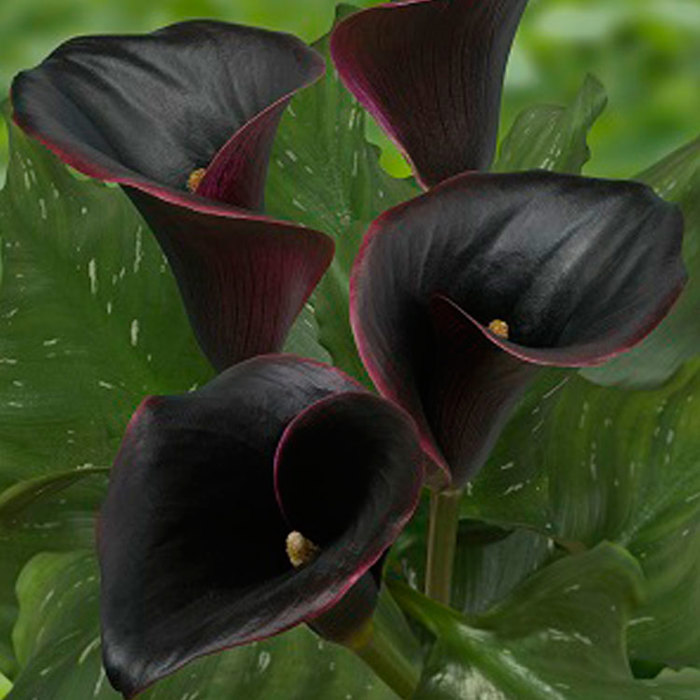
Zantedeschia Captain Carrara Yellow Leaves
eco Yellow Leaves

Zantedeschia Captain Carrara – Yellow Leaves

Why does your Zantedeschia Captain Carrara have yellow leaves? Diagnose the cause and fix it with our step-by-step guide.

search Possible Causes

error

Overwatering and Root Rot

Zantedeschia species are highly sensitive to moisture levels; sitting in water-logged soil leads to fungal pathogens like Phytophthora causing the rhizome to decay. This prevents the plant from transporting nutrients, resulting in yellowing foliage.

Very Common
lightbulb
How to confirm: Gently lift the rhizome from the pot to check if it feels soft, mushy, or has a foul odor.
build How to fix it
shopping_cart Recommended Products
1 Immediately remove the plant from the current pot and inspect the rhizome for mushy, dark, or foul-smelling rot; trim away any decayed sections using sterilized tools.
2 Repot the plant in a fresh, well-draining medium like a mix containing perlite or orchid bark to ensure oxygen reaches the roots and prevent water stagnation.
3 Switch to a more breathable container with excellent drainage and use a moisture meter to ensure you only water when the top inch of soil is dry.
error

Nutrient Deficiency (Nitrogen)

As heavy feeders during their growing season, Calla Lilies require consistent nitrogen availability. A lack of nitrogen causes older leaves to turn yellow first as the plant mobilizes nutrients to new growth.

Very Common
lightbulb
How to confirm: Check if the yellowing is starting on the oldest, lowest leaves while new growth remains green.
build How to fix it
shopping_cart Recommended Products
1 Apply a nitrogen-rich liquid fertilizer to provide immediate nutrient availability for new growth.
2 Incorporate an organic soil amendment like worm castings to provide a slow-release source of nitrogen and improve soil health.
3 Monitor soil moisture levels using a moisture meter to ensure the plant is not experiencing water stress, which can mimic nitrogen deficiency symptoms.
warning

Temperature Stress or Cold Shock

Zantedeschia Captain Carrara thrives in stable, warm environments. Sudden drops in temperature or exposure to drafts can cause the plant's metabolic processes to stall, leading to chlorosis (yellowing) of the leaves.

Common
lightbulb
How to confirm: Monitor if the yellowing coincides with recent cold snaps or proximity to air conditioning vents.
build How to fix it
shopping_cart Recommended Products
1 Relocate your Calla Lily to a stable, warm location away from cold drafts, air conditioning vents, or unheated windows.
2 Monitor the soil environment to ensure the temperature shock hasn't led to overwatering; use a moisture meter to maintain consistent hydration.
3 Once the plant stabilizes, apply a balanced liquid fertilizer to help restore metabolic vigor and promote new green growth.
warning

Light Stress (Sunscald or Low Light)

While they love bright light, intense direct afternoon sun can scorch the delicate leaves of this cultivar. Conversely, insufficient light prevents photosynthesis, causing the plant to lose chlorophyll.

Common
lightbulb
How to confirm: Observe if the yellow patches are accompanied by dry, papery brown spots from sun exposure.
build How to fix it
shopping_cart Recommended Products
1 Relocate your Calla Lily to a spot with bright, indirect light to prevent sunscald, or increase light exposure if the plant is in a dark corner.
2 Monitor the soil moisture levels closely using a moisture meter to ensure the plant isn't experiencing light-related stress due to dehydration.
3 Prune away the fully yellowed leaves to allow the plant to redirect energy toward healthy new growth.

Other Zantedeschia Captain Carrara problems

Your plant might also be experiencing one of these issues:

local_hospital All symptoms eco All plants with yellow leaves
favorite