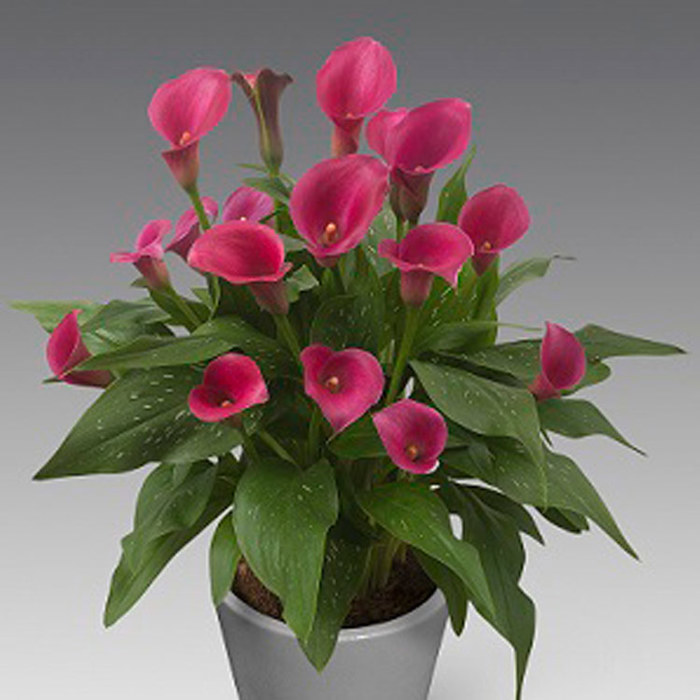
Zantedeschia Captain Cheerio Yellow Leaves
eco Yellow Leaves

Zantedeschia Captain Cheerio – Yellow Leaves

Why does your Zantedeschia Captain Cheerio have yellow leaves? Diagnose the cause and fix it with our step-by-step guide.

search Possible Causes

error

Overwatering and Root Rot

Zantedeschia species are highly susceptible to fungal pathogens like Phytophthora if the rhizome sits in waterlogged soil. Excessive moisture prevents oxygen from reaching the roots, leading to yellowing foliage as the plant's vascular system fails.

Very Common
lightbulb
How to confirm: Gently lift the rhizome to check for mushy, dark brown, or foul-smelling tissue.
build How to fix it
shopping_cart Recommended Products
1 Immediately remove the plant from its current container and inspect the rhizome for mushy, dark, or foul-smelling rot.
2 Prune away all dead or rotting roots using sterilized shears and repot the plant in a well-draining, airy medium like a mix containing perlite or pumice.
3 Switch to a more breathable pot and use a moisture meter to ensure the soil is allowed to dry out significantly between waterings to prevent future waterlogging.
error

Nutrient Deficiency (Nitrogen)

Calla Lilies have high metabolic demands during their growing season. A lack of nitrogen prevents the production of chlorophyll, causing older leaves to turn a pale yellow before eventually withering.

Very Common
lightbulb
How to confirm: Observe if the yellowing starts on older, bottom leaves while new growth remains green.
build How to fix it
shopping_cart Recommended Products
1 Apply a nitrogen-rich liquid fertilizer to boost chlorophyll production and restore leaf color.
2 Incorporate an organic soil amendment like worm castings into the top layer of soil to provide slow-release nutrients.
3 Monitor soil moisture levels with a meter to ensure the plant is not experiencing nitrogen lockout due to waterlogged soil.
warning

Temperature Stress/Cold Shock

Yellow Calla Lilies are sensitive to sudden drops in temperature. If the plant is exposed to drafts or temperatures below 50°F (10°C), the metabolic process slows down, resulting in chlorosis of the leaf blades.

Common
lightbulb
How to confirm: Check if the yellowing coincided with a recent change in room temperature or a cold snap outdoors.
build How to fix it
shopping_cart Recommended Products
1 Move the plant to a stable, warm environment away from cold drafts or windows, ensuring temperatures remain consistently above 50°F.
2 Monitor soil moisture closely to ensure the plant is not overwatered while its metabolism is slowed by the cold.
3 Once the plant stabilizes in a warm area, apply a liquid fertilizer to help restore vigor and nutrient uptake.
warning

Natural Senescence

As the flowering cycle for 'Captain Cheerio' concludes, the plant naturally begins to divert energy back to the rhizome. This process involves the programmed yellowing and death of older foliage to support dormancy.

Common
lightbulb
How to confirm: Check if the flower spathe has already wilted and if new growth is absent at the base.
build How to fix it
shopping_cart Recommended Products
1 Prune the yellowing leaves near the base of the plant to prevent potential fungal growth and maintain cleanliness.
2 Reduce watering frequency as the plant enters its natural dormancy phase to prevent rhizome rot.
3 Ensure the plant is in a well-draining medium to support the rhizome during its energy diversion process.

Other Zantedeschia Captain Cheerio problems

Your plant might also be experiencing one of these issues:

local_hospital All symptoms eco All plants with yellow leaves
favorite