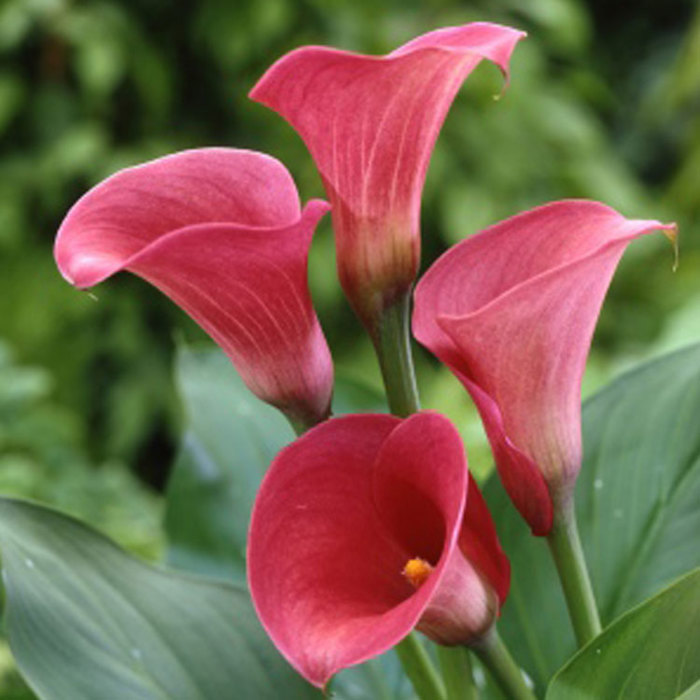
Zantedeschia Captain Romance Drooping Leaves
eco Drooping Leaves

Zantedeschia Captain Romance – Drooping Leaves

Why does your Zantedeschia Captain Romance have drooping leaves? Diagnose the cause and fix it with our step-by-step guide.

search Possible Causes

error

Overwatering and Root Rot

Zantedeschia varieties are highly susceptible to Phytophthora rot when soil remains saturated. Excess moisture deprives the rhizome of oxygen, leading to decaying roots that can no longer support leaf turgidity.

Very Common
lightbulb
How to confirm: Gently lift the rhizome from the pot to check for mushy, brown, or foul-smelling root tissue.
build How to fix it
shopping_cart Recommended Products
1 Immediately remove the plant from its current container and inspect the rhizome and roots for any mushy, dark, or foul-smelling decay.
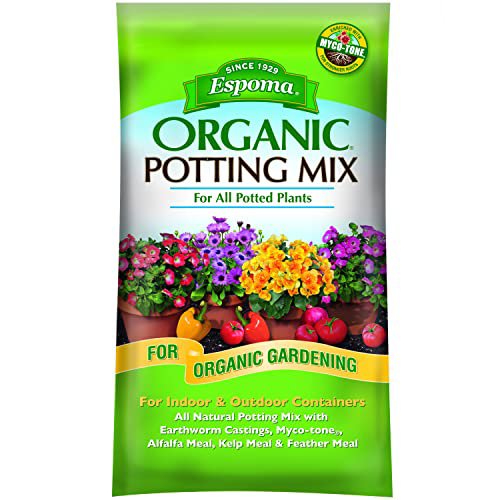
2 Prune away all dead or rotting roots using sterilized shears and repot the plant in a well-draining, fresh medium like Espoma Organic Potting Soil Mix to restore aeration.
3 Switch to a more breathable substrate by mixing in horticultural perlite to prevent future waterlogging and use a moisture meter to ensure the soil dries out between waterings.
error

Underwatering and Drought Stress

As moisture-loving plants, Calla Lilies lack significant water storage capabilities in their foliage. When the substrate dries out completely, the cellular pressure (turgor) drops, causing the large leaves to wilt rapidly.

Very Common
lightbulb
How to confirm: Insert your finger two inches into the soil; if it is bone dry, the plant requires immediate deep watering.
build How to fix it
shopping_cart Recommended Products
1 Immediately check the soil moisture level using a probe to confirm the depth of dryness.
2 Thoroughly soak the substrate with water until it drains from the bottom, ensuring the root ball is fully saturated.
3 To prevent future drought stress, consider using a self-watering system to maintain consistent moisture levels.
warning

Temperature Stress (Cold Shock)

'Captain Romance' thrives in consistent warmth. Exposure to temperatures below 50°F (10°C) can cause the metabolic processes of the plant to slow down, resulting in limp, drooping foliage.

Common
lightbulb
How to confirm: Check if the plant has recently been moved near a drafty window or an air conditioning vent.
build How to fix it
shopping_cart Recommended Products
1 Immediately move the plant to a warmer, draft-free location with temperatures consistently above 60°F to stabilize metabolic processes.
2 Monitor soil moisture closely, as cold stress can interfere with water uptake; use a moisture meter to ensure the soil remains damp but not waterlogged.
3 Apply a microbial-based liquid fertilizer to support root zone recovery and help the plant bounce back from environmental stress.
warning

Nutrient Deficiency (Nitrogen)

A lack of available nitrogen prevents the production of chlorophyll and structural proteins. This weakens the leaf structure, making them unable to hold their upright shape.

Common
lightbulb
How to confirm: Observe if the drooping leaves are also turning a pale yellow color starting from the older foliage.
build How to fix it
shopping_cart Recommended Products
1 Apply a nitrogen-rich liquid fertilizer to boost chlorophyll production and restore leaf structural integrity.
2 Monitor soil moisture levels with a moisture meter to ensure the plant is not also suffering from dehydration, which can mimic drooping.
3 Ensure the plant is in a well-draining potting medium to prevent nitrogen leaching and root rot.

Other Zantedeschia Captain Romance problems

Your plant might also be experiencing one of these issues:

local_hospital All symptoms eco All plants with drooping leaves
favorite