Zantedeschia Captain Solo Leggy Stems
eco Leggy Stems

Zantedeschia Captain Solo – Leggy Stems

Why does your Zantedeschia Captain Solo have leggy stems? Diagnose the cause and fix it with our step-by-step guide.

search Possible Causes

error

Insufficient Light Intensity

As a cultivar that thrives in bright, indirect light, 'Captain Solo' will undergo etiolation when light levels are too low. The plant stretches its petioles toward the nearest light source to increase surface area for photosynthesis, resulting in thin, weak stems.

Very Common
lightbulb
How to confirm: Observe if the leaves are leaning significantly toward a window or if new growth appears much paler than older foliage.
build How to fix it
shopping_cart Recommended Products
1 Increase the light intensity by placing the plant closer to a window or providing supplemental lighting to prevent further stretching.
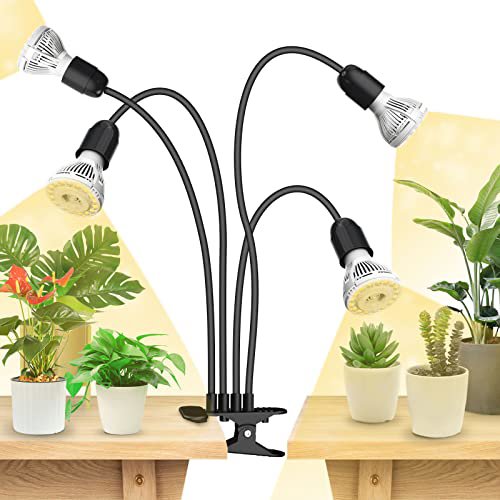
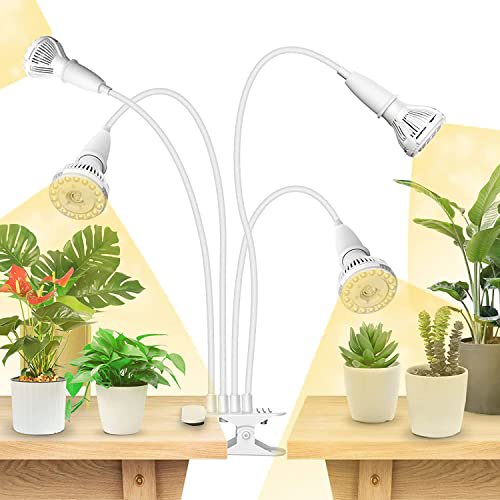
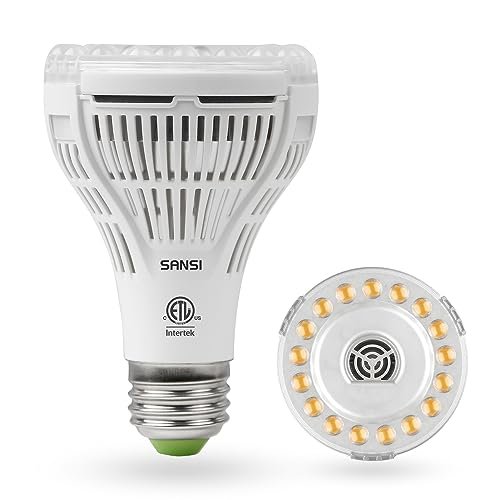
2 Use a full-spectrum grow light to mimic natural sunlight and support healthy, sturdy stem development.
3 Gently prune any excessively weak or collapsed stems to redirect the plant's energy toward new, healthy growth.
warning

Excessive Nitrogen Fertilization

High levels of nitrogen can trigger rapid, succulent vegetative growth in Calla Lilies. This fast-paced cell expansion often outpaces the development of structural lignin, leading to soft, floppy, and elongated stems.

Common
lightbulb
How to confirm: Check your recent fertilizer labels for a disproportionately high first number (N) in the N-P-K ratio.
build How to fix it
shopping_cart Recommended Products
1 Stop all nitrogen-rich fertilization immediately to allow the plant to stabilize and focus on structural development.
2 Flush the soil with plenty of fresh water to leach out excess nitrogen salts from the root zone.
3 Provide supplemental light to encourage stronger, more compact stem growth and prevent further stretching.
warning

Overwatering and Poor Drainage

Constant moisture at the rhizome level can cause cells to swell with water, making the stems appear heavy and unable to support their own weight. This often precedes the onset of rhizome rot in Zantedeschia species.

Common
lightbulb
How to confirm: Insert your finger two inches into the soil; if it feels saturated or smells sour/musty, drainage is likely insufficient.
build How to fix it
shopping_cart Recommended Products
1 Immediately check the soil moisture level to ensure the rhizome is not sitting in saturated ground; use a moisture meter to confirm the root zone is drying out between waterings.
2 Repot the Calla Lily in a well-draining medium, incorporating perlite or horticultural grit to improve aeration and prevent moisture retention around the rhizome.
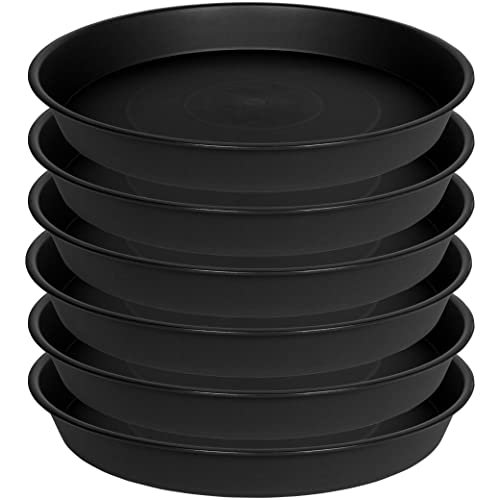
3 Ensure the plant is in a container with functional drainage holes and use a saucer to catch excess water, making sure to empty the saucer after watering to prevent waterlogging.
warning

Temperature Fluctuations

Sudden drops in temperature can stress 'Captain Solo', causing a disruption in metabolic processes. This stress can lead to irregular growth spurts followed by weak, spindly stem development as the plant struggles to regulate its energy.

Common
lightbulb
How to confirm: Check if the plant is located near cold drafts from windows or air conditioning vents.
build How to fix it
shopping_cart Recommended Products
1 Stabilize the environment by moving the plant to a location with consistent temperatures, away from cold drafts or sudden temperature shifts.
2 Provide supplemental light to strengthen the stems and prevent further stretching, especially if the plant is indoors.
3 Apply a balanced liquid fertilizer to help the plant recover its metabolic strength and support more robust growth.

Other Zantedeschia Captain Solo problems

Your plant might also be experiencing one of these issues:

local_hospital All symptoms eco All plants with leggy stems
favorite