Zea mays subsp. mays Yellow Leaves
eco Yellow Leaves

Zea mays subsp. mays – Yellow Leaves

Why does your Zea mays subsp. mays have yellow leaves? Diagnose the cause and fix it with our step-by-step guide.

pets Pet Friendly

search Possible Causes

error

Nitrogen Deficiency

Nitrogen is a mobile nutrient in corn; when deficient, the plant moves it from older leaves to newer growth. This results in characteristic V-shaped yellowing starting at the leaf tip and progressing down the midrib of older leaves.

Very Common
lightbulb
How to confirm: Inspect if the yellowing pattern follows a distinct 'V' shape originating from the leaf tip on the bottom-most leaves.
build How to fix it
shopping_cart Recommended Products
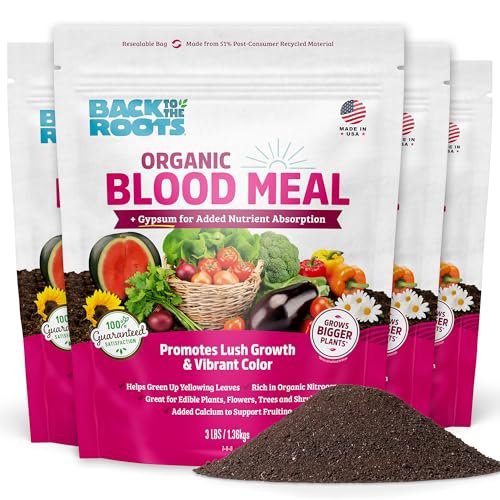
1 Apply a nitrogen-rich organic fertilizer to replenish the soil nutrients and stop the yellowing progression.
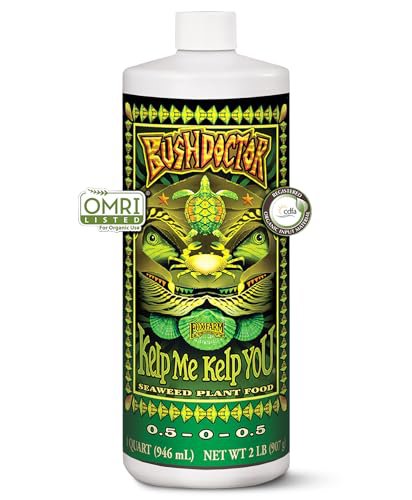
2 Supplement with a liquid seaweed fertilizer to boost overall nutrient uptake and plant vigor.
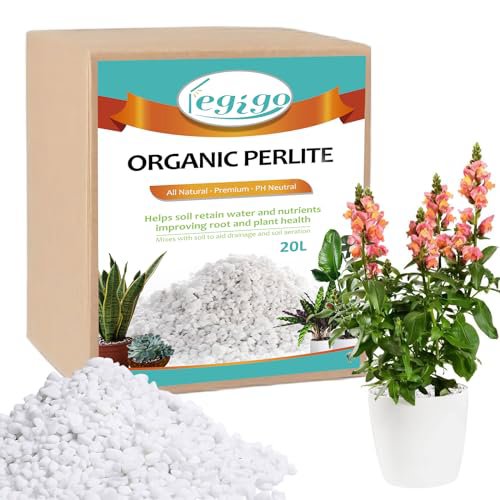
3 Ensure the soil is well-aerated by mixing in organic perlite to prevent nitrogen lockout caused by compacted soil.
error

Water Stress (Drought or Waterlogging)

Corn has high water demands, especially during silking. Drought causes leaf rolling and yellowing due to stomatal closure, while waterlogging leads to root hypoxia, preventing nutrient uptake and causing general chlorosis.

Very Common
lightbulb
How to confirm: Check the soil moisture levels at a depth of 2-3 inches and look for leaves that are physically rolled or wilted.
build How to fix it
shopping_cart Recommended Products
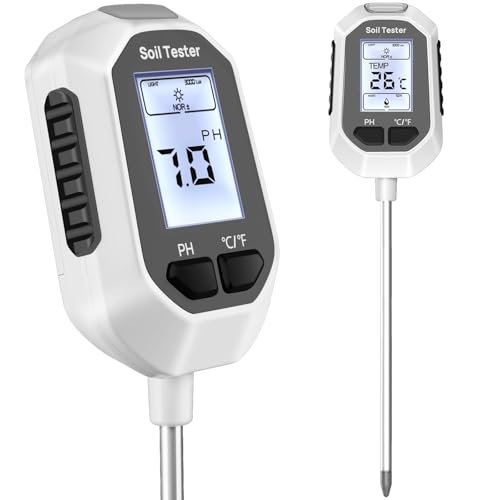
1 Check the soil moisture level at the root zone using a moisture meter to determine if the plant is suffering from drought or waterlogging.
2 If the soil is bone dry, implement a consistent watering schedule to meet corn's high water demands; if the soil is saturated, improve drainage to prevent root hypoxia.
3 Apply a balanced liquid fertilizer to help the plant recover from nutrient uptake inhibition caused by the water stress.
warning

Iron or Manganese Deficiency

These micronutrients are immobile within the plant. Deficiencies typically manifest as interveinal chlorosis (yellowing between veins) on the most recently developed, upper leaves of the corn plant.

Common
lightbulb
How to confirm: Examine if the yellowing is confined to the newer growth at the top of the plant while the veins remain green.
build How to fix it
shopping_cart Recommended Products
1 Apply a micronutrient-rich liquid supplement to address the iron or manganese deficiency directly through the soil.
2 Check the soil pH levels, as high alkalinity can prevent the corn plant from absorbing available iron and manganese.
3 Amend the soil with organic matter or compost to improve nutrient availability and soil structure.
warning

Maize Dwarf Mosaic Virus (MDMV)

This viral pathogen causes chlorotic streaks, mottling, or mosaic patterns on the leaves. It can significantly reduce photosynthetic capacity and stunt corn plant development.

Common
lightbulb
How to confirm: Look for irregular, light-green to yellow mosaic patches or streaks that do not follow a specific vein pattern.
build How to fix it
shopping_cart Recommended Products
1 Remove and destroy heavily infected plants immediately to prevent the virus from spreading to healthy corn stalks via insect vectors.
2 Control aphid and mite populations using an organic insecticide to stop them from transmitting the virus between plants.
3 Apply a balanced liquid fertilizer to support the remaining healthy tissue and boost the plant's overall resilience.
local_hospital All symptoms eco All plants with yellow leaves
favorite