Zinnia elegans Sudden Leaf Drop
eco Sudden Leaf Drop

Zinnia elegans – Sudden Leaf Drop

Why does your Zinnia elegans have sudden leaf drop? Diagnose the cause and fix it with our step-by-step guide.

pets Pet Friendly

search Possible Causes

error

Powdery Mildew (Podosphaera zinniae)

This fungal pathogen is highly common in Zinnias, especially in humid conditions. As the infection progresses, it weakens the plant significantly, leading to chlorosis and premature leaf senescence/drop.

Very Common
lightbulb
How to confirm: Inspect the undersides of leaves for a white, flour-like powdery coating.
build How to fix it
shopping_cart Recommended Products
1 Apply an organic fungicide to the affected leaves to stop the spread of the fungal pathogen.
2 Prune and remove all heavily infected leaves and debris from the base of the plant to reduce spore load.
3 Improve air circulation around the plant and avoid overhead watering to keep foliage dry and prevent further moisture buildup.
error

Water Stress (Overwatering or Drought)

Zinnias prefer well-draining soil; prolonged saturation leads to root hypoxia and rot, while extreme drought triggers a survival mechanism where the plant sheds leaves to reduce transpiration.

Very Common
lightbulb
How to confirm: Check if the soil is waterlogged or bone-dry and feel for mushy stem bases.
build How to fix it
shopping_cart Recommended Products
1 Check the soil moisture level immediately using a moisture meter to determine if the soil is waterlogged or bone dry.
2 If the soil is overly saturated, repot the Zinnia into a well-draining medium amended with perlite to improve aeration and prevent root rot.
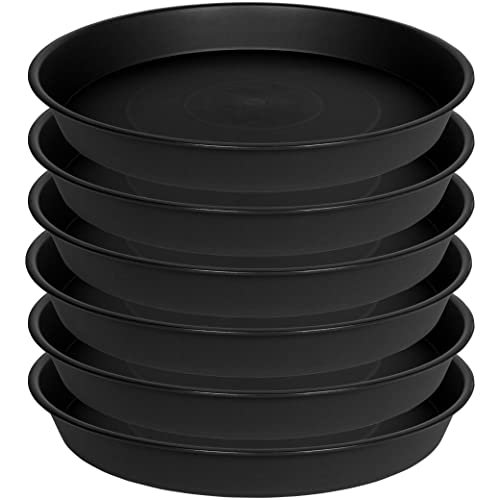
3 Ensure the plant is in a container with proper drainage and use a saucer to catch excess water, but avoid letting the pot sit in standing water.
warning

Bacterial Leaf Spot (Pseudomonas syringae)

This bacterial infection causes dark, water-soaked lesions on Zinnia leaves. As these spots expand and coalesce, the affected leaf tissue dies and falls from the plant.

Common
lightbulb
How to confirm: Look for small, dark, irregular spots that may appear 'greasy' or water-soaked.
build How to fix it
shopping_cart Recommended Products
1 Prune and remove all infected leaves and fallen debris immediately to prevent the bacteria from spreading to healthy tissue.
2 Apply an organic fungicide to protect remaining healthy foliage from further infection.
3 Improve air circulation around the plant and avoid overhead watering to keep leaves dry and reduce bacterial spread.
warning

Nutrient Deficiency (Nitrogen)

A lack of available nitrogen prevents the plant from maintaining foliage, causing older leaves to turn yellow and eventually drop to conserve resources for new growth.

Common
lightbulb
How to confirm: Observe if the yellowing begins on the lower, older leaves while the tips remain pale.
build How to fix it
shopping_cart Recommended Products
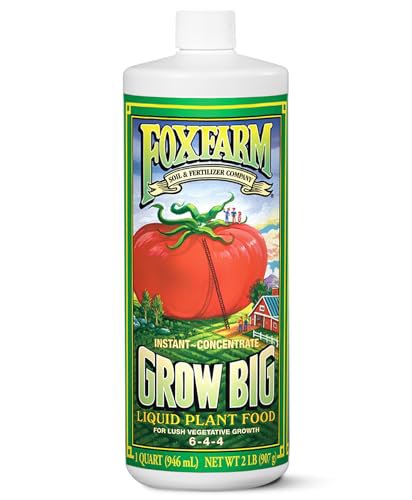
1 Apply a nitrogen-rich liquid fertilizer to provide immediate nutrient uptake and help green up yellowing leaves.
2 Incorporate an organic soil amendment like blood meal into the top layer of the soil to provide a slow-release nitrogen boost.
3 Monitor soil moisture levels using a moisture meter to ensure the plant is not also experiencing water stress, which can mimic nitrogen deficiency symptoms.

Other Zinnia elegans problems

Your plant might also be experiencing one of these issues:

local_hospital All symptoms eco All plants with sudden leaf drop
favorite