Zoysia japonica Yellow Leaves
eco Yellow Leaves

Zoysia japonica – Yellow Leaves

Why does your Zoysia japonica have yellow leaves? Diagnose the cause and fix it with our step-by-step guide.

pets Pet Friendly

search Possible Causes

error

Improper Irrigation (Drought Stress or Overwatering)

Zoysia japonica is drought-tolerant but requires consistent moisture during establishment. Yellowing occurs when the roots are either desiccated by lack of water or suffocated by waterlogged soil, preventing oxygen exchange.

Very Common
lightbulb
How to confirm: Push a finger two inches into the soil to check if it is bone dry or saturated and muddy.
build How to fix it
shopping_cart Recommended Products
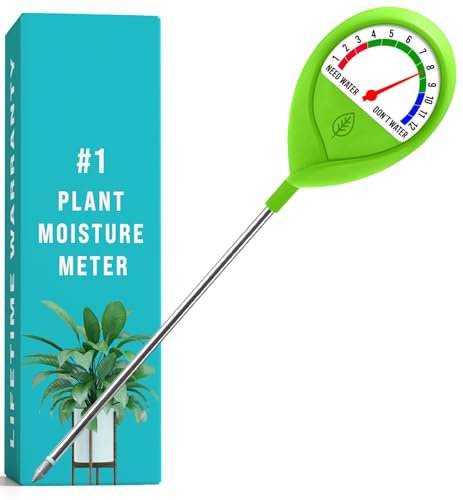
1 Check the soil moisture level at the root zone using a moisture meter to determine if the grass is suffering from drought or waterlogging.
2 If the soil is bone dry, implement a deep, infrequent watering schedule to encourage deep root growth; if the soil is saturated, improve drainage and reduce watering frequency.
3 Ensure the area has proper aeration to prevent soil compaction, which can lead to the oxygen deprivation mentioned.
error

Nitrogen Deficiency

As a perennial grass, Zoysia requires significant nitrogen for chlorophyll production. A lack of nitrogen results in a uniform paling or yellowing of the entire grass blade, starting with older leaves.

Very Common
lightbulb
How to confirm: Observe if the yellowing is widespread across the lawn and consider applying a slow-release nitrogen fertilizer.
build How to fix it
shopping_cart Recommended Products
1 Apply a nitrogen-rich fertilizer to restore chlorophyll production and green up the grass blades.
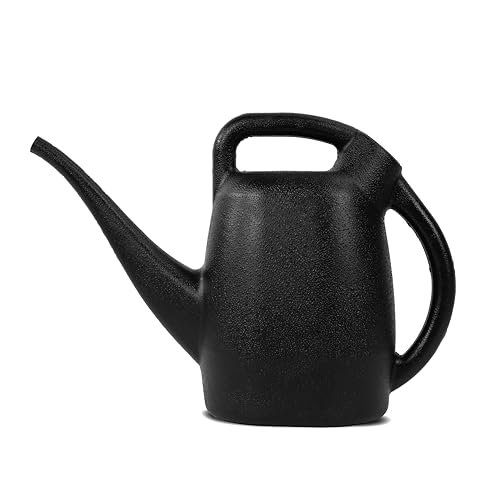
2 Ensure even distribution of nutrients across the lawn by using a spreader or watering can to reach the base of the grass.
warning

Soil Compaction

Dense soil prevents root expansion and reduces gas exchange in the rhizosphere. This physical barrier limits the ability of Zoysia roots to access nutrients, leading to chlorosis (yellowing).

Common
lightbulb
How to confirm: Perform a simple probe test with a screwdriver; if it is difficult to push into the ground, your soil is likely compacted.
build How to fix it
shopping_cart Recommended Products
1 Aerate the soil using a core aerator or a garden fork to puncture the dense soil, allowing oxygen and water to reach the root zone.
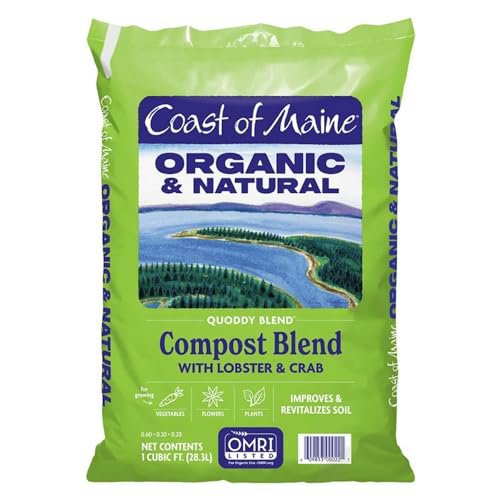
2 Top-dress the lawn with organic matter like compost to improve soil structure and promote long-term nutrient availability.
3 Apply a nitrogen-rich fertilizer to help recover from chlorosis and stimulate new green growth.
warning

Fungal Pathogen (e.g., Large Patch/Rhizoctonia)

Certain fungal pathogens thrive in moist, cool conditions and cause circular patches of yellowing that eventually turn necrotic or brown. This is particularly common in Zoysia during spring and autumn.

Common
lightbulb
How to confirm: Check if the yellowing appears in distinct, expanding circular patches rather than across the whole lawn.
build How to fix it
shopping_cart Recommended Products
1 Apply a fungicide to the affected areas to combat the Rhizoctonia pathogen and prevent the spread of circular yellow patches.
2 Adjust your watering schedule to avoid evening irrigation, as keeping the grass blades dry during cool nights reduces fungal germination.
3 Avoid over-fertilizing with high-nitrogen products during cool, moist periods, which can create the lush, soft growth that fungi prefer.

Other Zoysia japonica problems

Your plant might also be experiencing one of these issues:

local_hospital All symptoms eco All plants with yellow leaves
favorite