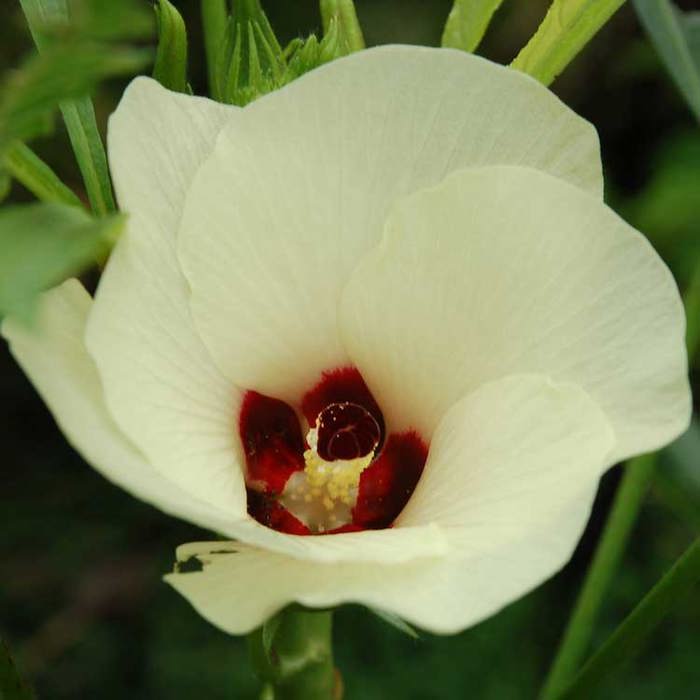
Abelmoschus esculentus Drooping Leaves
eco Drooping Leaves

Abelmoschus esculentus – Drooping Leaves

Why does your Abelmoschus esculentus have drooping leaves? Diagnose the cause and fix it with our step-by-step guide.

pets Pet Friendly

search Possible Causes

error

Underwatering (Water Stress)

Okra is a heavy feeder with a high transpiration rate, especially in hot weather; insufficient soil moisture prevents the plant from maintaining cellular turgor pressure.

Very Common
lightbulb
How to confirm: Check if the soil is dry several inches below the surface and see if the leaves perk up after a deep watering session.
build How to fix it
shopping_cart Recommended Products
1 Immediately check the soil moisture level at the root zone to confirm the depth of dehydration.
2 Apply a deep, thorough watering to the base of the plant to restore cellular turgor pressure, ensuring the water reaches the entire root ball.
3 Apply a layer of organic mulch or organic matter around the base to help retain soil moisture and reduce evaporation.
error

Heat Stress

While Okra thrives in heat, extreme afternoon temperatures can cause the plant to temporarily wilt as a physiological mechanism to reduce transpiration and conserve moisture.

Very Common
lightbulb
How to confirm: Observe whether the leaves recover their upright position during the cooler evening or early morning hours.
build How to fix it
shopping_cart Recommended Products
1 Provide temporary shade during the hottest part of the day using a shade cloth or by moving the container to a more sheltered location to reduce transpiration.
2 Monitor soil moisture levels closely to ensure the plant remains hydrated without becoming waterlogged, using a moisture meter to check deep into the root zone.
3 Apply a mulch layer around the base of the plant to help regulate soil temperature and retain essential moisture.
error

Fusarium Wilt (Fusarium oxysporum)

This fungal pathogen invades the plant's vascular system, physically blocking the xylem and preventing water transport from the roots to the leaves.

Very Common
lightbulb
How to confirm: Examine the stem base for any brown discoloration or cut a small section of the stem to check for dark internal vascular staining.
build How to fix it
shopping_cart Recommended Products
1 Immediately remove and destroy the infected plant and any surrounding debris to prevent the fungal spores from spreading to healthy okra plants.
2 Sterilize all gardening tools, such as pruning shears, with alcohol to avoid further transmission of the pathogen.
3 Improve soil drainage and aeration by incorporating perlite or coarse sand into the planting area to reduce the moisture levels that favor Fusarium growth.
warning

Overwatering and Root Rot

Excessive moisture in the soil depletes oxygen levels, leading to root decay which destroys the plant's ability to uptake water despite it being abundant in the soil.

Common
lightbulb
How to confirm: Check if the soil remains muddy or saturated for long periods and look for yellowing leaves accompanying the drooping.
build How to fix it
shopping_cart Recommended Products
1 Immediately stop watering and allow the soil to dry out completely to restore oxygen levels to the root zone.
2 Repot the okra in a well-draining medium, incorporating perlite to improve aeration and prevent future waterlogging.
3 Prune away any mushy, blackened, or decayed roots using sterilized tools to prevent the spread of rot.
local_hospital All symptoms eco All plants with drooping leaves
favorite