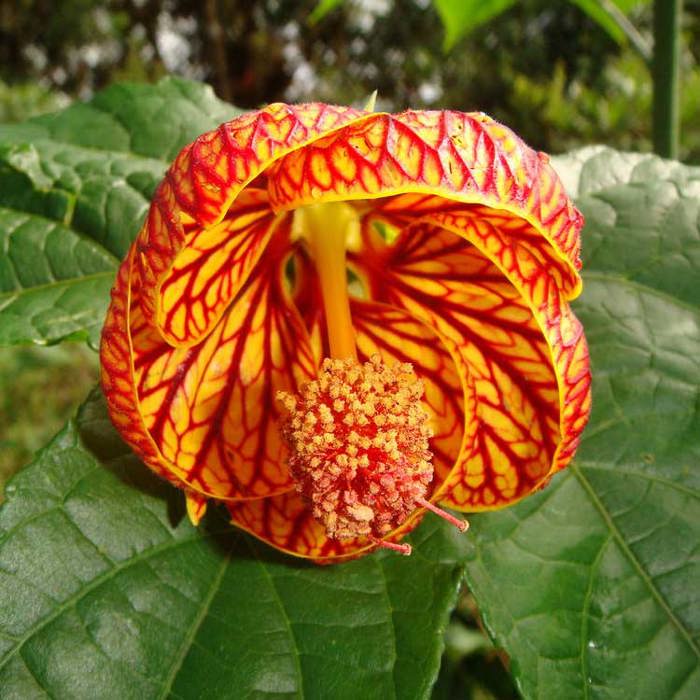
Abutilon striatum Leggy Stems
eco Leggy Stems

Abutilon striatum – Leggy Stems

Why does your Abutilon striatum have leggy stems? Diagnose the cause and fix it with our step-by-step guide.

search Possible Causes

error

Insufficient Light Intensity

As a plant that thrives in bright, filtered light, Abutilon striatum will undergo etiolation (stretching) to seek more photons. The internodes (space between leaves) lengthen significantly as the plant attempts to reach a light source.

Very Common
lightbulb
How to confirm: Observe if the stems are leaning toward a window or if the new growth is noticeably paler and thinner than the base.
build How to fix it
shopping_cart Recommended Products
1 Move your Abutilon striatum to a location with much brighter, filtered light to stop the stems from stretching further.
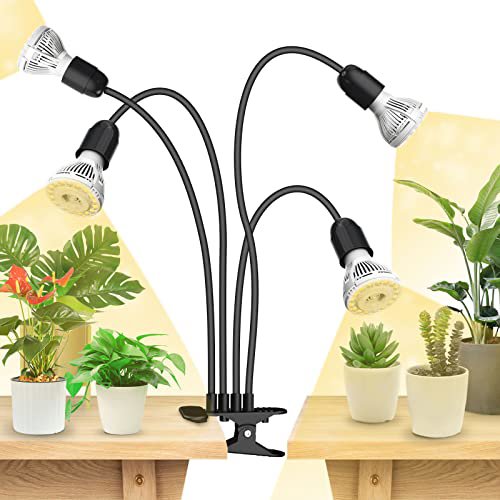
2 Supplement existing light with a full-spectrum grow light to provide the necessary photon density for healthy internode spacing.
3 Prune the elongated, leggy stems using sharp shears to encourage bushier growth and prevent the plant from becoming top-heavy.
warning

Excessive Nitrogen Fertilization

High levels of nitrogen encourage rapid vegetative growth, which in Abutilon can result in soft, weak, and spindly tissue. This rapid cell expansion outpaces the plant's ability to develop structural lignin.

Common
lightbulb
How to confirm: Check if you have recently applied a fertilizer with a much higher first number (N) than middle or last numbers.
build How to fix it
shopping_cart Recommended Products
1 Flush the soil with plenty of fresh, room-temperature water to leach out excess nitrogen salts from the root zone.
2 Prune back the long, spindly stems to encourage more compact, structural growth and improve airflow.
3 Transition to a balanced or lower-nitrogen fertilizer to support stem strength and prevent further rapid, weak growth.
warning

Overwatering and Poor Drainage

Consistent moisture in the substrate can lead to oxygen-deprived roots, causing the plant to lose structural integrity. While not classic rot yet, the weakened root system cannot support the weight of the foliage, leading to drooping/leggy appearance.

Common
lightbulb
How to confirm: Press your finger deep into the soil to check if it remains saturated for several days after watering.
build How to fix it
shopping_cart Recommended Products
1 Immediately reduce watering frequency and allow the top inch of soil to dry out completely before watering again to prevent root rot.
2 Repot the plant in a well-draining medium by mixing in horticultural perlite to improve aeration and prevent waterlogged soil.
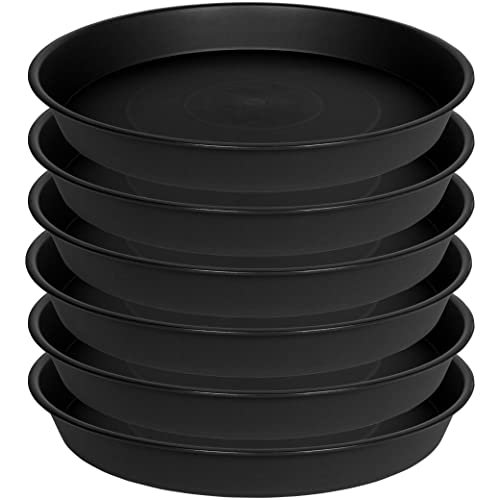
3 Ensure the plant is in a container with adequate drainage holes and use a saucer to catch excess water, making sure not to let the pot sit in standing water.
warning

Temperature Fluctuations

Abutilon striatum prefers stable, warm temperatures; sudden drops in temperature can slow metabolic processes and lead to erratic, weak growth spurts when warmth returns.

Common
lightbulb
How to confirm: Check if the plant is positioned near a drafty window or an air conditioning vent.
build How to fix it
shopping_cart Recommended Products
1 Move your Abutilon to a location with a stable temperature, avoiding cold drafts or sudden temperature swings.
2 Provide consistent, bright indirect light to prevent further stretching and encourage sturdier stem development.
3 Prune back the longest, weakest stems to a node to stimulate bushier, more compact growth.

Other Abutilon striatum problems

Your plant might also be experiencing one of these issues:

local_hospital All symptoms eco All plants with leggy stems
favorite