Abutilon striatum Yellow Leaves
eco Yellow Leaves

Abutilon striatum – Yellow Leaves

Why does your Abutilon striatum have yellow leaves? Diagnose the cause and fix it with our step-by-step guide.

search Possible Causes

error

Overwatering and Root Suffocation

Abutilon striatum prefers moist but well-draining soil; constant saturation leads to anaerobic conditions that trigger chlorosis (yellowing) as roots begin to decay. This prevents the plant from transporting essential nutrients upward.

Very Common
lightbulb
How to confirm: Stick your finger two inches into the soil; if it feels soggy or muddy, you are overwatering.
build How to fix it
shopping_cart Recommended Products
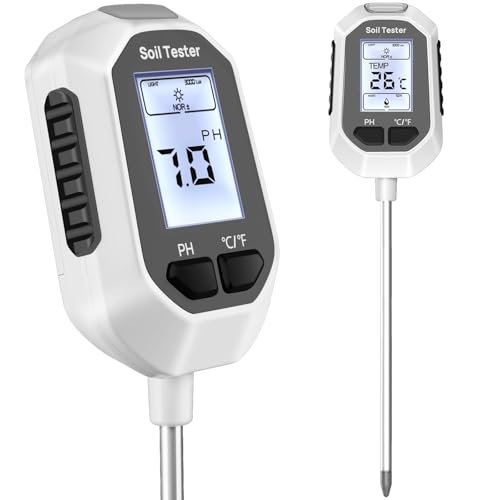
1 Immediately stop watering and allow the soil to dry out significantly. Use a moisture meter to monitor the soil depth and ensure the root zone is not staying saturated.
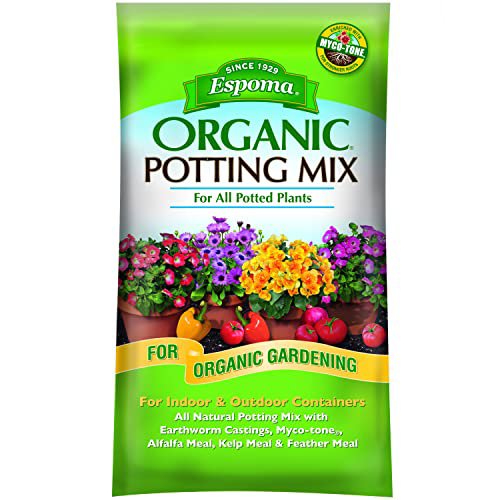
2 Repot the plant in a well-draining medium by mixing existing soil with perlite or horticultural perlite to increase aeration and prevent future root suffocation.
3 Inspect the roots for any signs of dark, mushy decay; trim away any damaged roots using sterilized pruning shears to prevent further spread of rot.
error

Nitrogen Deficiency

As a fast-growing tropical shrub, Abutilon has high nutrient demands. A lack of nitrogen causes older leaves to turn uniformly pale yellow before eventually dropping from the plant.

Very Common
lightbulb
How to confirm: Check if the yellowing is starting on the oldest, bottom leaves first and consider applying a balanced NPK fertilizer.
build How to fix it
shopping_cart Recommended Products
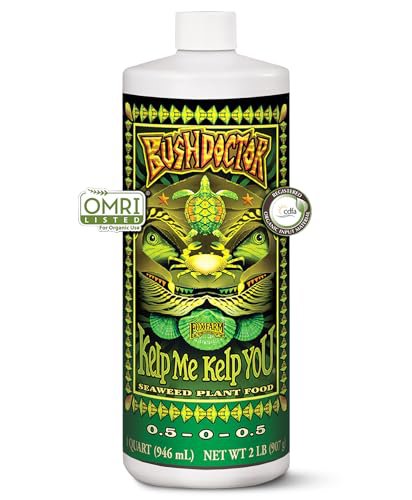
1 Apply a nitrogen-rich liquid fertilizer to provide immediate nutrient uptake for the plant.
2 Incorporate an organic soil amendment like worm castings into the top layer of soil to provide long-term, slow-release nitrogen.
3 Monitor soil moisture levels with a meter to ensure the plant can effectively absorb the newly applied nutrients.
warning

Iron Chlorosis (Nutrient Lockout)

If the soil pH becomes too alkaline, Abutilon cannot absorb iron. This results in interveinal chlorosis, where leaves turn yellow while the veins remain distinctively green.

Common
lightbulb
How to confirm: Inspect new growth for yellowing leaves with dark green veins and check if your tap water is particularly hard/alkaline.
build How to fix it
shopping_cart Recommended Products
1 Test your soil pH to confirm alkalinity; if the pH is above 7.0, the plant is experiencing nutrient lockout.
2 Apply a chelated iron supplement or a specialized fertilizer to bypass the lockout and provide accessible iron to the roots.
3 Amend the soil with organic matter or acidifying amendments to lower the pH and restore nutrient availability.
warning

Temperature Stress (Cold Shock)

Abutilon striatum is sensitive to frost and sudden temperature drops. Cold stress disrupts metabolic processes, causing the foliage to lose chlorophyll and turn yellow.

Common
lightbulb
How to confirm: Check for recent sudden drops in nighttime temperatures or if the plant is positioned near a cold window draft.
build How to fix it
shopping_cart Recommended Products
1 Move the plant to a warmer, stable environment away from cold drafts or windows to prevent further metabolic disruption.
2 Monitor soil moisture closely, as cold temperatures can slow evaporation and lead to root rot; use a moisture meter to ensure the soil isn't staying too wet.
3 Once the plant stabilizes, apply a diluted liquid seaweed fertilizer to help boost nutrient uptake and support recovery from the stress.

Other Abutilon striatum problems

Your plant might also be experiencing one of these issues:

local_hospital All symptoms eco All plants with yellow leaves
favorite