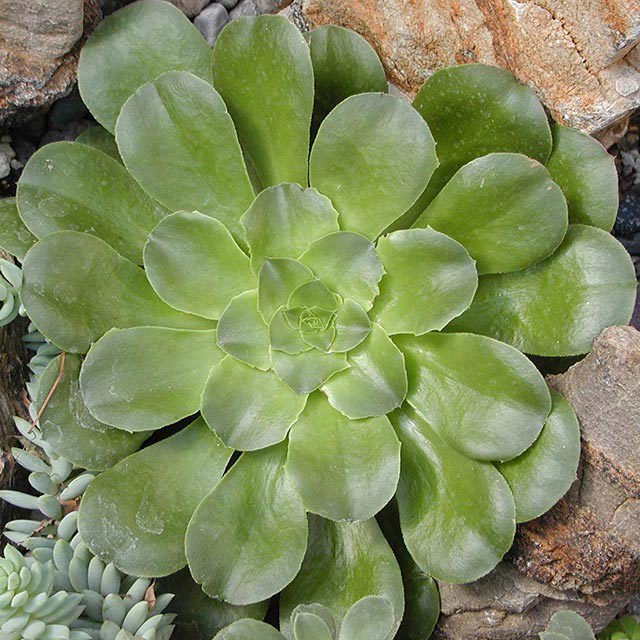
Aeonium arboreum Drooping Leaves
eco Drooping Leaves

Aeonium arboreum – Drooping Leaves

Why does your Aeonium arboreum have drooping leaves? Diagnose the cause and fix it with our step-by-step guide.

search Possible Causes

error

Overwatering and Root Rot

Excessive moisture in the substrate leads to oxygen deprivation in the roots, causing fungal pathogens like Phytophthora to rot the root system. When roots decay, they can no longer transport water upward, resulting in wilted or drooping leaves despite wet soil.

Very Common
lightbulb
How to confirm: Gently lift the plant from its pot to check if the roots are dark, mushy, or emit a foul odor.
build How to fix it
shopping_cart Recommended Products
1 Immediately remove the plant from its current container and trim away any mushy, blackened, or foul-smelling roots caused by rot.
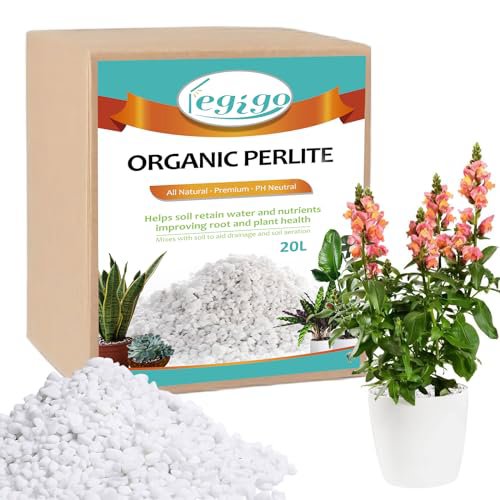
2 Repot the Aeonium in a well-draining, gritty substrate to ensure oxygen reaches the roots and prevent future waterlogging.
3 Use a moisture meter to monitor the substrate, ensuring you only water when the soil is completely dry to avoid repeating the overwatering cycle.
error

Dehydration (Underwatering)

As a succulent, Aeonium relies on turgor pressure within its leaves for structure. If the soil has dried out completely for an extended period, the plant will lose moisture to the air, causing the rosette to lose its firmness and droop.

Very Common
lightbulb
How to confirm: Check the moisture level deep in the pot; if it is bone dry and the leaves feel thin or wrinkled, the plant needs water.
build How to fix it
shopping_cart Recommended Products
1 Immediately check the soil moisture level using a probe to confirm the depth of dehydration.
2 Thoroughly soak the soil with water until it drains from the bottom, ensuring the root ball is fully saturated to restore turgor pressure.
3 Ensure the plant is in a well-draining container with a saucer to prevent water from pooling and causing rot after the rehydration.
warning

Temperature Stress (Heat/Cold)

Extreme heat can cause rapid transpiration that exceeds the plant's water uptake capacity, while sudden frost can damage cell walls. Aeonium prefers cool-to-moderate temperatures and may droop as a physiological response to thermal stress.

Common
lightbulb
How to confirm: Observe if the drooping coincided with a recent heatwave or a drop in nighttime temperatures below freezing.
build How to fix it
shopping_cart Recommended Products
1 Move the plant to a shaded area or a location with more stable, moderate temperatures to prevent further thermal shock.
2 Monitor soil moisture levels closely using a moisture meter to ensure the plant is not also suffering from dehydration due to heat-induced transpiration.
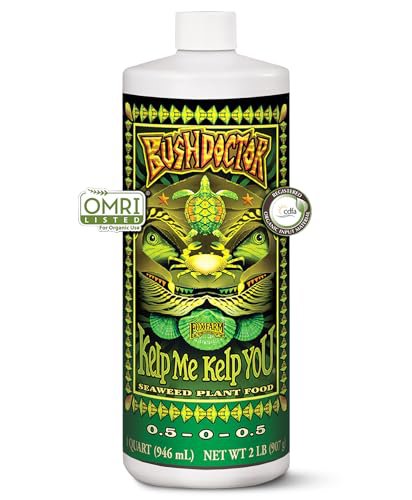
3 Apply a liquid seaweed fertilizer to help the plant recover from environmental stress and boost nutrient uptake.
warning

Nutrient Deficiency (Nitrogen)

A lack of essential macronutrients, particularly nitrogen, prevents the plant from maintaining healthy cell structures and chlorophyll production. This often manifests as a loss of vigor and a downward slump in the rosette.

Common
lightbulb
How to confirm: Look for pale or yellowish leaves in addition to the drooping to confirm a nutritional issue.
build How to fix it
shopping_cart Recommended Products
1 Apply a nitrogen-rich liquid fertilizer to boost chlorophyll production and restore leaf structure.
2 Check the soil moisture levels with a meter to ensure the drooping isn't actually caused by underwatering.
3 Ensure the plant is receiving adequate sunlight, as insufficient light can also cause a loss of vigor in Aeoniums.

Other Aeonium arboreum problems

Your plant might also be experiencing one of these issues:

local_hospital All symptoms eco All plants with drooping leaves
favorite