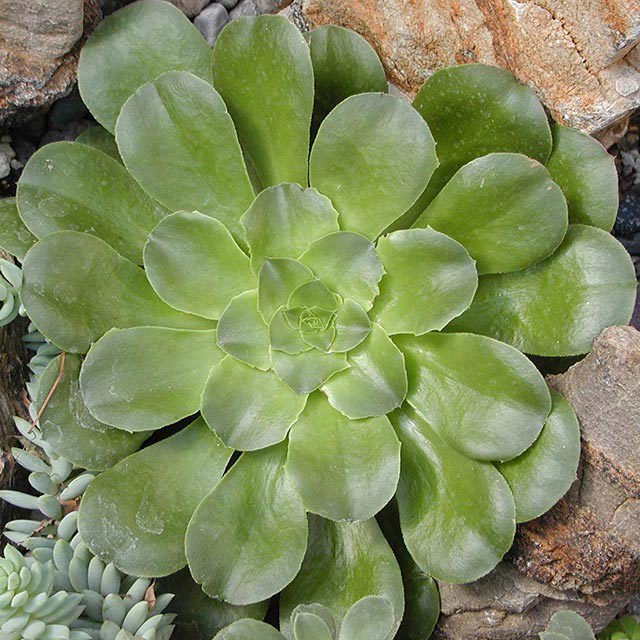
Aeonium arboreum Yellow Leaves
eco Yellow Leaves

Aeonium arboreum – Yellow Leaves

Why does your Aeonium arboreum have yellow leaves? Diagnose the cause and fix it with our step-by-step guide.

search Possible Causes

error

Overwatering and Root Rot

Aeoniums are succulents that store water in their leaves; excessive moisture causes the roots to suffocate and rot, leading to chlorosis (yellowing) as the plant can no longer transport nutrients.

Very Common
lightbulb
How to confirm: Check if the base of the stem or the soil feels mushy and if there is a foul odor coming from the pot.
build How to fix it
shopping_cart Recommended Products
1 Immediately remove the plant from its current container and discard any mushy, black, or foul-smelling roots.
2 Repot the Aeonium in a well-draining succulent mix, incorporating perlite or pumice to improve aeration and prevent future water retention.
3 Use a moisture meter to monitor the soil, ensuring you only water when the substrate is completely dry to the touch.
warning

Nutrient Deficiency (Nitrogen)

A lack of nitrogen prevents the production of chlorophyll, causing older leaves at the bottom of the rosette to turn pale yellow before moving up the stem.

Common
lightbulb
How to confirm: Observe if the yellowing is starting specifically on the oldest, outermost leaves of the rosette.
build How to fix it
shopping_cart Recommended Products
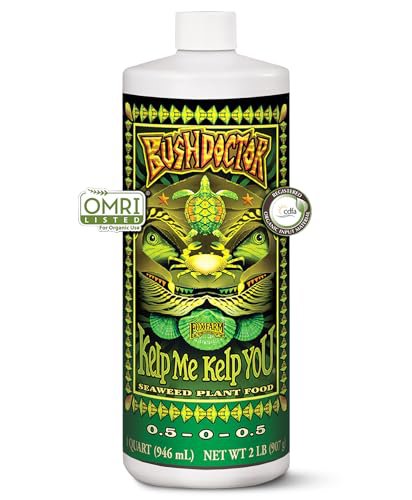
1 Apply a nitrogen-rich organic fertilizer to boost chlorophyll production and restore green color to the leaves.
2 Monitor soil moisture levels using a moisture meter to ensure nitrogen is being delivered effectively without causing root rot.
3 Ensure the plant is in a well-draining potting medium to prevent nutrient leaching and maintain healthy root zones.
warning

Extreme Temperature Stress

While Aeoniums are hardy, exposure to sudden frost or intense, scorching midday sun can damage leaf cells, causing them to lose pigment and turn yellow/translucent.

Common
lightbulb
How to confirm: Check if the yellowing coincided with a recent cold snap or an unprecedented heatwave in your area.
build How to fix it
shopping_cart Recommended Products
1 Relocate the plant to a sheltered location with filtered sunlight to protect it from extreme heat or frost.
2 Monitor soil hydration levels closely during temperature fluctuations to ensure the roots are not drying out or drowning.
3 Apply a diluted liquid seaweed fertilizer to help the plant recover from environmental stress and boost nutrient uptake.
warning

Natural Senescence

As Aeonium arboreum grows, it naturally sheds its oldest, lowest leaves to redirect energy to new growth at the top of the stem.

Common
lightbulb
How to confirm: Verify if the yellowing is isolated only to the very bottom leaves while the top rosette remains vibrant and firm.
build How to fix it
shopping_cart Recommended Products
1 Monitor the plant for any signs of spreading yellowing or soft, mushy leaves, which could indicate overwatering rather than natural aging.
2 Gently remove the naturally yellowing bottom leaves to maintain a clean appearance and prevent potential fungal issues.
3 Ensure the plant continues to receive bright, indirect light to support new growth at the stem apex.

Other Aeonium arboreum problems

Your plant might also be experiencing one of these issues:

local_hospital All symptoms eco All plants with yellow leaves
favorite