Aeonium sedifolium Leggy Stems
eco Leggy Stems

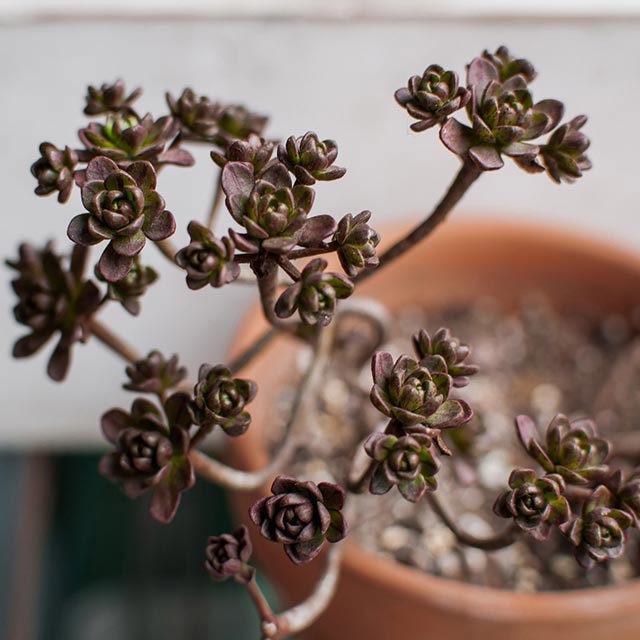
Aeonium sedifolium – Leggy Stems

Why does your Aeonium sedifolium have leggy stems? Diagnose the cause and fix it with our step-by-step guide.

pets Pet Friendly

search Possible Causes

error

Insufficient Light (Etiolation)

Aeonium sedifolium are succulents that require bright, direct light to maintain their compact rosette shape. When light levels are low, the plant stretches its internodes rapidly toward the nearest light source to maximize photosynthesis.

Very Common
lightbulb
How to confirm: Observe if the distance between leaf rosettes is increasing and if the leaves appear paler than usual.
build How to fix it
shopping_cart Recommended Products
1 Move your Aeonium to a location that receives bright, direct sunlight for several hours a day to stop the stems from stretching.
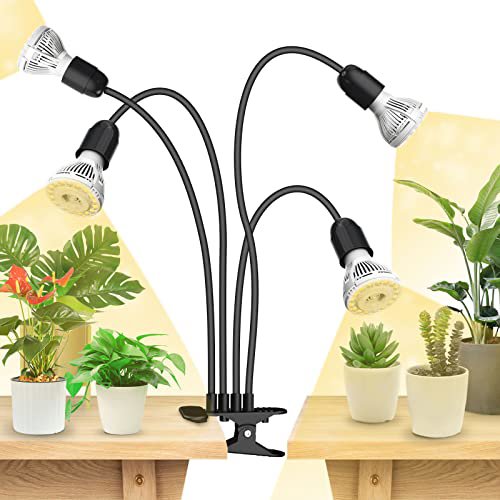
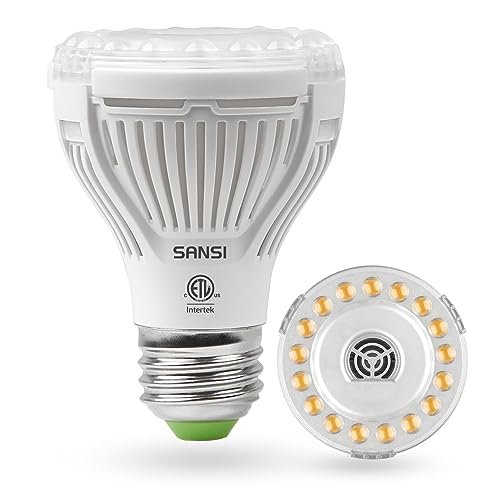
2 If natural light is insufficient, supplement with a full-spectrum LED grow light to provide the necessary intensity for a compact rosette shape.
3 Prune the elongated, leggy stems using sharp shears to encourage new, denser growth from the base.
warning

Excessive Nitrogen Fertilization

High levels of nitrogen in the soil can trigger rapid, succulent growth that lacks structural integrity. This results in weak, elongated stems that cannot support the weight of the developing rosettes.

Common
lightbulb
How to confirm: Check if you have recently applied a fertilizer with a high first number (N) in the N-P-K ratio.
build How to fix it
shopping_cart Recommended Products
1 Flush the soil with plenty of fresh, room-temperature water to leach out excess nitrogen salts from the growing medium.
2 Repot the Aeonium in a well-draining succulent mix containing perlite to improve aeration and prevent further nitrogen-induced soft growth.
3 Increase light exposure by moving the plant to a brighter location or using a full-spectrum grow light to encourage more compact, sturdy growth.
warning

Inappropriate Watering Regimen

While succulents need water, frequent watering combined with low light can cause soft, rapid growth. This 'lush' growth is structurally weaker and more prone to stretching than growth achieved during a controlled dry period.

Common
lightbulb
How to confirm: Check if the soil remains damp for extended periods between waterings.
build How to fix it
shopping_cart Recommended Products
1 Increase light exposure by moving your Aeonium to a brighter location or using a full-spectrum grow light to prevent further stretching.
2 Adjust your watering schedule to allow the soil to dry out completely between waterings, preventing the soft, rapid growth caused by overwatering.
3 Prune the elongated, weak stems to encourage a more compact, rosette-forming growth habit.

Other Aeonium sedifolium problems

Your plant might also be experiencing one of these issues:

local_hospital All symptoms eco All plants with leggy stems
favorite