Aglaonema commutatum Pseudobracteatum Leggy Stems
eco Leggy Stems

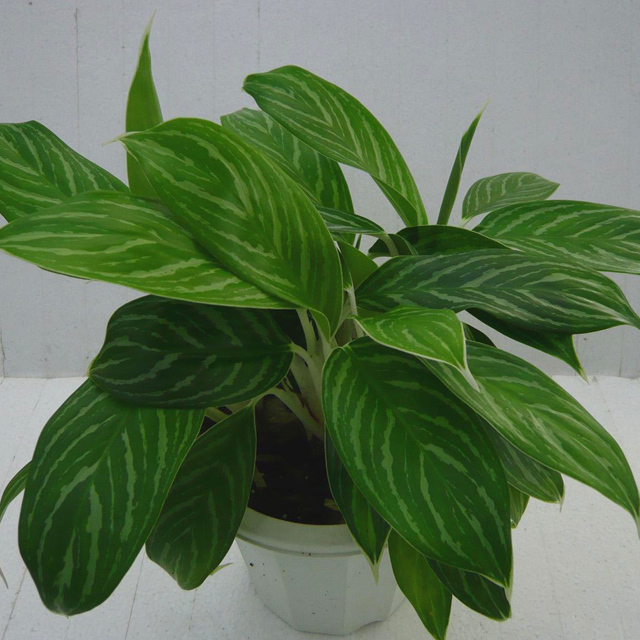
Aglaonema commutatum Pseudobracteatum – Leggy Stems

Why does your Aglaonema commutatum Pseudobracteatum have leggy stems? Diagnose the cause and fix it with our step-by-step guide.

search Possible Causes

error

Insufficient Light Intensity

Aglaonema species are shade-tolerant, but extreme low light forces the plant to undergo etiolation, stretching stems toward the nearest light source to increase photosynthetic surface area.

Very Common
lightbulb
How to confirm: Check if the leaves are significantly paler than usual and if the internodes (space between leaves) appear unusually long.
build How to fix it
shopping_cart Recommended Products
1 Move your Chinese Evergreen to a spot with brighter, indirect light to stop the stems from stretching further.
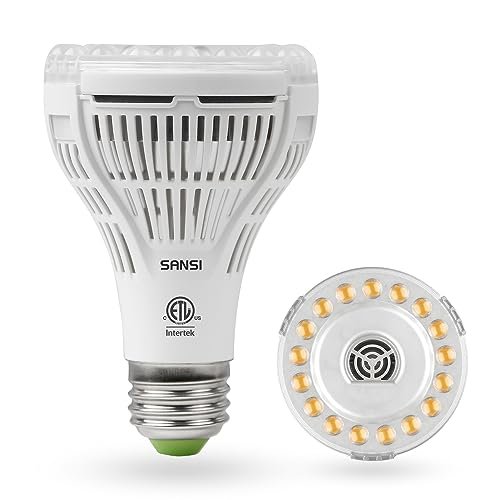
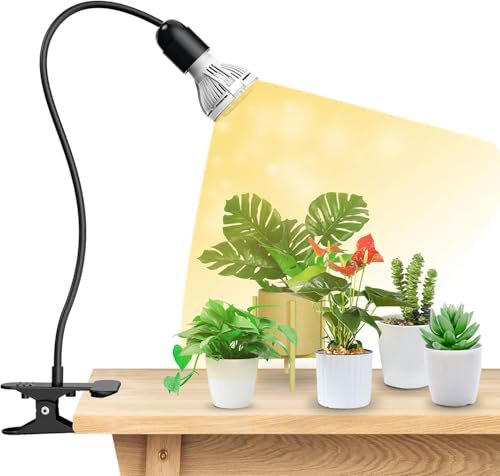
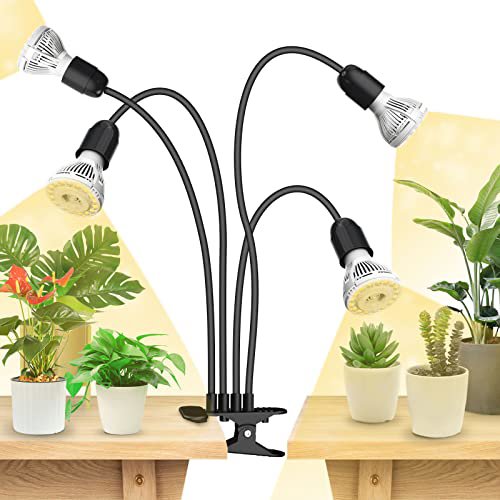
2 Supplement with a full-spectrum grow light to provide the necessary intensity for healthy, compact growth.
3 Prune the excessively long, leggy stems using sharp shears to encourage a fuller, more compact shape.
warning

Inadequate Humidity

Low ambient humidity can cause cells to lose turgor pressure, making stems appear weak, floppy, or unable to support the weight of the foliage effectively.

Common
lightbulb
How to confirm: Monitor if the leaf tips are also turning brown and crispy alongside the stretching stems.
build How to fix it
shopping_cart Recommended Products
1 Increase ambient humidity around the plant by using a pebble tray or a humidifier to prevent moisture loss from the stems.
2 Mist the foliage regularly with a fine spray to provide immediate surface hydration.
3 Ensure the plant is receiving appropriate indirect light to maintain structural strength without causing dehydration.
warning

Overwatering and Root Decay

Excessive moisture leads to oxygen deprivation in the substrate, causing root rot which compromises the plant's structural integrity and ability to support upright growth.

Common
lightbulb
How to confirm: Gently lift the pot to check for a heavy, soggy weight or inspect the roots for dark, mushy textures.
build How to fix it
shopping_cart Recommended Products
1 Immediately inspect the roots for mushy, dark brown, or foul-smelling decay and prune away any damaged sections using sterilized tools.
2 Repot the plant in a fresh, well-draining medium like a mix containing perlite to improve aeration and prevent future oxygen deprivation.
3 Use a moisture meter to monitor the substrate, ensuring you only water when the top inch of soil is dry to avoid further overwatering.
warning

Nutrient Deficiency (Nitrogen)

A lack of available nitrogen can result in spindly, weak growth as the plant lacks the necessary components to build strong cellular structures and chlorophyll.

Common
lightbulb
How to confirm: Observe if the older, lower leaves are turning pale yellow while the new growth remains thin and weak.
build How to fix it
shopping_cart Recommended Products
1 Apply a nitrogen-rich liquid fertilizer to stimulate lush, leafy growth and strengthen cellular structures.
2 Monitor the plant's light exposure to ensure it is receiving bright, indirect light, as insufficient light can also cause leggy growth.
3 Prune any excessively long or weak stems to encourage a more compact and bushy growth habit.

Other Aglaonema commutatum Pseudobracteatum problems

Your plant might also be experiencing one of these issues:

local_hospital All symptoms eco All plants with leggy stems
favorite