Allium cepa Tough Ball F1 Drooping Leaves
eco Drooping Leaves

Allium cepa Tough Ball F1 – Drooping Leaves

Why does your Allium cepa Tough Ball F1 have drooping leaves? Diagnose the cause and fix it with our step-by-step guide.

search Possible Causes

error

Water Stress (Drought or Overwatering)

Onions have shallow root systems and are highly sensitive to moisture fluctuations. Drought causes loss of turgor pressure in the leaves, while waterlogged soil leads to root asphyxiation and reduced nutrient uptake.

Very Common
lightbulb
How to confirm: Insert your finger 2 inches into the soil; if it is bone dry or muddy, moisture levels are improper.
build How to fix it
shopping_cart Recommended Products
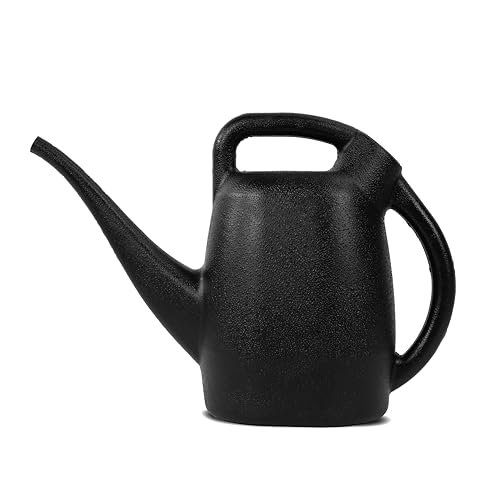
1 Check the soil moisture level at the root zone using a moisture meter to determine if the soil is bone dry or waterlogged.
2 If the soil is dry, apply water deeply and evenly to the base of the plant; if the soil is saturated, allow it to dry out completely before next watering.
3 Ensure the planting area has excellent drainage to prevent root asphyxiation, potentially adding perlite to the soil to improve aeration.
warning

Purple Blotch (Alternaria porri)

This fungal pathogen causes lesions on the leaves that can lead to localized tissue collapse and drooping. It thrives in humid conditions with frequent leaf wetting.

Common
lightbulb
How to confirm: Look for small, water-soaked spots that develop purple-to-black borders on the onion leaves.
build How to fix it
shopping_cart Recommended Products
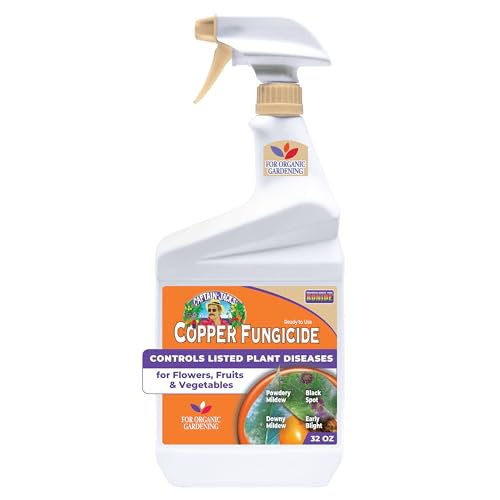
1 Apply a fungicide to control the spread of the Alternaria porri pathogen and prevent further leaf lesions.
2 Improve air circulation around the plants and avoid overhead watering to keep the leaves dry, as moisture promotes fungal growth.
3 Remove and destroy any heavily infected plant debris to prevent the pathogen from overwintering in the soil.
warning

Onion Thrips (Thrips tabaci)

Thrips feed on the leaf epidermis by piercing cells and sucking out contents, causing the leaves to wilt, pale, and eventually droop. High populations can cause significant structural collapse of the foliage.

Common
lightbulb
How to confirm: Gently shake a drooping leaf over a white piece of paper to see if tiny, slender insects emerge.
build How to fix it
shopping_cart Recommended Products
1 Apply an organic insecticide to eliminate the thrips population and prevent further feeding on the leaf epidermis.
2 Monitor the soil moisture levels to ensure the drooping is not exacerbated by dehydration, using a moisture meter for accuracy.
3 Inspect the undersides of the leaves for any remaining larvae or adult insects to ensure the infestation is under control.
warning

Nitrogen Deficiency

Onions require high nitrogen for bulb and leaf development; a lack of nitrogen prevents the leaves from maintaining structural integrity. This often manifests as a general weakening and drooping of the foliage.

Common
lightbulb
How to confirm: Check if the drooping leaves are also exhibiting a pale, yellowish color across the entire plant.
build How to fix it
shopping_cart Recommended Products
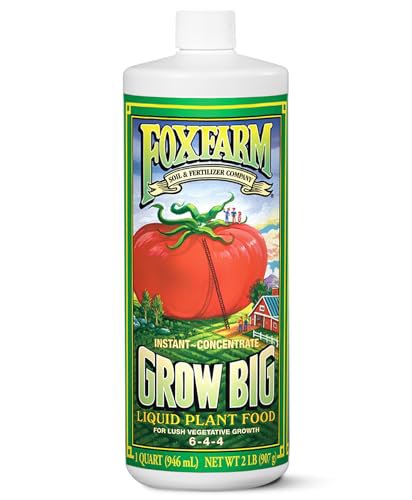
1 Apply a nitrogen-rich liquid fertilizer to the soil to quickly boost nutrient uptake and restore leaf structural integrity.
2 Incorporate an organic nitrogen source like blood meal into the soil to provide a sustained release of nutrients for bulb development.
3 Monitor soil moisture levels using a moisture meter to ensure the nitrogen-rich nutrients are being effectively transported to the roots.

Other Allium cepa Tough Ball F1 problems

Your plant might also be experiencing one of these issues:

local_hospital All symptoms eco All plants with drooping leaves
favorite