Allium cepa Tough Ball F1 Tiny Black Flies
eco Tiny Black Flies

Allium cepa Tough Ball F1 – Tiny Black Flies

Why does your Allium cepa Tough Ball F1 have tiny black flies? Diagnose the cause and fix it with our step-by-step guide.

search Possible Causes

error

Fungus Gnats (Sciaridae)

The larvae of fungus gnats live in the moist, organic-rich topsoil around onion bulbs, feeding on decaying matter and fine root hairs. The adults emerge to lay eggs, often attracted to the high moisture levels required for Allium bulb development.

Very Common
lightbulb
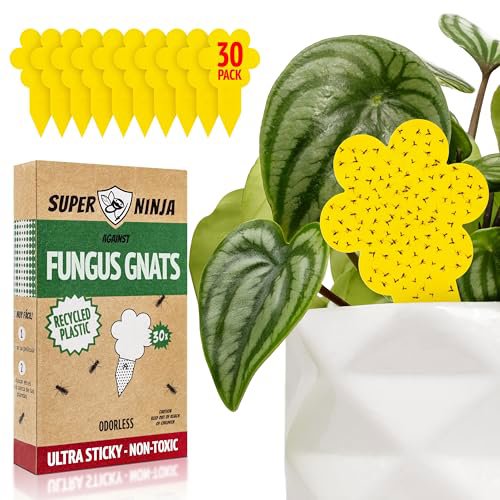
How to confirm: Place a yellow sticky trap near the soil surface to see if small black flies are captured.
build How to fix it
shopping_cart Recommended Products
1 Deploy yellow sticky traps to capture adult flies and prevent further egg-laying in the soil.
2 Reduce watering frequency and allow the top inch of soil to dry out to disrupt the larvae's moist habitat.
3 Apply a biological control or organic spray to target the larvae and adult stages of the gnats.
warning

Onion Seedling Blight (secondary attraction)

While not caused by flies, fungal pathogens like Pythium or Fusarium can cause damping-off; the resulting decaying plant tissue and increased soil moisture attract scavenging flies.

Common
lightbulb
How to confirm: Inspect the base of the onion stems for any signs of soft, dark, or water-soaked lesions.
build How to fix it
shopping_cart Recommended Products
1 Apply an organic fungicide to treat the underlying fungal pathogens and prevent further damping-off of the seedlings.
2 Deploy yellow sticky traps to capture and reduce the population of the adult black flies.
3 Reduce soil moisture and improve aeration by incorporating perlite into the growing medium to prevent the damp conditions that attract pests and fungi.
warning

Blackberry/Fruit Fly (Drosophilidae)

If the onions are in an area with decomposing organic mulch or nearby rotting fruit, these flies may be present in the vicinity of the Allium crop, though they do not feed directly on the onion bulbs.

Common
lightbulb
How to confirm: Check if there is any overripe fruit or fermenting organic matter in the immediate planting bed.
build How to fix it
shopping_cart Recommended Products
1 Remove any nearby rotting fruit, overripe vegetables, or decomposing organic mulch to eliminate the primary breeding source for these flies.
2 Deploy yellow sticky traps near the onion crop to capture adult flies and monitor the population levels.
3 Ensure the soil surface is clean and avoid overwatering, as excess moisture in organic matter can attract fruit flies.

Other Allium cepa Tough Ball F1 problems

Your plant might also be experiencing one of these issues:

local_hospital All symptoms eco All plants with tiny black flies
favorite