Allium fistulosum Feast Brown Leaf Tips
eco Brown Leaf Tips

Allium fistulosum Feast – Brown Leaf Tips

Why does your Allium fistulosum Feast have brown leaf tips? Diagnose the cause and fix it with our step-by-step guide.

search Possible Causes

error

Salt Accumulation (Salinity Stress)

Alliums are sensitive to high levels of sodium or chloride in the soil. Excess fertilizer salts draw moisture out of the leaf tips via osmosis, causing them to desiccate and turn brown.

Very Common
lightbulb
How to confirm: Check if you have recently applied high-nitrogen fertilizers or if the plant is being grown in a container with hard water buildup.
build How to fix it
shopping_cart Recommended Products
1 Flush the soil thoroughly with large amounts of fresh, low-salt water to leach accumulated mineral salts away from the root zone.
2 Check the current soil moisture levels to ensure you are not overwatering, which can exacerbate salt movement, using a moisture meter.
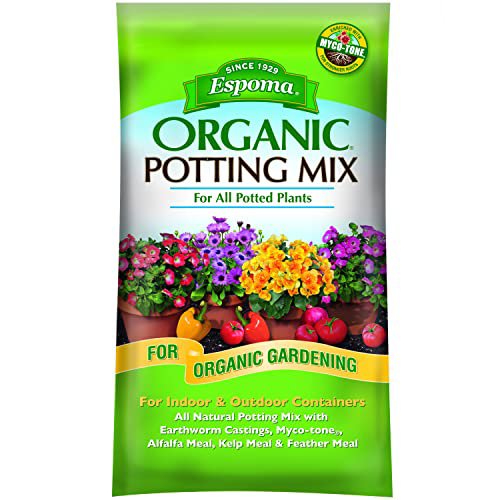
3 Repot the plant in fresh, high-quality potting soil to completely remove the salt-laden medium and provide a clean environment.
error

Inconsistent Soil Moisture

Bunching onions require consistent moisture to maintain turgor pressure. Rapid fluctuations between bone-dry soil and saturated soil cause the delicate leaf extremities to die back.

Very Common
lightbulb
How to confirm: Stick your finger an inch into the soil to see if it undergoes extreme drying cycles between waterings.
build How to fix it
shopping_cart Recommended Products
1 Monitor soil moisture levels daily using an analog meter to ensure the soil stays consistently damp but not waterlogged.
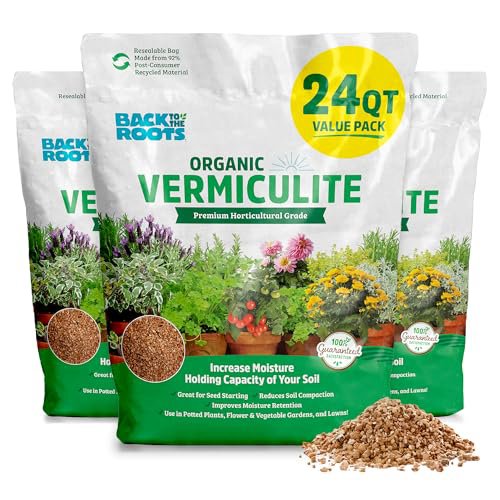
2 Apply a consistent watering schedule and consider using a self-watering system or moisture-retaining amendments like vermiculite to prevent rapid drying.
3 Mulch the base of the onion plants with organic matter to help regulate soil temperature and reduce evaporation.
warning

Anthracnose (Colletotrichum species)

This fungal pathogen can cause necrotic lesions and browning on onion leaves, especially in humid conditions. It often starts at the tips or edges of the foliage.

Common
lightbulb
How to confirm: Inspect the base of the brown tips for any signs of sunken, dark spots or fungal spore masses.
build How to fix it
shopping_cart Recommended Products
1 Remove and destroy all infected plant material and debris to prevent the fungal spores from spreading to healthy foliage.
2 Apply an organic fungicide to protect the remaining healthy leaves from further infection.
3 Improve air circulation around the plants and avoid overhead watering to reduce the humidity that promotes Anthracnose growth.
warning

Nitrogen Deficiency

While nitrogen deficiency often presents as general yellowing (chlorosis), severe deficiency can lead to the senescence and browning of older leaf tips as the plant mobilizes nutrients to new growth.

Common
lightbulb
How to confirm: Observe if the browning is progressing from the oldest, bottom leaves upward toward the newer growth.
build How to fix it
shopping_cart Recommended Products
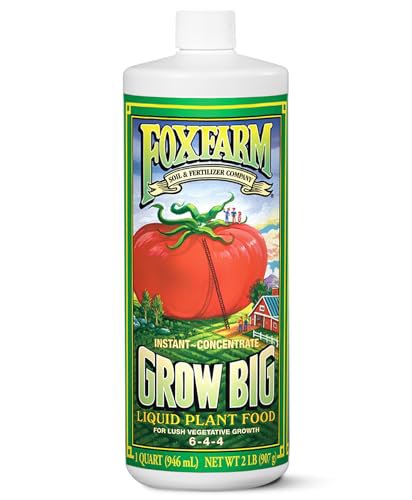
1 Apply a nitrogen-rich liquid fertilizer to provide immediate nutrient uptake and help green up the developing leaves.
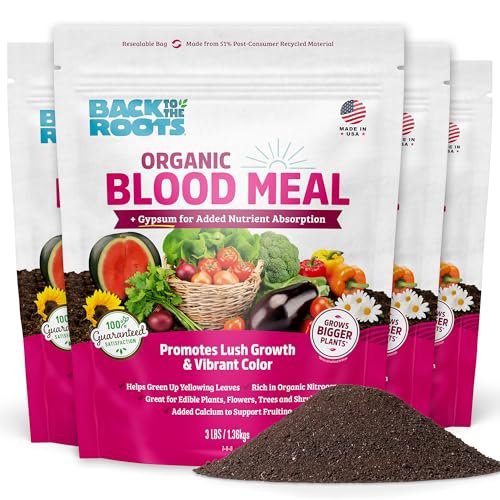
2 Supplement the soil with an organic nitrogen source like blood meal to ensure a steady, long-term release of nutrients.
3 Monitor soil moisture levels using a moisture meter to ensure the plant is not experiencing drought stress, which can mimic tip burn.

Other Allium fistulosum Feast problems

Your plant might also be experiencing one of these issues:

local_hospital All symptoms eco All plants with brown leaf tips
favorite