Allium fistulosum Feast Leggy Stems
eco Leggy Stems

Allium fistulosum Feast – Leggy Stems

Why does your Allium fistulosum Feast have leggy stems? Diagnose the cause and fix it with our step-by-step guide.

search Possible Causes

error

Insufficient Light Exposure

In Allium fistulosum, lack of sunlight causes etiolation, where the plant stretches its stems rapidly to search for light, resulting in weak, pale, and elongated growth. This is common when growing indoors or under insufficient grow light coverage.

Very Common
lightbulb
How to confirm: Observe if the leaves are significantly lighter in color than healthy plants and if they are leaning toward a specific light source.
build How to fix it
shopping_cart Recommended Products
1 Move your plant to a brighter location, such as a south-facing window, to provide more natural sunlight.
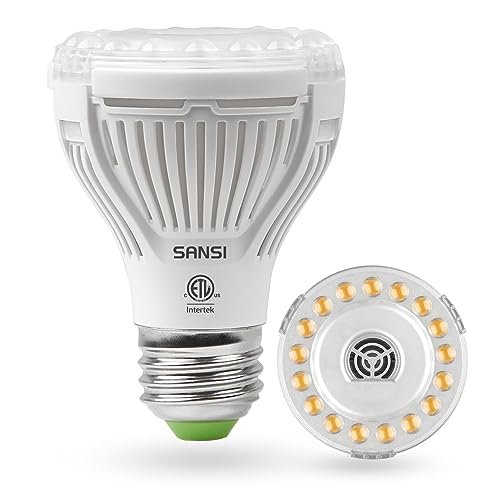
2 Supplement with a full-spectrum grow light to ensure the plant receives adequate light intensity for sturdy growth.
3 Use a plant light with adjustable height to maintain a consistent distance from the stretching stems.
warning

Excessive Nitrogen Fertilization

High levels of nitrogen can stimulate rapid vegetative growth, causing the onion's tubular leaves to grow too fast for the structural integrity of the cell walls. This results in succulent, floppy, and leggy stems that lack stability.

Common
lightbulb
How to confirm: Check your recent fertilizer application frequency and look for very dark green but structurally weak foliage.
build How to fix it
shopping_cart Recommended Products
1 Immediately cease all nitrogen-rich fertilization to prevent further rapid, weak growth.
2 Flush the soil with plenty of fresh water to leach out excess nitrogen salts from the root zone.
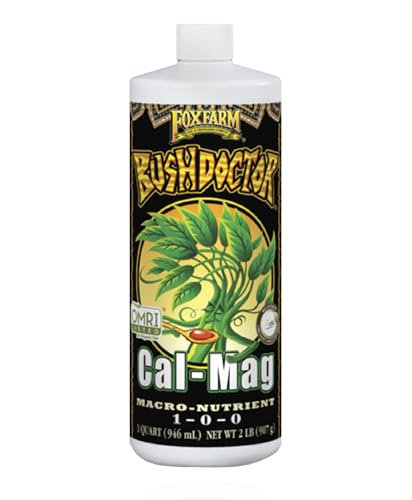
3 Apply a balanced or low-nitrogen supplement like FoxFarm Cal Mag to help strengthen cell walls and improve structural integrity.
warning

Overwatering and Poor Drainage

Consistent moisture in the substrate can lead to oxygen depletion in the root zone, causing soft growth. When roots struggle to breathe, the plant's structural development is compromised, leading to limp and elongated stems.

Common
lightbulb
How to confirm: Press your finger into the soil to check for constant dampness and inspect the base of the plant for any signs of mushiness.
build How to fix it
shopping_cart Recommended Products
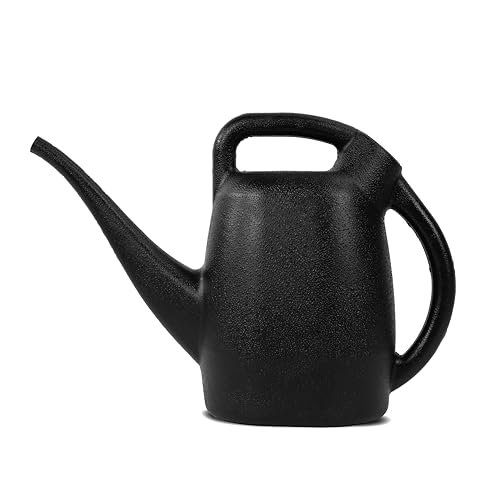
1 Check the soil moisture levels immediately using a moisture meter to ensure the substrate is not staying saturated.
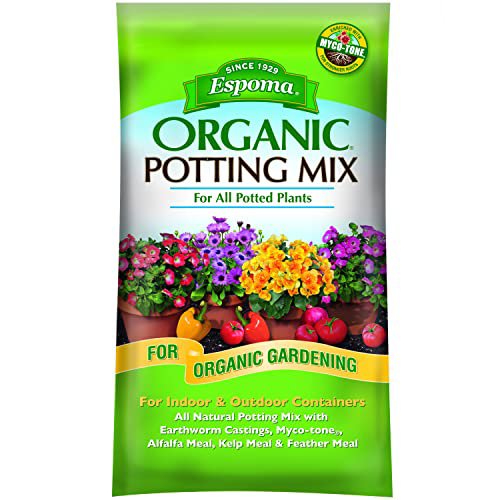
2 Repot the plant in a well-draining medium and ensure the container has adequate drainage holes to prevent water pooling.
3 Add horticultural perlite to your existing soil to improve aeration and prevent future oxygen depletion in the root zone.
info

Temperature Stress (High Heat)

Excessive warmth can accelerate the metabolic rate of bunching onions, causing them to bolt or stretch prematurely. This rapid growth cycle prevents the development of dense, sturdy leaf bases.

Rare
lightbulb
How to confirm: Monitor ambient temperatures and check if the legginess coincided with a recent heatwave or lack of night-time cooling.
build How to fix it
shopping_cart Recommended Products
1 Relocate the plant to a cooler area or provide afternoon shade to reduce metabolic acceleration caused by high heat.
2 Increase ambient humidity and maintain consistent soil moisture to mitigate heat-induced stress.
3 Monitor soil moisture levels closely to ensure the plant does not experience rapid drying cycles during heat waves.

Other Allium fistulosum Feast problems

Your plant might also be experiencing one of these issues:

local_hospital All symptoms eco All plants with leggy stems
favorite