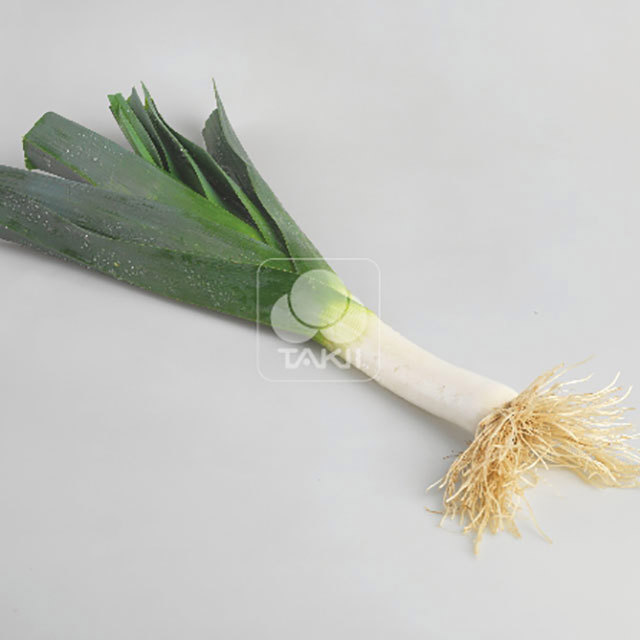
Allium porrum Mako Bello F1 Drooping Leaves
eco Drooping Leaves

Allium porrum Mako Bello F1 – Drooping Leaves

Why does your Allium porrum Mako Bello F1 have drooping leaves? Diagnose the cause and fix it with our step-by-step guide.

search Possible Causes

error

Water Stress (Drought or Waterlogging)

Leeks have shallow root systems and require consistent moisture to maintain turgor pressure in their fleshy leaves. Both extreme dehydration and saturated soil can lead to loss of structural integrity, causing the leaves to wilt.

Very Common
lightbulb
How to confirm: Stick your finger 2 inches into the soil; if it is bone dry, the plant needs water, but if it is muddy, you are overwatering.
build How to fix it
shopping_cart Recommended Products
1 Check the soil moisture level immediately using a moisture meter to determine if the soil is bone-dry or completely saturated.
2 If the soil is dry, apply water deeply and evenly to the base of the plant; if waterlogged, ensure the pot has proper drainage or use a saucer to collect excess runoff.
3 To prevent future fluctuations, amend your soil with perlite to improve aeration and drainage, or add coco coir to increase water retention.
warning

Leek Peronospora destructor (Downy Mildew)

This fungal pathogen causes chlorosis and subsequent drooping of the leaves. In humid conditions, you may also notice yellowish patches or even grayish fungal growth on the leaf surface.

Common
lightbulb
How to confirm: Inspect the underside of the drooping leaves for any fuzzy, grayish-white fungal growth.
build How to fix it
shopping_cart Recommended Products
1 Apply an organic fungicide to control the spread of the Downy Mildew pathogen and protect healthy leaf tissue.
2 Improve air circulation around the leeks and avoid overhead watering to reduce the humidity that promotes fungal growth.
3 Remove and dispose of heavily infected leaves immediately to prevent the pathogen from spreading to healthy plants.
warning

Nitrogen Deficiency

Leeks are heavy feeders that require significant nitrogen for leaf development. A lack of nitrogen causes older leaves to turn pale green or yellow and lose their upright strength, leading to drooping.

Common
lightbulb
How to confirm: Observe if the yellowing starts at the tips of the oldest leaves and check if your recent fertilization schedule has been interrupted.
build How to fix it
shopping_cart Recommended Products
1 Apply a nitrogen-rich liquid fertilizer to provide immediate nutrient uptake for leaf revitalization.
2 Incorporate an organic nitrogen source into the soil to support long-term, sustained growth.
3 Monitor soil moisture levels to ensure the nitrogen is being effectively transported to the roots.
warning

Temperature Stress (Heat Exhaustion)

High ambient temperatures cause rapid transpiration that exceeds the plant's ability to pull water from the roots. This physiological response results in temporary wilting during the hottest parts of the day.

Common
lightbulb
How to confirm: Monitor if the leaves recover and stand upright again during the cooler evening or early morning hours.
build How to fix it
shopping_cart Recommended Products
1 Move the plant to a cooler, shaded location during the hottest parts of the day to reduce transpiration rates and prevent further heat exhaustion.
2 Monitor soil moisture levels closely to ensure the plant remains hydrated, using a moisture meter to prevent the soil from drying out completely during heat waves.
3 Apply a mulch layer around the base of the plant to help regulate soil temperature and retain essential moisture in the root zone.

Other Allium porrum Mako Bello F1 problems

Your plant might also be experiencing one of these issues:

local_hospital All symptoms eco All plants with drooping leaves
favorite