Allium porrum Mako Bello F1 Tiny Black Flies
eco Tiny Black Flies

Allium porrum Mako Bello F1 – Tiny Black Flies

Why does your Allium porrum Mako Bello F1 have tiny black flies? Diagnose the cause and fix it with our step-by-step guide.

search Possible Causes

error

Fungus Gnats (Sciarid flies)

The tiny black flies are likely fungus gnats, whose larvae live in the upper layers of moist soil and feed on organic matter or root fine hairs. In leek cultivation, high moisture levels required for Allium porrum can trigger outbreaks that damage young seedling roots.

Very Common
lightbulb
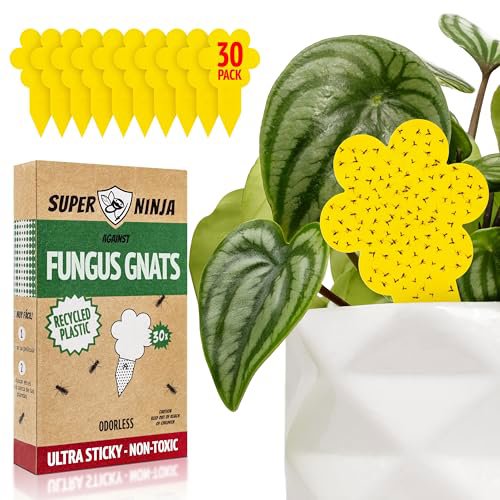
How to confirm: Place a yellow sticky trap near the base of the leeks to confirm the presence of flying adults.
build How to fix it
shopping_cart Recommended Products
1 Deploy yellow sticky traps to capture the adult flying gnats and break the reproductive cycle.
2 Allow the top layer of soil to dry out more between waterings to make the environment less hospitable for larvae.
3 Apply a biological control or organic spray to target the larvae in the soil and protect the delicate leek roots.
warning

Blackberry/Onion Maggot (Delia species)

While the flies themselves are seen above ground, they belong to families that lay eggs near the base of Allium crops. The larvae migrate into the fleshy white part of the leek, causing hollowed-out stems and rot.

Common
lightbulb
How to confirm: Inspect the base of the leek stalks for any small larvae or signs of internal tunneling.
build How to fix it
shopping_cart Recommended Products
1 Apply an organic insecticide to eliminate the adult flies and prevent further egg-laying at the base of your leeks.
2 Inspect the base of the leeks for hollow stems or rot; remove and destroy any heavily infested plants immediately to prevent larvae from migrating to healthy crops.
3 Use yellow sticky traps near the soil surface to capture adult flies and monitor the population levels.
warning

Excessive Soil Moisture/Poor Drainage

While not a 'cause' of the flies themselves, overly saturated soil provides the ideal breeding ground for dipteran pests. This environment also predisposes Allium porrum to secondary fungal infections like Botrytis.

Common
lightbulb
How to confirm: Check if the soil surface remains damp for extended periods after watering or rain.
build How to fix it
shopping_cart Recommended Products
1 Reduce watering frequency and allow the top inch of soil to dry out completely to eliminate the moist breeding ground for flies.
2 Apply yellow sticky traps near the soil surface to capture and remove the adult flies from your plant environment.
3 Improve soil aeration by mixing in horticultural perlite to ensure better drainage and prevent future moisture buildup.

Other Allium porrum Mako Bello F1 problems

Your plant might also be experiencing one of these issues:

local_hospital All symptoms eco All plants with tiny black flies
favorite