Aloe erinacea Sticky Leaves
eco Sticky Leaves

Aloe erinacea – Sticky Leaves

Why does your Aloe erinacea have sticky leaves? Diagnose the cause and fix it with our step-by-step guide.

search Possible Causes

error

Scale Insect Infestation

Scale insects attach to the undersides and crevices of Aloe erinacea leaves, secreting honeydew which creates a sticky residue. This sugary substance often attracts secondary molds like sooty mold.

Very Common
lightbulb
How to confirm: Inspect the base of the leaves and leaf axils for small, stationary bumps or brownish scales.
build How to fix it
shopping_cart Recommended Products
1 Treat the infestation immediately with an organic insecticide spray to kill existing scale insects and their eggs.
2 Wipe the sticky residue and any visible insects off the leaves using a soft cloth dipped in soapy water or alcohol.
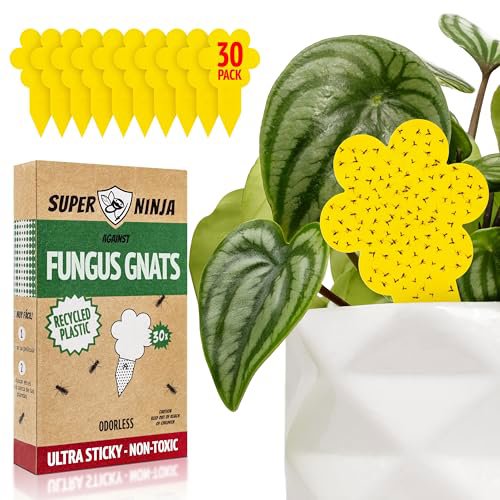
3 Monitor the plant closely for secondary pests or mold, and use yellow sticky traps to capture any emerging flying insects like fungus gnats.
error

Mealybug Infestation

Mealybugs are common pests for succulents like Aloe erinacea that excrete honeydew as they feed on plant sap. You may notice white, cottony masses alongside the sticky residue.

Very Common
lightbulb
How to confirm: Look for tiny white, fluffy clusters in the tight crevices between the fleshy leaves.
build How to fix it
shopping_cart Recommended Products
1 Isolate the plant immediately to prevent the spread of mealybugs to other houseplants and treat the visible white, cottony masses with an organic insecticide.
2 Use a cotton swab dipped in isopropyl alcohol to manually remove individual mealybug clusters from the crevices of the leaves.
3 Wipe the sticky honeydew residue off the leaves with a damp cloth to prevent fungal growth and allow the plant to breathe.
warning

Aphid Infestation

Aphids feed on the tender new growth of the Aloe erinacea, leaving behind sticky honeydew. This can lead to leaf deformation and stunted growth in the center of the rosette.

Common
lightbulb
How to confirm: Check the newest, most succulent leaves for small, soft-bodied insects that are easily wiped away.
build How to fix it
shopping_cart Recommended Products
1 Apply an organic insecticide to eliminate the aphid population and stop the production of honeydew.
2 Wipe the sticky residue off the leaves with a damp cloth to prevent fungal growth and allow the plant to breathe.
3 Inspect the undersides of leaves and new growth regularly to catch any remaining pests.
warning

Sap Leakage (Mechanical Damage)

If the thick, fleshy leaves of the Aloe erinacea have been cracked or punctured by physical damage, the plant's internal sap may leak out and dry into a sticky film.

Common
lightbulb
How to confirm: Examine the leaves for any visible wounds, punctures, or bruising where the sap might be escaping.
build How to fix it
shopping_cart Recommended Products
1 Clean the affected leaves using a soft, damp cloth to remove the dried, sticky sap residue and prevent fungal growth.
2 Inspect the puncture or crack site for any signs of rot or infection; if the wound is deep, you may apply a small amount of cinnamon powder to act as a natural fungicide.
3 Ensure the plant is in a stable environment to prevent further physical impact or movement that could reopen the wound.

Other Aloe erinacea problems

Your plant might also be experiencing one of these issues:

local_hospital All symptoms eco All plants with sticky leaves
favorite