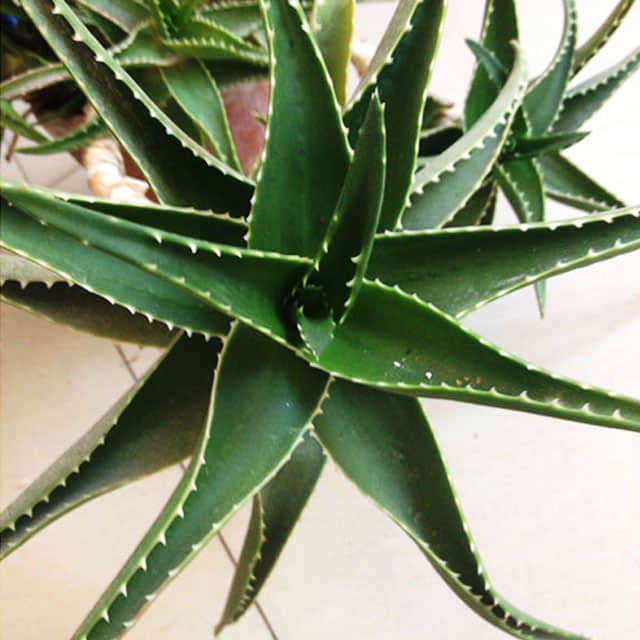
Aloe ferox Brown Leaf Tips
eco Brown Leaf Tips

Aloe ferox – Brown Leaf Tips

Why does your Aloe ferox have brown leaf tips? Diagnose the cause and fix it with our step-by-step guide.

search Possible Causes

error

Low Humidity / Dry Air

Aloe ferox is a succulent that prefers semi-arid conditions; however, extremely dry indoor air can cause the leaf margins and tips to desiccate and turn brown. This is common in heated indoor environments during winter.

Very Common
lightbulb
How to confirm: Check if the browning is limited strictly to the very edges of the leaves and if it coincides with low indoor humidity levels.
build How to fix it
shopping_cart Recommended Products
1 Increase local humidity around the plant by using a pebble tray or a humidifier to prevent further tip desiccation.
2 Lightly mist the surrounding air or use a fine mist spray bottle to provide occasional moisture to the foliage.
3 Trim the dead, brown tips with sterilized shears to improve the plant's appearance and prevent further spread of dryness.
error

Improper Watering (Underwatering)

While drought-tolerant, prolonged periods without water cause the plant to sacrifice its oldest leaves, starting with the tips. The cells lose turgor pressure and die, resulting in crispy brown points.

Very Common
lightbulb
How to confirm: Feel the base of the leaves; if they feel thin or wrinkled along with the brown tips, the plant needs more consistent moisture.
build How to fix it
shopping_cart Recommended Products
1 Check the soil moisture level deep into the pot to confirm the extent of the drought using a moisture meter.
2 Thoroughly soak the soil until water runs out of the drainage holes, ensuring the root ball is fully rehydrated.
3 Trim the crispy brown tips with sterilized shears to improve the plant's appearance and prevent further tissue decay.
warning

Salt or Mineral Buildup

Excessive salts from tap water or over-fertilization can accumulate in the leaf tissues of Aloe ferox. As the plant transpires, these salts concentrate at the leaf extremities, causing chemical burn.

Common
lightbulb
How to confirm: Look for a white, crusty residue on the soil surface or the edges of the pot.
build How to fix it
shopping_cart Recommended Products
1 Flush the soil thoroughly with distilled or rainwater to leach out accumulated mineral salts and prevent further chemical burn.
2 Repot the Aloe ferox in fresh, well-draining potting medium and consider adding perlite to improve drainage and prevent future salt retention.
3 Use a soil moisture meter to ensure you are not overwatering, as excess moisture can exacerbate salt concentration in the root zone.
warning

Root Rot (Overwatering)

Excessive moisture prevents oxygen from reaching the roots, leading to decay. As root function fails, the plant can no longer transport water to the tips, ironically causing them to turn brown and mushy.

Common
lightbulb
How to confirm: Gently lift the plant from its pot to check if the roots are dark, slimy, or emitting an unpleasant odor.
build How to fix it
shopping_cart Recommended Products
1 Immediately remove the plant from its current pot and inspect the roots for any mushy, black, or foul-smelling decay.
2 Prune away all dead or rotting roots using sterilized shears and repot the Aloe ferox in a well-draining cactus or succulent mix containing perlite for aeration.
3 Switch to a more breathable container and use a moisture meter to ensure the soil is completely dry before watering again to prevent future rot.

Other Aloe ferox problems

Your plant might also be experiencing one of these issues:

local_hospital All symptoms eco All plants with brown leaf tips
favorite