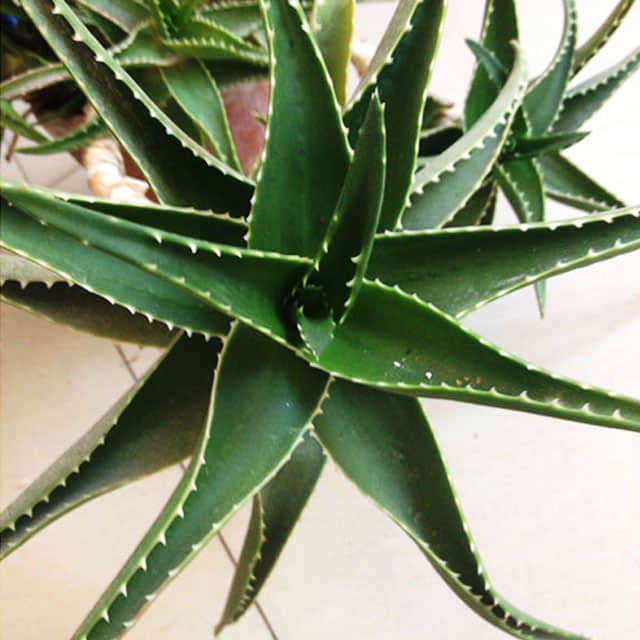
Aloe ferox Tiny Black Flies
eco Tiny Black Flies

Aloe ferox – Tiny Black Flies

Why does your Aloe ferox have tiny black flies? Diagnose the cause and fix it with our step-by-step guide.

search Possible Causes

error

Fungus Gnats (Sciaridae)

The larvae of these flies live in the top layer of substrate, feeding on organic matter and fine root hairs of the Aloe ferox. Adult flies emerge to lay eggs in moist soil, often triggered by overly frequent watering schedules.

Very Common
lightbulb
How to confirm: Set a yellow sticky trap near the base of the plant to confirm the presence of flying adults.
build How to fix it
shopping_cart Recommended Products
1 Reduce watering frequency and allow the top several inches of soil to dry out completely to disrupt the larvae's moist habitat.
2 Deploy yellow sticky traps to capture adult flies and prevent them from laying more eggs in the soil.
3 Apply a biological control or organic insecticide to target the larvae and adults effectively.
warning

Fruit Flies (Drosophilidae)

These flies are attracted to the fermenting sugars found in decaying organic matter or overripe sap if the Aloe ferox has an open wound. They do not live in the soil but hover around the plant looking for moisture and food.

Common
lightbulb
How to confirm: Check the base of the plant for any mushy, rotting leaves that may be emitting a fermented odor.
build How to fix it
shopping_cart Recommended Products
1 Identify and clean any open wounds or decaying organic matter on the plant to remove the primary food source for the flies.
2 Deploy yellow sticky traps near the plant to capture and reduce the adult fly population.
3 Ensure the plant is not sitting in stagnant water or overly moist organic debris, which attracts these pests.
warning

Root Rot secondary infestation

While not the primary cause of flies, underlying root rot in Aloe ferox creates a moist, decaying environment perfect for breeding pests. The black flies are often an indicator that the substrate is staying wet far too long for this succulent species.

Common
lightbulb
How to confirm: Gently lift the plant from its pot to inspect if the roots are dark, slimy, or have a foul smell.
build How to fix it
shopping_cart Recommended Products
1 Immediately remove the plant from its current pot to inspect the roots for mushy, dark, or foul-smelling decay.
2 Prune away all rotten roots using sterilized tools and repot the Aloe in a well-draining, dry succulent mix containing perlite or pumice to prevent further rot.
3 Apply yellow sticky traps to capture the adult black flies and use a moisture meter to ensure the substrate is allowed to dry out completely between waterings.

Other Aloe ferox problems

Your plant might also be experiencing one of these issues:

local_hospital All symptoms eco All plants with tiny black flies
favorite