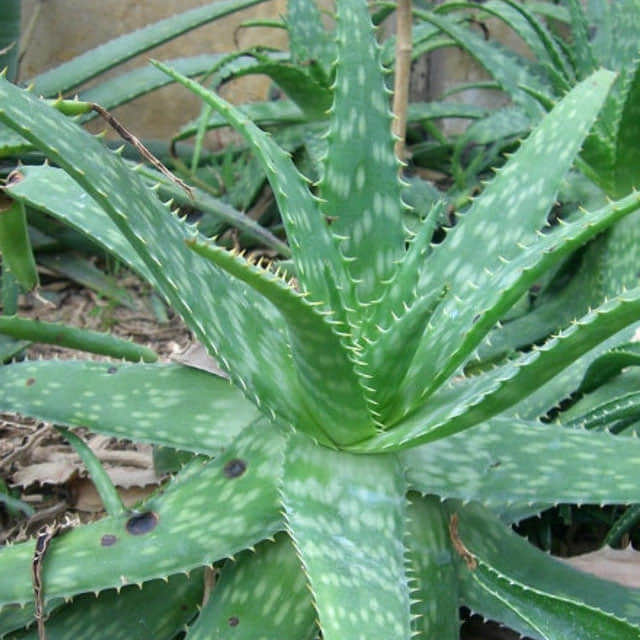
Aloe maculata Sudden Leaf Drop
eco Sudden Leaf Drop

Aloe maculata – Sudden Leaf Drop

Why does your Aloe maculata have sudden leaf drop? Diagnose the cause and fix it with our step-by-step guide.

search Possible Causes

error

Overwatering and Root Rot

Excessive moisture in the substrate causes anaerobic conditions, leading to Phytophthora or Pythium rot. As the roots decay, they can no longer support the plant's water needs, causing the Tiger Aloe to shed leaves rapidly.

Very Common
lightbulb
How to confirm: Gently lift the plant from its pot to check if the roots are dark, slimy, or have a foul odor.
build How to fix it
shopping_cart Recommended Products
1 Immediately remove the plant from its current pot and discard all mushy, blackened, or foul-smelling roots.
2 Repot the Aloe in a well-draining, gritty substrate to ensure oxygen reaches the root zone and prevent future anaerobic conditions.
3 Use a moisture meter to monitor the substrate, ensuring you only water when the soil is completely dry to the touch.
error

Temperature Shock (Cold Stress)

Aloe maculata is a succulent that thrives in warm environments; sudden exposure to temperatures below 50°F (10°C) can trigger a stress response. This physiological shock often results in the rapid abscission of older or damaged leaves.

Very Common
lightbulb
How to confirm: Check if the plant was recently moved near a drafty window or exposed to a cold nighttime temperature drop.
build How to fix it
shopping_cart Recommended Products
1 Immediately move your Aloe maculata to a warm, draft-free location, ensuring temperatures remain consistently above 50°F (10°C).
2 Check the soil moisture with a meter to ensure the cold stress hasn't led to overwatering, as cold, wet soil can cause root rot.
3 If the plant shows signs of recovery, apply a diluted liquid seaweed fertilizer to help boost nutrient uptake and mitigate environmental stress.
warning

Nutrient Deficiency (Nitrogen)

A significant lack of nitrogen prevents the plant from maintaining cell structure and chlorophyll levels. In prolonged deficiency, the Aloe will sacrifice older leaves to redirect nutrients to the central growth point.

Common
lightbulb
How to confirm: Observe if the leaves turning yellow before dropping are specifically the oldest, bottom-most leaves.
build How to fix it
shopping_cart Recommended Products
1 Apply a nitrogen-rich organic fertilizer to replenish essential nutrients and support chlorophyll production.
2 Check the soil moisture levels with a moisture meter to ensure the nitrogen deficiency isn't being exacerbated by overwatering, which can cause root rot.
3 Prune any completely yellowed or mushy leaves that have already begun to drop to prevent fungal growth.
warning

Pest Infestation (Mealybugs)

Small, sap-sucking insects like Mealybugs cluster at the base of the leaves and feed on the plant's fluids. This weakens the leaf attachment points, eventually causing the leaves to detach from the stem.

Common
lightbulb
How to confirm: Inspect the leaf axils and base of the plant for tiny white, cottony clusters.
build How to fix it
shopping_cart Recommended Products
1 Isolate the plant immediately to prevent the spread of mealybugs to other greenery and treat the infestation with an organic insecticide spray.
2 Use a cotton swab dipped in isopropyl alcohol to manually remove visible white, cottony mealybug clusters from the base of the leaves.
3 Check the soil moisture levels to ensure the plant is not also suffering from root rot, which can mimic leaf drop symptoms.

Other Aloe maculata problems

Your plant might also be experiencing one of these issues:

local_hospital All symptoms eco All plants with sudden leaf drop
favorite