Aloe maculata Yellow Leaves
eco Yellow Leaves

Aloe maculata – Yellow Leaves

Why does your Aloe maculata have yellow leaves? Diagnose the cause and fix it with our step-by-step guide.

search Possible Causes

error

Overwatering and Root Rot

Excessive moisture in the substrate prevents oxygen from reaching the roots of Aloe maculata, leading to fungal decay. This physiological stress disrupts nutrient transport, causing the characteristic yellowing of fleshy leaves.

Very Common
lightbulb
How to confirm: Gently squeeze a leaf; if it feels mushy or hollow rather than firm, and the soil is damp deep down, rot is likely.
build How to fix it
shopping_cart Recommended Products
1 Immediately remove the plant from the pot and trim away any mushy, black, or foul-smelling roots caused by rot.
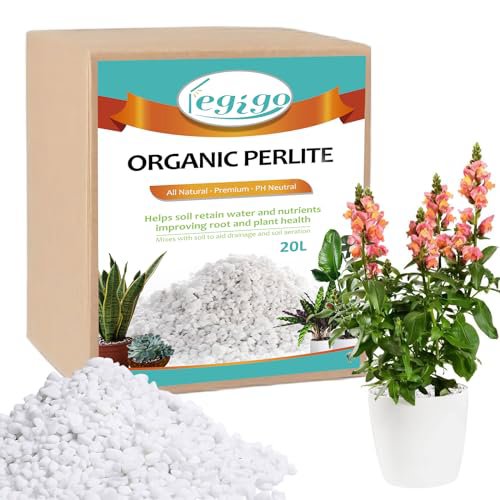
2 Repot the Aloe in a well-draining substrate, such as a mix containing perlite or pumice, to ensure oxygen reaches the roots.
3 Use a moisture meter to monitor the soil and ensure you only water when the substrate is completely dry to prevent future overwatering.
warning

Nutrient Deficiency (Nitrogen)

A lack of nitrogen prevents the plant from producing sufficient chlorophyll for photosynthesis. In Aloe maculata, this typically manifests as a uniform yellowing starting from the older, lower leaves.

Common
lightbulb
How to confirm: Check if the yellowing is progressing from the bottom leaves upward and if you have recently skipped fertilization during the growing season.
build How to fix it
shopping_cart Recommended Products
1 Apply a nitrogen-rich organic fertilizer to boost chlorophyll production and restore green color to the leaves.
2 Check the soil moisture levels with a meter to ensure the nitrogen is being absorbed and not being washed away by overwatering.
3 Ensure the plant is in a well-draining potting medium to prevent root rot, which can also cause yellowing.
warning

Sunburn (Solar Scorch)

While Aloe maculata loves light, sudden exposure to intense, direct afternoon sun through a window can damage leaf tissues. This causes localized yellowing or bleached-looking patches on the surface of the leaves.

Common
lightbulb
How to confirm: Look for dry, papery, or discolored patches specifically on the sides of the plant facing the most intense light source.
build How to fix it
shopping_cart Recommended Products
1 Immediately move your Aloe maculata away from direct, intense afternoon sunlight to a spot with bright, indirect light to prevent further tissue damage.
2 Monitor the plant's hydration levels using a moisture meter to ensure the soil is not drying out too quickly in its new location.
3 If the plant shows signs of stress from the heat, you can use a fine mist to increase local humidity around the leaves.
warning

Temperature Stress (Cold Shock)

Exposure to temperatures below 50°F (10°C) can shock the metabolism of Tiger Aloe. This physiological response often results in a loss of pigment and yellowing of the leaf margins.

Common
lightbulb
How to confirm: Check if the plant has been near a drafty window or in an unheated area during recent cold snaps.
build How to fix it
shopping_cart Recommended Products
1 Immediately move your Aloe maculata to a warmer location, ensuring temperatures remain consistently above 50°F (10°C) to stabilize its metabolism.
2 Monitor the soil moisture closely using a moisture meter to ensure the plant is not being overwatered while in a stressed, dormant state.
3 Avoid applying heavy fertilizers like Grow Big during this recovery period; instead, wait until new, healthy growth appears before providing light nutrition.

Other Aloe maculata problems

Your plant might also be experiencing one of these issues:

local_hospital All symptoms eco All plants with yellow leaves
favorite