Aloe vera Tiny Black Flies
eco Tiny Black Flies

Aloe vera – Tiny Black Flies

Why does your Aloe vera have tiny black flies? Diagnose the cause and fix it with our step-by-step guide.

search Possible Causes

error

Fungus Gnats

The larvae of fungus gnats thrive in the moist, organic-rich topsoil of Aloe vera pots, feeding on decaying plant matter and roots. The presence of tiny black flies is a classic sign of an infestation fueled by overly frequent watering.

Very Common
lightbulb
How to confirm: Perform the 'sticky trap test' by placing yellow sticky cards near the soil surface to see if adult flies are captured.
build How to fix it
shopping_cart Recommended Products
1 Reduce watering frequency and allow the top inch of soil to dry out completely to disrupt the larvae's moist habitat.
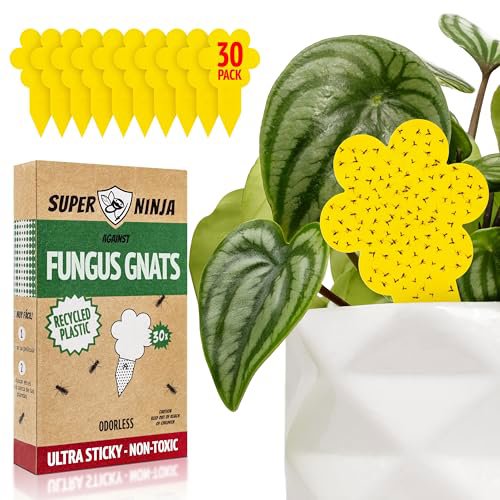
2 Deploy yellow sticky traps to capture the adult flying gnats and prevent further reproduction.
3 Apply a biological control or organic insecticide to target the larvae and adults effectively.
warning

Root Rot (Secondary Attraction)

While root rot is a fungal condition, the decaying, mushy roots of an Aloe vera plant create a perfect breeding ground and food source for various small flies. The black flies are often a symptom of the underlying moisture issue causing the decay.

Common
lightbulb
How to confirm: Gently lift the Aloe vera from its pot to check if the roots are dark, slimy, or emitting an unpleasant odor.
build How to fix it
shopping_cart Recommended Products
1 Inspect the roots for mushy, dark, or foul-smelling decay and prune away any damaged sections using sterilized tools.
2 Repot the Aloe vera in a fresh, well-draining medium like a succulent mix, incorporating perlite to improve aeration and prevent future rot.
3 Deploy yellow sticky traps to capture the adult black flies and reduce the breeding population in the soil.
warning

Sciarid Flies

Similar to fungus gnats, sciarid flies are attracted to high humidity and damp substrates. In Aloe vera, they often congregate around the base of the leaves where moisture tends to linger.

Common
lightbulb
How to confirm: Check if the flies specifically hover around the damp soil surface or the leaf axils during the evening.
build How to fix it
shopping_cart Recommended Products
1 Reduce watering frequency and allow the soil to dry out completely between waterings to eliminate the damp environment these flies need to breed.
2 Deploy yellow sticky traps near the base of the plant to capture adult flies and disrupt their reproductive cycle.
3 Top-dress the soil with a layer of coarse sand or perlite to create a dry barrier that prevents flies from reaching the moist substrate.

Other Aloe vera problems

Your plant might also be experiencing one of these issues:

local_hospital All symptoms eco All plants with tiny black flies
favorite