Aloe vera Yellow Leaves
eco Yellow Leaves

Aloe vera – Yellow Leaves

Why does your Aloe vera have yellow leaves? Diagnose the cause and fix it with our step-by-step guide.

search Possible Causes

error

Overwatering and Root Rot

Excessive moisture in the substrate prevents oxygen from reaching the roots, leading to fungal decay. This is the most common cause of yellowing in Aloe vera, as the leaves absorb water from the decomposing root system.

Very Common
lightbulb
How to confirm: Gently tug on the base of a leaf; if it pulls away easily and feels mushy, root rot is likely present.
build How to fix it
shopping_cart Recommended Products
1 Immediately remove the plant from its current pot and trim away any mushy, black, or foul-smelling roots caused by decay.
2 Repot the Aloe vera in a well-draining substrate, such as a mix containing perlite or pumice, to ensure proper aeration and prevent future rot.
3 Use a moisture meter to monitor the soil, ensuring you only water when the substrate is completely dry to the touch.
warning

Nutrient Deficiency (Nitrogen)

A lack of nitrogen prevents the plant from producing sufficient chlorophyll. In Aloe vera, this typically manifests as a pale yellowing that starts with older, lower leaves and progresses upward.

Common
lightbulb
How to confirm: Observe if the yellowing is specifically affecting the oldest leaves while new growth remains relatively green.
build How to fix it
shopping_cart Recommended Products
1 Apply a nitrogen-rich organic fertilizer to boost chlorophyll production and restore the green color to the leaves.
2 Monitor the soil moisture levels using a moisture meter to ensure the nitrogen is being absorbed effectively without causing root rot.
3 Ensure the Aloe vera is in a well-draining potting medium to prevent nutrient leaching and maintain healthy root systems.
warning

Insufficient Sunlight

While Aloe vera loves bright light, prolonged periods in low-light conditions can lead to a loss of chlorophyll and yellowing. The plant may also become 'leggy' or stretched as it searches for light.

Common
lightbulb
How to confirm: Check if the plant has been moved to a darker corner or if seasonal changes have reduced light intensity near your window.
build How to fix it
shopping_cart Recommended Products
1 Move your Aloe vera to a location that receives bright, indirect sunlight to restore chlorophyll production and prevent leggy growth.
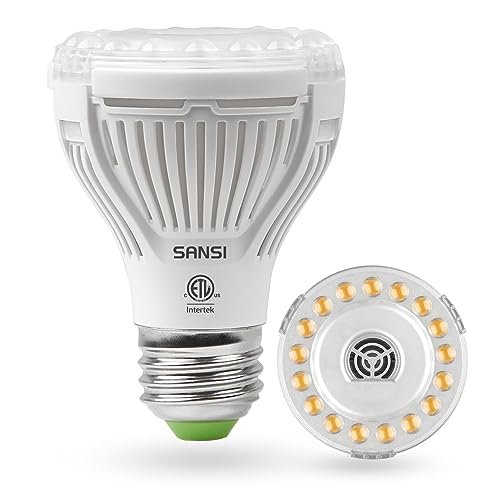
2 Supplement with a full-spectrum grow light if natural light is insufficient, ensuring the light is positioned close enough to provide adequate intensity.
3 Monitor the soil moisture levels closely, as low-light environments slow down evaporation and can lead to root rot if the soil remains too wet.
warning

Temperature Stress (Cold Damage)

Exposure to temperatures below 50°F (10°C) can cause the cell walls in Aloe vera leaves to weaken and turn yellow or translucent. This is a physiological response to cold stress.

Common
lightbulb
How to confirm: Check if the plant has been exposed to drafts from windows or sudden temperature drops during the night.
build How to fix it
shopping_cart Recommended Products
1 Immediately move your Aloe vera to a warmer location, ensuring temperatures remain consistently above 50°F (10°C) to prevent further cell damage.
2 Monitor the soil moisture closely using a moisture meter, as cold temperatures can slow evaporation and increase the risk of root rot.
3 Prune any leaves that have become mushy or translucent to prevent fungal growth and allow the plant to focus energy on new growth.

Other Aloe vera problems

Your plant might also be experiencing one of these issues:

local_hospital All symptoms eco All plants with yellow leaves
favorite