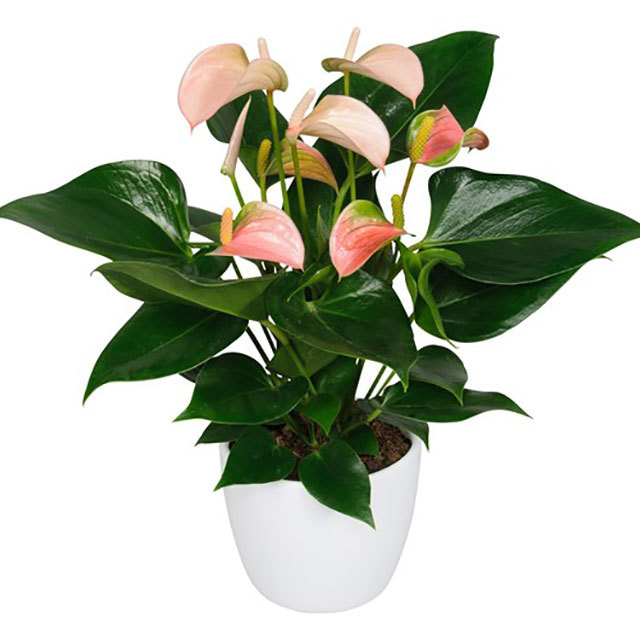
Anthurium andraeanum Joli Peach Fine Webbing
eco Fine Webbing

Anthurium andraeanum Joli Peach – Fine Webbing

Why does your Anthurium andraeanum Joli Peach have fine webbing? Diagnose the cause and fix it with our step-by-step guide.

search Possible Causes

error

Spider Mite Infestation

The presence of fine webbing is a classic sign of Tetranychidae mites, which thrive in the warm, dry conditions often found with Anthuriums. These pests pierce the plant cells to suck out sap, causing the characteristic stippling and eventual yellowing of the fleshy leaves.

Very Common
lightbulb
How to confirm: Hold a white piece of paper under a leaf and tap it sharply to see if tiny moving specks fall onto the paper.
build How to fix it
shopping_cart Recommended Products
1 Immediately spray the plant with an organic insecticide/miticide to eliminate existing spider mite populations and eggs.
2 Increase humidity around the Anthurium by using a pebble tray or mister, as spider mites thrive in dry environments.
3 Wipe the leaves with a damp cloth to physically remove webbing and any remaining mites from the leaf surfaces.
warning

Low Humidity leading to secondary pest attraction

Anthurium 'Joli Peach' requires high ambient humidity; when the air is too dry, the plant becomes stressed and more susceptible to spider mite outbreaks. The webbing itself is a response to the mites exploiting the dry microclimate around the foliage.

Common
lightbulb
How to confirm: Use a hygrometer to check if your environment is consistently below 50% humidity.
build How to fix it
shopping_cart Recommended Products
1 Treat the plant immediately with an organic insecticide to eliminate the spider mites and remove any visible webbing from the foliage.
2 Increase ambient humidity around the Anthurium by using a pebble tray or a fine misting spray bottle to prevent future pest attraction.
3 Monitor soil moisture levels to ensure the plant remains hydrated, as dry soil can further stress the plant and exacerbate pest issues.
warning

Cheesemania/Broad Mite Infestation

While less likely to produce large webs, certain mite species can cause structural distortion and fine silken threads in high-humidity environments. This leads to puckered leaf surfaces and stunted growth on new 'Joli Peach' foliage.

Common
lightbulb
How to confirm: Examine the undersides of new, emerging leaves for any signs of curling, puckering, or discoloration.
build How to fix it
shopping_cart Recommended Products
1 Treat the plant with an organic insecticide/miticide spray to eliminate mites and their eggs.
2 Monitor the plant closely using yellow sticky traps to capture any remaining adult mites or flying pests.
3 Isolate the affected Anthurium from other houseplants to prevent the infestation from spreading.

Other Anthurium andraeanum Joli Peach problems

Your plant might also be experiencing one of these issues:

local_hospital All symptoms eco All plants with fine webbing
favorite



