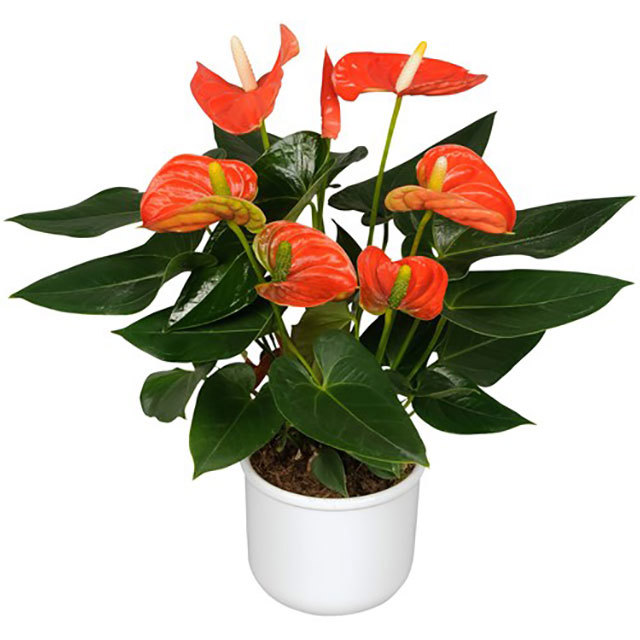
Anthurium andraeanum Sierra Orange Yellow Leaves
eco Yellow Leaves

Anthurium andraeanum Sierra Orange – Yellow Leaves

Why does your Anthurium andraeanum Sierra Orange have yellow leaves? Diagnose the cause and fix it with our step-by-step guide.

search Possible Causes

error

Overwatering and Root Rot

Anthuriums are highly susceptible to waterlogging; excessive moisture in the substrate suffocates the roots, leading to a lack of oxygen and subsequent yellowing of the foliage. This often triggers Pythium or Phytophthora species which decay the root system.

Very Common
lightbulb
How to confirm: Gently lift the plant from its pot to check if the roots are dark brown, mushy, or emit a foul odor.
build How to fix it
shopping_cart Recommended Products
1 Immediately remove the plant from its current pot and inspect the roots; trim away any mushy, black, or foul-smelling roots using sterilized shears.
2 Repot the Anthurium in a fresh, highly aerated substrate to prevent future waterlogging, such as a mix containing perlite or orchid bark.
3 Ensure the new container has excellent drainage and use a moisture meter to monitor the soil, watering only when the top inch of substrate is dry.
error

Nitrogen Deficiency

A lack of available nitrogen prevents the production of chlorophyll, causing older leaves to turn uniformly yellow before progressing to newer growth. This is common in Anthuriums if the potting medium has become depleted over time.

Very Common
lightbulb
How to confirm: Observe if the yellowing starts on the oldest, bottom-most leaves and check your most recent fertilization schedule.
build How to fix it
shopping_cart Recommended Products
1 Apply a nitrogen-rich liquid fertilizer to replenish depleted nutrients in the potting medium.
2 Check the soil moisture levels using a moisture meter to ensure the nitrogen is being effectively delivered to the roots without causing rot.
3 Repot the plant in fresh, nutrient-rich potting soil if the current medium is old and depleted.
warning

Improper Light Intensity

Too much direct sunlight can cause chlorosis or bleaching, while too little light prevents the plant from photosynthesizing efficiently, leading to pale, yellowing leaves. The 'Sierra Orange' cultivar requires bright, indirect light to maintain its vibrant pigmentation.

Common
lightbulb
How to confirm: Check if the yellowed areas coincide with patches of direct sun exposure or if the plant is in a dark corner away from windows.
build How to fix it
shopping_cart Recommended Products
1 Relocate your Anthurium to a spot that receives bright, indirect sunlight, ensuring it is shielded from harsh, direct afternoon rays that cause bleaching.
2 If your indoor space lacks sufficient natural light, supplement with a full-spectrum grow light to support efficient photosynthesis.
3 Monitor the soil moisture levels closely, as improper light often disrupts the plant's water uptake and transpiration rates.
warning

Temperature Fluctuations and Cold Stress

Anthuriums are tropical plants that thrive in temperatures between 65°F and 80°F; exposure to drafts or temperatures below 60°F can cause metabolic shock, manifesting as yellowing leaves.

Common
lightbulb
How to confirm: Verify if the plant is positioned near an air conditioning vent, a drafty window, or a cold exterior wall.
build How to fix it
shopping_cart Recommended Products
1 Relocate your Anthurium to a stable, warm environment away from cold drafts, windows, or air conditioning vents to maintain temperatures between 65°F and 80°F.
2 Monitor the soil moisture closely during temperature shifts, as cold stress can slow evaporation; use a moisture meter to ensure the plant is not overwatered while in a cold state.
3 Apply a microbial-based fertilizer to help the plant recover from metabolic shock and strengthen the root zone.

Other Anthurium andraeanum Sierra Orange problems

Your plant might also be experiencing one of these issues:

local_hospital All symptoms eco All plants with yellow leaves
favorite