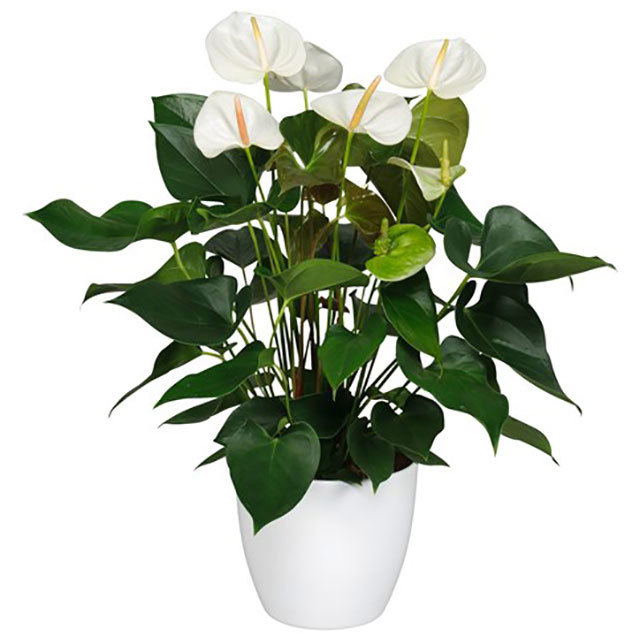
Anthurium andraeanum Sumi Drooping Leaves
eco Drooping Leaves

Anthurium andraeanum Sumi – Drooping Leaves

Why does your Anthurium andraeanum Sumi have drooping leaves? Diagnose the cause and fix it with our step-by-step guide.

search Possible Causes

error

Overwatering and Root Rot

Excessive moisture in the substrate causes oxygen deprivation to the roots, leading to Pythium or Phytophthora infections which prevent water uptake despite wet soil. This is the most frequent cause of sudden drooping in Anthurium Sumi.

Very Common
lightbulb
How to confirm: Gently lift the plant from its pot to check if the roots are brown and mushy instead of firm and white.
build How to fix it
shopping_cart Recommended Products
1 Immediately remove the plant from its current pot and inspect the roots; trim away any mushy, black, or foul-smelling roots using sterilized shears.
2 Repot the Anthurium in a fresh, highly aerated medium to prevent future oxygen deprivation, such as a mix containing Legigo Organic Leca Clay Pebbles or Perlite for improved drainage.
3 Switch to a more breathable container and use a moisture meter to ensure the substrate is allowed to dry out significantly before the next watering.
error

Underwatering / Low Soil Moisture

Anthuriums require consistent humidity and moisture; when the peat-based media dries out completely, the turgor pressure in the leaves drops, causing visible wilting.

Very Common
lightbulb
How to confirm: Stick your finger two inches into the soil to see if it feels bone dry to the touch.
build How to fix it
shopping_cart Recommended Products
1 Immediately check the soil moisture level using a moisture meter to confirm the depth of dehydration.
2 Thoroughly soak the soil with water until it is fully saturated, ensuring the moisture reaches the root ball.
3 To prevent future drying, consider using a self-watering system or adding a moisture-retaining substrate like perlite to the potting mix.
warning

Temperature Stress or Cold Drafts

Anthurium Sumi is a tropical species that is highly sensitive to temperatures below 60°F (15°C). Exposure to cold drafts from windows or AC vents can cause physiological shock and leaf drooping.

Common
lightbulb
How to confirm: Check if the plant is positioned near an external wall, window, or air conditioning vent.
build How to fix it
shopping_cart Recommended Products
1 Immediately move your Anthurium to a warm, stable location away from cold windows, doors, or air conditioning vents to prevent further temperature shock.
2 Maintain a consistent environment between 65°F and 80°F and consider using a pebble tray or humidifier to stabilize the surrounding air temperature.
3 Monitor the soil moisture closely using a moisture meter to ensure the plant isn't also suffering from root issues due to the temperature fluctuations.
warning

Edema (Cellular Rupture)

Rapid fluctuations in soil moisture levels can cause cells to swell and burst due to uncontrolled water uptake, resulting in drooping alongside potential dark spots on leaves.

Common
lightbulb
How to confirm: Observe if the drooping is accompanied by small, water-soaked bumps or blisters on the leaf undersides.
build How to fix it
shopping_cart Recommended Products
1 Stabilize watering by using a moisture meter to ensure the soil remains consistently moist but never waterlogged, preventing the rapid uptake fluctuations that cause cell rupture.
2 Ensure the plant is in a pot with excellent drainage and consider adding perlite to the potting mix to improve aeration and moisture consistency.
3 Maintain a steady environment by avoiding frequent changes in watering schedules and keeping the humidity levels stable.

Other Anthurium andraeanum Sumi problems

Your plant might also be experiencing one of these issues:

local_hospital All symptoms eco All plants with drooping leaves
favorite